
Beyond the Game: How Sport Builds Character, Resilience, and Emotional Intelligence
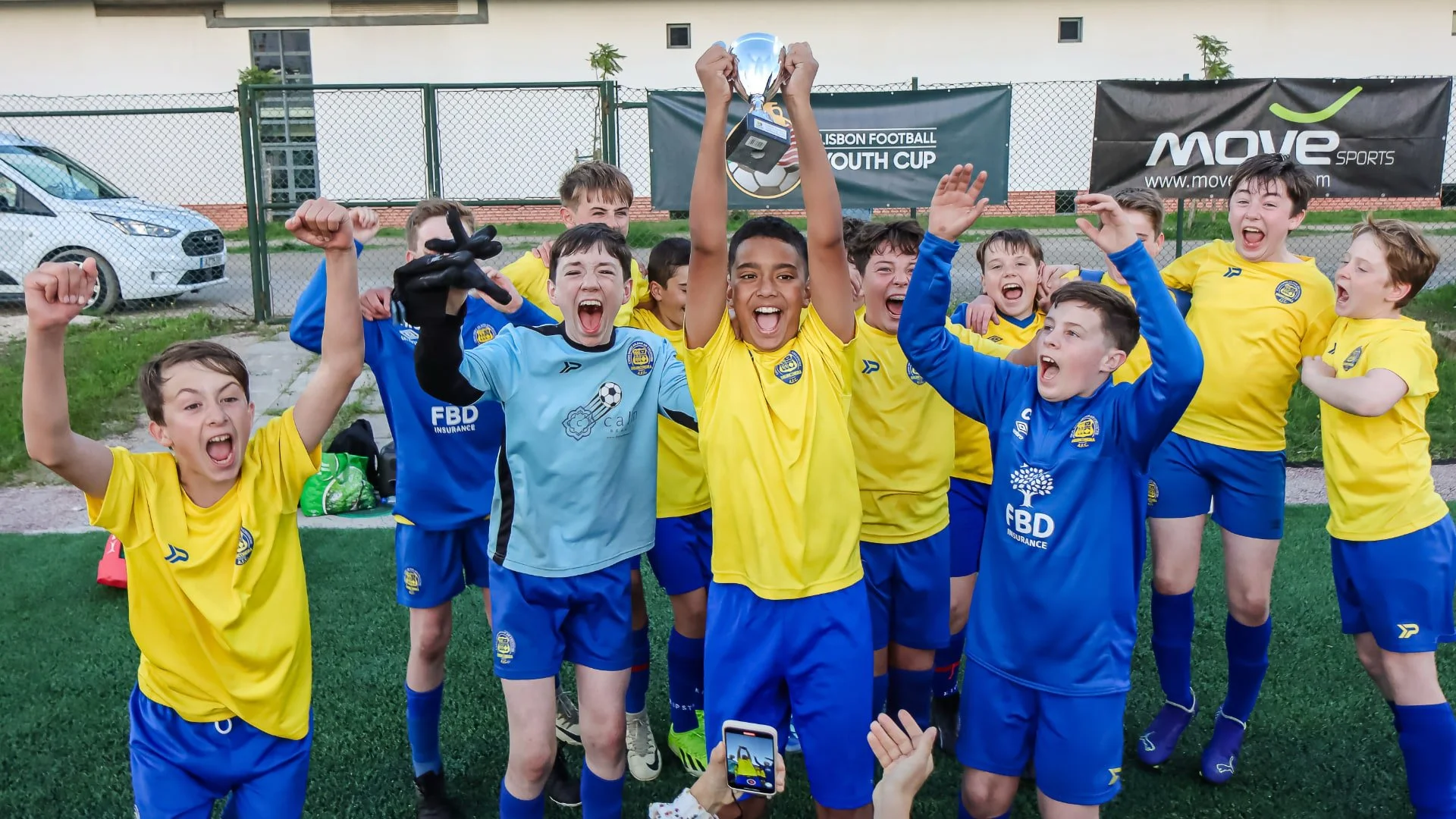
Discover how participating in sports fosters essential life skills such as resilience, teamwork, and emotional regulation, benefiting both youth and adults beyond the playing field.
Introduction
Sport is more than just physical activity; it's a powerful tool for personal development. Engaging in sports cultivates resilience, enhances teamwork abilities, and improves emotional regulation—skills that are invaluable in everyday life. This article explores how these attributes are developed through sports and their lasting impact beyond the game.
Building Resilience Through Sport
Resilience—the capacity to recover from difficulties—is a critical life skill. Sports inherently involve challenges, setbacks, and the need for perseverance. Athletes learn to cope with losses, injuries, and intense competition, which mirrors real-life adversities.
Research indicates that individuals who participate in sports exhibit higher levels of psychological resilience. A study published in the Journal of Clinical Medicine found that sports participation enhances mood, mitigates stress, and fosters psychological resilience through the release of neurotransmitters and endorphins. (Positive Beginnings)
Enhancing Teamwork and Social Skills
Team sports, in particular, are instrumental in developing social competencies. Players must communicate effectively, collaborate towards common goals, and support one another. These interactions build empathy, leadership, and cooperation skills. (Newport Academy)
According to the President’s Council on Sports, Fitness & Nutrition from the U.S., 80% of parents believe that sports help their children learn discipline and dedication, as well as how to get along with others. These social skills are transferable to academic settings and future workplaces. (health.gov)
Developing Emotional Regulation
Emotional regulation—the ability to manage and respond to emotional experiences—is another benefit of sports participation. Athletes often face high-pressure situations requiring them to control their emotions to perform effectively.
A systematic review in the Journal of Clinical and Health Research highlights that effective emotion regulation strategies in sports lead to enhanced focus, motivation, and resilience. These skills contribute to better performance and can be applied in various life contexts. (Positive Beginnings)
Lifelong Benefits and Leadership Development
The advantages of sports extend into adulthood. A study by the Women's Sports Foundation revealed that 69% of women in leadership roles had participated in sports during their youth, suggesting a strong correlation between sports involvement and leadership development. (Parents)
Furthermore, adults who engage in sports report better mental health outcomes, including lower levels of depression and anxiety, and improved life satisfaction. (BioMed Central)
Conclusion
Engaging in sports offers more than physical benefits; it equips individuals with resilience, teamwork, and emotional regulation skills that are essential for personal and professional success. By participating in sports, individuals of all ages can develop character traits that serve them well beyond the playing field.
Note: This article is intended for informational purposes and is based on current research findings.