
How International Sports Events Are Designed: What Teams Rarely See Behind the Scenes
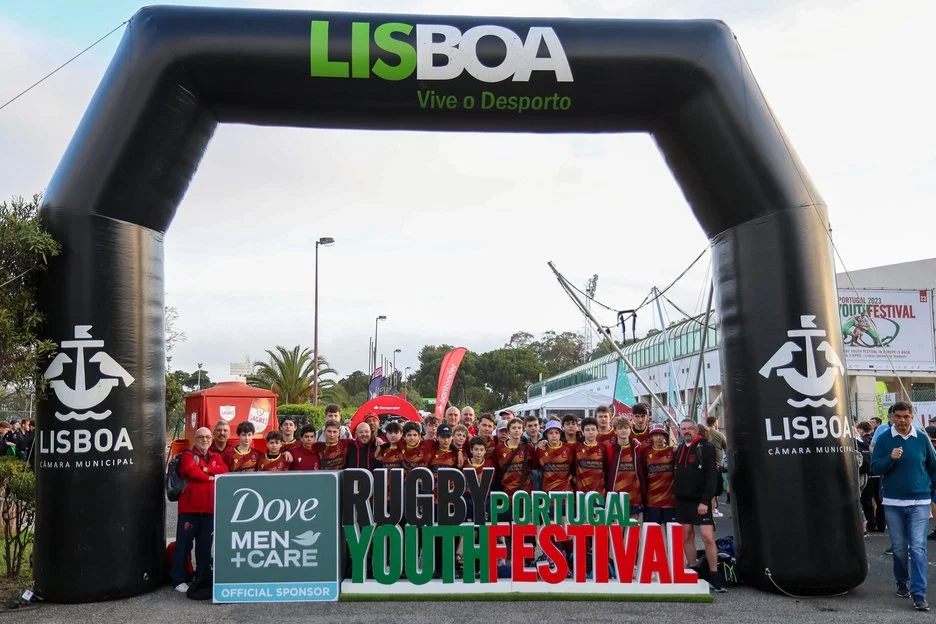
From the outside, an international sports event looks simple. Teams arrive, matches are played, medals are awarded, and photos are taken. But what happens on the field is only the visible outcome of months of planning, coordination and decision-making that most teams never see.
Behind every well-run international tournament or sports experience lies a complex design process. One that balances performance, fairness, logistics, safety, communication, sustainability and local impact. Understanding how these events are built helps teams appreciate why certain structures work so well, and why the quality of organisation matters as much as the competition itself.
Design Starts Long Before the First Team Registers
International sports events are not designed around dates alone. They are shaped by calendars, competitive cycles, school terms, climate patterns and travel realities.
Event planners consider when teams are physically and mentally ready to compete, how travel will affect preparation, and which periods allow schools, clubs and families to commit without unnecessary disruption. These decisions influence match intensity, recovery windows and the overall athlete experience.
Good event design begins with one essential question: when does competition support development, rather than interrupt it?
Competition Is Only One Part of the Experience
Well-designed international events are rarely just about matches. Increasingly, teams look for complete sports tours, where competition is combined with preparation, learning and shared experiences.
This can include structured training sessions, friendly matches at an appropriate level, recovery time and leisure activities that help teams reset mentally and physically. Activities such as surf lessons, cultural visits or team-building moments away from the field play an important role in cohesion and well-being, particularly during intensive periods.
This broader approach is central to how Move Sports designs its international programmes, across tournaments such as the Portugal Rugby Youth Festival, the Lisbon Basketball Youth Cup, the Portugal Volleyball Festival, the Portugal Summer Football Cup, the Lisbon Football Youth Cup, the Portugal Rugby Youth Festival Autumn Series and the Portugal Netball Festival.
The aim is to ensure that teams leave not only better prepared competitively, but also more connected and motivated.
Balancing Competition Levels Is a Strategic Process
Matching teams is not simply about age categories or league level. It requires understanding playing styles, development stages, cultural approaches to sport and seasonal readiness.
Those responsible for competition formats work to create environments where teams are challenged without being overwhelmed. Too much imbalance leads to frustration. Too little challenge limits growth. The right balance supports learning, confidence and long-term engagement, especially in youth sport.
Scheduling, Venues and Logistics Shape Performance
Schedules are not just timetables. They are performance tools. Recovery periods, travel distances, warm-up times, weather conditions and officiating availability all influence how teams perform.
Venue selection goes beyond facilities alone. Accessibility, safety, medical proximity and movement between locations all affect an athlete's focus and energy levels. When these elements are aligned, events feel calmer and more professional.
Behind the scenes, logistics are designed to reduce friction. Accommodation, transport and meal planning are coordinated so that coaches can focus on preparation and decision-making, rather than operational detail.
Communication and Sustainability Are Now Core Elements
Communication plays a central role in the design of international sports events, long before the first match is played. Teams, families and partners increasingly expect clear, consistent and well-timed information that helps them understand not only where to be, but what the experience represents.
From pre-event guides and schedules to on-site information, content capture and post-event storytelling, communication helps shape expectations and extend the life of an event beyond the final whistle. It ensures that participants feel informed, included and connected to the wider purpose of the experience, while also giving teams and families meaningful ways to relive and share it afterwards.
Alongside communication, sustainability has become a core consideration in modern event design. Choices around transport, accommodation, venue use and scheduling are increasingly made with environmental impact in mind. When sustainability is integrated from the outset, international sports events can reduce their footprint while still delivering high-quality, memorable experiences.
The Impact Extends Beyond the Final Whistle
Well-designed international sports events leave a lasting impression. They influence how teams approach future competition, how athletes perceive international travel and how organisations evaluate their development pathways. When the experience is positive, teams are far more likely to return.
Beyond sport itself, these events also contribute to local tourism, hospitality and community engagement, reinforcing the value of thoughtfully designed sports travel.
Why the Design Process Matters
The success of an international sports event is rarely accidental. It is the result of deliberate choices made long before teams arrive.
When design is done well, competition feels fair, experiences feel meaningful, and sport delivers on its promise to challenge, connect and inspire.