
Why Sportsmanship Should Be a Core Value in Youth Sports
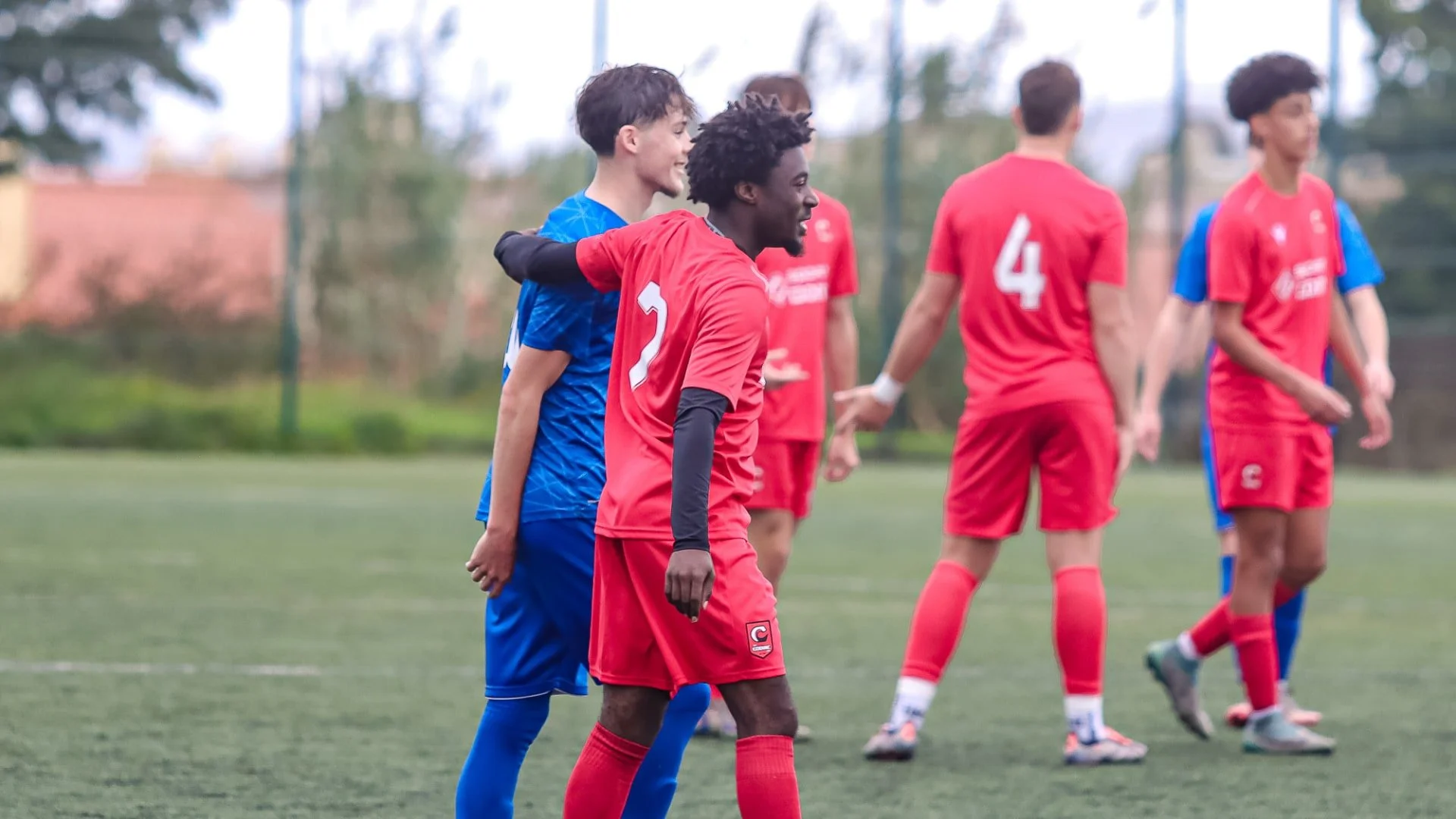
In the competitive world of youth sports, it's easy to become fixated on scores, rankings, and victories. However, instilling the value of sportsmanship in young athletes is paramount. Sportsmanship encompasses respect, fairness, humility, and integrity—qualities that not only enhance athletic performance but also shape character and life skills.
The Essence of Sportsmanship in Youth Sports
Sportsmanship is more than just shaking hands after a game; it's about fostering an environment where respect and fairness prevail. According to Redline Athletics, good sportsmanship teaches young athletes respect, humility, and cooperation, contributing to their growth as well-rounded individuals. (redlineathletics.com)
Emphasizing sportsmanship helps young athletes develop resilience, handle wins and losses gracefully, and understand the importance of teamwork. These lessons extend beyond the playing field, influencing their behavior in school, relationships, and future careers.
The Role of Coaches in Promoting Sportsmanship
Coaches are pivotal in modeling and teaching sportsmanship. By setting clear expectations, reinforcing positive behavior, and addressing unsportsmanlike conduct promptly, coaches can cultivate a team culture rooted in respect and integrity.
By prioritizing character development alongside skill enhancement, coaches can leave a lasting impact on their athletes.
The Influence of Parents on Youth Sportsmanship
Parents play a crucial role in reinforcing sportsmanship values. Their behavior on the sidelines, conversations at home, and reactions to game outcomes significantly influence their children's attitudes.
The National Academy of Athletics highlights the importance of supportive parental involvement, noting that a moderate level of involvement facilitates enjoyment and challenges the child to grow and develop skills. By praising effort over outcome and encouraging respectful behavior, parents can help their children internalize the principles of good sportsmanship. (National Academy of Athletics)
Strategies to Foster Sportsmanship
Lead by Example: Both coaches and parents should model respectful behavior, demonstrating how to handle victories and defeats with grace. (theguardian.com)
Set Clear Expectations: Establish team rules that prioritize respect, fairness, and integrity, ensuring all players understand and adhere to them.
Encourage Empathy: Teach athletes to consider their opponents' perspectives, fostering a sense of camaraderie and mutual respect.
Celebrate Effort and Improvement: Recognize and reward hard work and progress, not just wins, to emphasise the value of personal growth.
Provide Constructive Feedback: Offer guidance that focuses on development and learning opportunities rather than solely on performance outcomes.
The Broader Impact of Sportsmanship
Instilling sportsmanship in youth sports has far-reaching effects. It contributes to a positive sporting environment, reduces instances of conflict, and promotes mental well-being among athletes. Moreover, the values learned through sportsmanship—such as discipline, responsibility, and teamwork—are transferable to various aspects of life.
Organizations like the Positive Coaching Alliance have demonstrated that promoting sportsmanship leads to improved life skills and character development among youth. By embedding these values into the fabric of youth sports, we prepare young athletes to become respectful, resilient, and responsible individuals. (Wikipedia)
Conclusion
Sportsmanship should be at the heart of youth sports. By prioritising respect, fairness, and integrity, we not only enhance the sporting experience but also contribute to the holistic development of young athletes. Coaches and parents, through their guidance and example, have the power to instill these enduring values, shaping not just better athletes but better people.