
Back to Routine: How to Rebuild Balance Between Sport, Work and Everyday Life After the Holidays
Returning from holiday is rarely as simple as opening the calendar again.
After days or weeks with fewer fixed commitments, looser schedules and a slower rhythm, the return to work, school, training and family routines can feel heavier than expected. Emails return, classes restart, training sessions appear on the schedule, matches get closer and suddenly the week feels full again.
For anyone who plays sport, whether as a young athlete, an adult amateur player or someone trying to stay active alongside work, the challenge is to rebuild rhythm in a way that feels realistic and sustainable, instead of trying to restart everything at full speed.
Treat the First Week as a Transition
The first week back is often the hardest because the body and mind are still adjusting. Sleep patterns may be different, concentration may take time to return, and training can feel more demanding than usual.
This does not mean motivation has disappeared. It simply means the routine needs a few days to settle again.
Rather than expecting instant normality, it helps to use the first week as a transition period. Regular wake-up times, planned meals, organised sports kit and a clear training schedule can make the return feel less abrupt.
The aim is to reduce unnecessary stress and make the basics easier to repeat.
Return to Training Gradually
After a break, it is common to either delay training because motivation feels low or return too aggressively in an attempt to compensate.
Neither approach works particularly well.
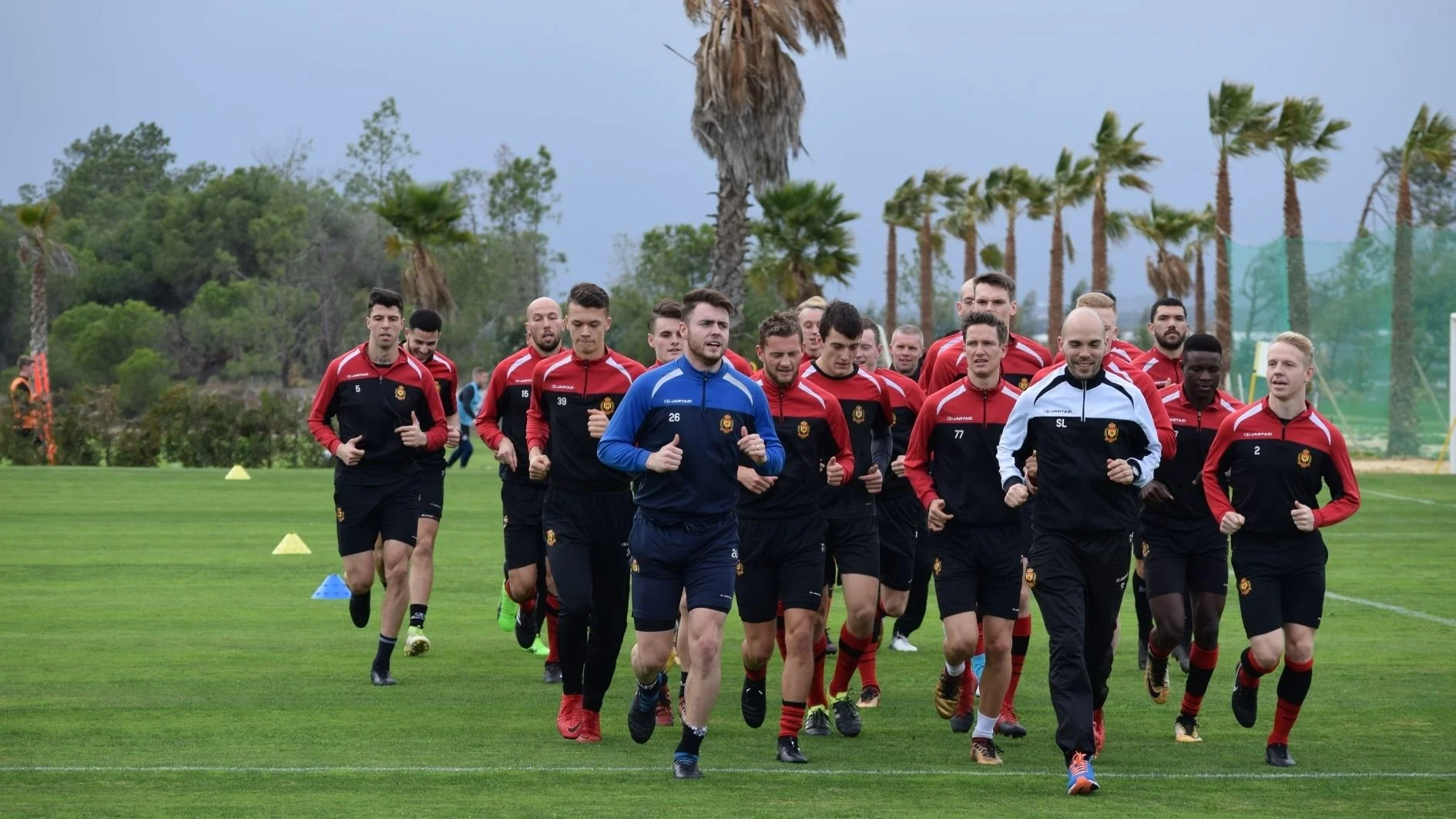
A better return is progressive. The first sessions should help the body reconnect with movement, technical habits, teammates and effort. Intensity can increase, but it should be built rather than forced.
For team sports, this also means rebuilding communication, timing and collective rhythm. Even players who feel physically ready may need a few sessions to reconnect properly with the group.
A strong return creates consistency for the weeks ahead, rather than putting pressure on athletes to prove their fitness immediately.
Make the Week Visible
When work, school, training, transport, meals and social plans all return at once, keeping everything in your head quickly becomes tiring.
A visible weekly plan helps people understand where the pressure points are before they arrive. This can be a digital calendar, a notes app, a family schedule or a simple written plan.
The important thing is to see the full week together: work hours, school commitments, training sessions, match days, travel time, deadlines and rest.
For adults balancing sport with work, this is especially useful. Training after a long day becomes easier when meals, kit, transport and recovery are not being improvised at the last minute.
Protect Energy, Not Just Time
Having time to train is not always the same as having energy to train well.
After the holidays, it is easy to fill every available space in the calendar. But a sustainable routine needs sleep, food and recovery built into it. Poor sleep affects concentration, mood, motivation and performance. Unplanned meals can make training feel harder than it needs to.
This does not require a perfect lifestyle. Practical habits are usually more useful: preparing kit the night before, having simple food options ready for training days, drinking enough water and leaving some space in the week to recover.
A good routine is one people can actually maintain, even when the weeks become busy.
Keep Sport Connected to Real Life
Sport should not be treated as completely separate from work, school or family life.
Training can help people manage stress, disconnect from screens and stay physically and mentally balanced. Team sport can also provide social contact and a sense of structure at a time when many routines become individual and screen-based.
At the same time, sport needs to fit into real life. A student facing exams, an adult with a demanding work period or a parent managing family responsibilities may need to adjust intensity or expectations for a short period.
That kind of adjustment can help people stay committed over time, instead of dropping the routine completely when life becomes more demanding.
Teams Need to Regroup Too
The return after holidays is also a collective process.
Players may come back with different fitness levels, new members may join and coaches may start introducing goals for the season ahead. Clear communication is important during this period.
Training schedules, match dates, arrival times, equipment needs and expectations should be shared early. When people know what is expected, the return feels calmer and the group can settle faster.
Standards matter, but so does patience. The first weeks are a chance to reconnect the team before the season becomes more demanding.
A Simple Post-Holiday Reset
The return to routine does not need to be complicated. A few practical decisions can make a real difference:
Set regular sleep and wake-up times again.
Plan the week before it starts.
Prepare work, school and sports bags the night before.
Keep meals simple and realistic on training days.
Build training intensity gradually.
Leave space for recovery.
Communicate early when work, school or family pressure affects availability.
The return from holidays can feel like a loss of freedom, but it can also be a useful reset. It is a chance to notice what was not working before, adjust small habits and create a rhythm that supports both sport and everyday life.
A good routine should help people feel more prepared, more balanced and more able to keep going when the weeks become busy.