
The Positive Impact of Sport on Society
Sport is often discussed through results, trophies, records and performance. Those elements matter, because competition is part of what makes sport exciting. But the real impact of sport goes much further than what happens during a match, a race or a tournament.
At its best, sport shapes people, strengthens communities and creates opportunities for connection across different backgrounds, ages and cultures. It can improve health, teach values, support inclusion and bring people together around a shared experience.
That is why sport continues to hold such an important place in society. It is not only entertainment. It is a practical and powerful way of building healthier, more connected and more active communities.
Sport Supports Physical and Mental Wellbeing
One of the most direct benefits of sport is its impact on health.
Regular physical activity helps people stay active, improve fitness and reduce the risk of several long-term health problems. But the benefits are not only physical. Sport also plays an important role in mental wellbeing, helping people manage stress, improve mood, build confidence and create routine.
This matters in modern society, where many people spend long hours sitting, working through screens or managing busy schedules with limited time for movement. Sport gives people a reason to move with purpose. Whether through team sports, running, swimming, cycling or recreational activity, participation can make physical activity feel more enjoyable and sustainable.
For children and young people, sport helps build healthy habits early. For adults, it can become a way to stay active, social and mentally balanced. For older participants, it can support mobility, independence and quality of life.
In all cases, sport creates a link between movement and everyday wellbeing.
Sport Teaches Values That Extend Beyond the Game
Sport is also one of the most effective environments for learning values in a practical way.
Respect, discipline, teamwork, resilience, fairness and responsibility are not only taught through speeches or classroom discussions. They are learned through real situations: accepting a referee’s decision, helping a teammate after a mistake, preparing properly for a match, dealing with defeat or winning with humility.
These experiences stay with people because they are lived, not just explained.
A young athlete may learn that effort matters even when the result does not go their way. A team may understand that communication is essential when pressure rises. A player may realise that talent alone is not enough without commitment and reliability.
These lessons are valuable because they transfer into other areas of life. The habits developed through sport can influence how people study, work, lead, cooperate and respond to challenges.
In that sense, sport is not separate from personal development. It is often one of its strongest teachers.
Sport Creates Belonging and Social Connection
One of sport’s greatest strengths is its ability to bring people together.
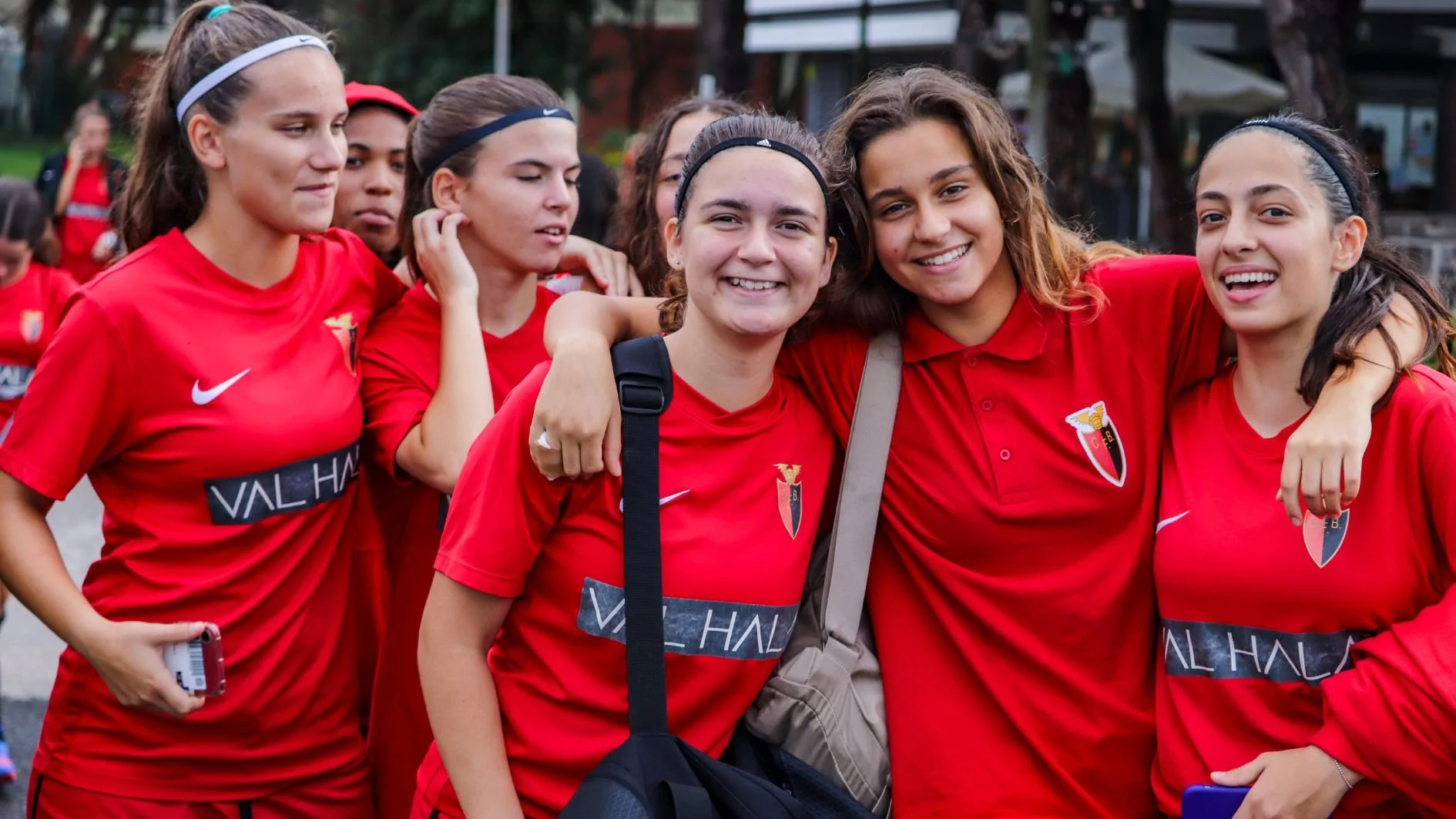
In a team, people learn to depend on one another. In a club, families and communities gather around a shared identity. At tournaments and sporting events, people from different places meet, compete and often remain connected long after the final whistle.
This sense of belonging is increasingly important.
Many parts of modern life have become more individual. People work remotely, communicate through screens and often experience fewer regular spaces for face-to-face connection. Sport offers the opposite: a reason to be present, to contribute and to share something with others.
The social value of sport is visible in small moments as much as in major events. It appears in a child feeling part of a team for the first time, in parents meeting on the sidelines, in adult players returning to sport after years away, or in international teams discovering common ground despite speaking different languages.
Sport creates community because it gives people something to do together.
Sport Can Support Inclusion
Sport is not automatically inclusive. Access, cost, facilities, representation and social barriers can still limit participation. But when sport is organised with intention, it can become a powerful platform for inclusion.
It can bring together people of different ages, genders, nationalities, abilities and backgrounds. It can create environments where people are recognised for their effort, contribution and presence, rather than only for where they come from or what they do outside the sporting context.
Inclusive sport is especially important for young people. It can help build confidence, social skills and a sense of identity. For communities, it can create shared spaces where difference becomes less distant and more familiar.
This is one of the reasons grassroots sport, school sport, adapted sport and community sports projects matter so much. They create opportunities for participation, not only for those already seen as talented, but for anyone who can benefit from being active and connected.
The value of sport grows when more people are able to take part.
Sport Strengthens Communities and Local Economies
The positive impact of sport is also visible at community level.
Local clubs, tournaments, sports events and training programmes create activity around venues, schools, municipalities, hotels, restaurants, transport services and local suppliers. They bring people into shared spaces and help generate movement within local economies.
This is particularly clear in sports tourism. When teams travel for tournaments, training camps or sports tours, the sporting experience becomes part of a wider economic and social ecosystem. Participants do not only play matches or attend sessions. They stay in accommodation, visit destinations, use local services and interact with the communities that welcome them.
For destinations, sport can help attract visitors in a meaningful way. For participants, travel through sport often creates a deeper connection with a place because the experience is active, social and emotionally memorable.
This is where sport becomes more than an event. It becomes a bridge between people and places.
Athletes and Events Can Inspire Change
Sport also has the power to inspire.
Athletes often become role models because people see in them qualities they admire: courage, discipline, persistence, leadership or generosity. Their influence can reach far beyond performance, especially when they use their visibility to support causes, challenge prejudice or encourage healthier lifestyles.
Events can have a similar effect. A tournament, race or festival can promote inclusion, sustainability, solidarity or community engagement when these values are built into the experience. The impact may begin with sport, but it can extend into awareness, behaviour and social responsibility.
This does not mean every sporting event changes society on its own. The impact depends on intention, organisation and follow-through. But sport has a unique advantage: it attracts emotion and attention. When used well, that attention can support something positive.
The Role of Organisations in Creating Meaningful Sporting Experiences
The positive impact of sport does not happen by chance.
It depends on coaches, clubs, schools, municipalities, federations, families, volunteers, sponsors, organisers and participants. Each plays a role in shaping the environment around sport.
At Move Sports, this is part of the work behind international tournaments, sports tours and training camps. The objective is not only to create well-organised sporting moments, but to build experiences where people can compete, travel, connect and grow through sport.
When teams from different countries meet in Portugal, the result is more than a fixture list. Young athletes gain international exposure. Coaches exchange ideas. Families discover new places. Participants experience sport as a space for learning, connection and shared memory.
That is where the wider value of sport becomes visible.
More Than a Game
Sport will always be about competition. Results will always matter, and the desire to win is part of what gives sport its energy.
But sport’s importance to society cannot be measured only by scoreboards.
It is found in the habits it builds, the confidence it creates, the values it teaches and the communities it strengthens. It is visible in healthier lives, stronger relationships, more inclusive spaces and shared experiences that stay with people long after the event itself has ended.
The positive impact of sport lies in its ability to bring movement, meaning and connection into people’s lives.
That is why sport remains one of the most powerful social forces we have.
Not because it solves everything.
But because, when organised with purpose, it gives people something valuable to share.