
How Sport Creates Temporary Communities
One of the most remarkable things about sport has very little to do with the competition itself.
It happens at tournaments, sports tours, championships and events all over the world. Hundreds of people arrive from different places, many of them complete strangers. They may speak different languages, come from different cultures and support different teams. Yet within a surprisingly short period of time, a genuine sense of connection begins to emerge.
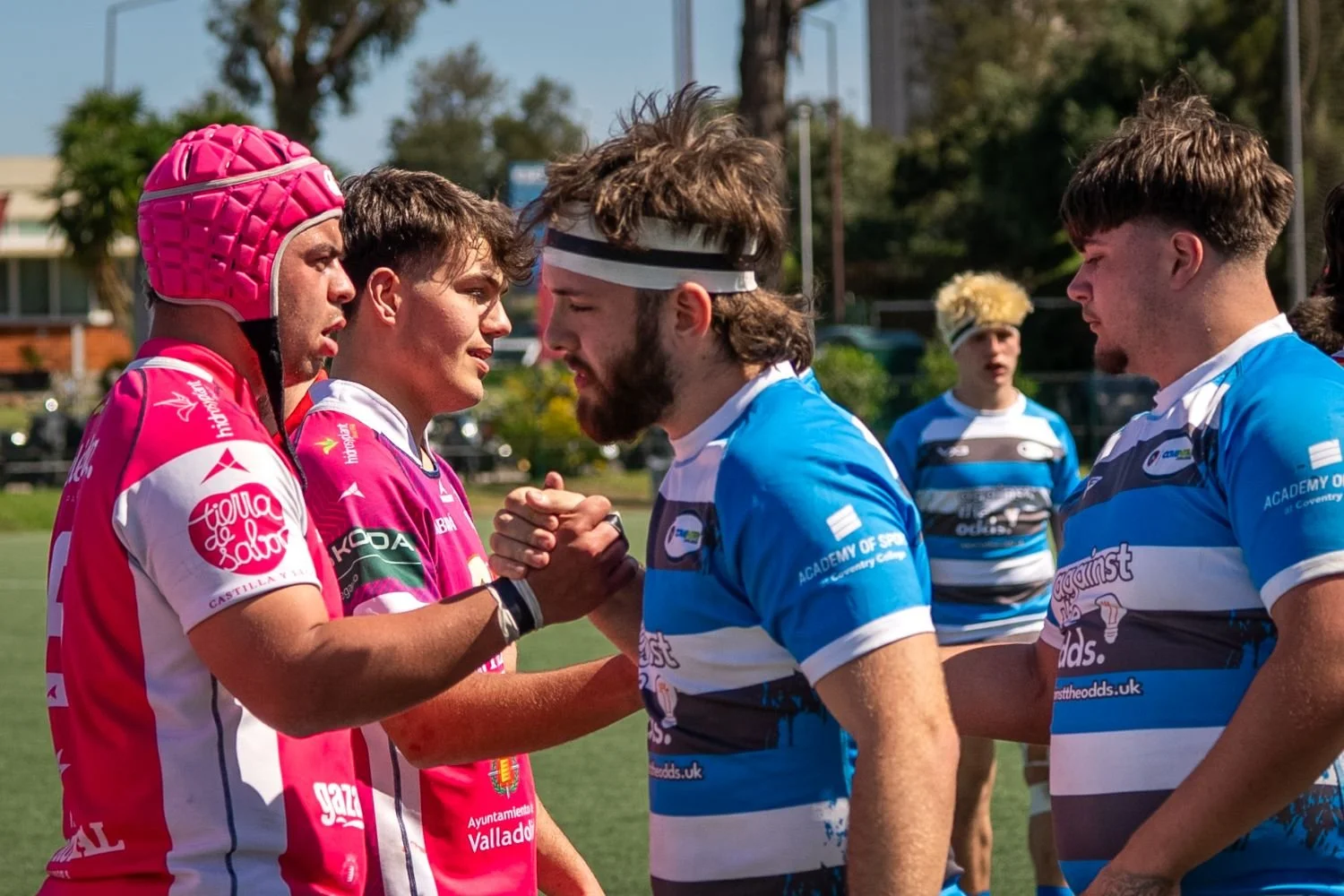
By the end of a weekend, players are following opponents on social media. Coaches are exchanging ideas and contacts. Parents are sharing stories about their children's sporting journeys. People who had never met before are already talking about seeing each other again at next year's event.
The question is: why does this happen so quickly in sport?
A Shared Purpose Changes Everything
Building relationships normally takes time.
In everyday life, people gradually discover what they have in common. Conversations begin cautiously. Trust develops slowly. Shared experiences accumulate over months or years.
Sport accelerates this process because much of the common ground already exists before people even meet.
Everyone is there for a reason they understand instinctively. They know what preparation feels like. They understand the emotions that come with competition. They recognise the excitement before a match and the disappointment that can follow a difficult result.
This shared understanding creates an immediate connection.
A coach from another country may have a completely different background, but many of the challenges they face are familiar. A parent watching from the sidelines may have travelled thousands of kilometres, yet their experience is often remarkably similar to that of parents from the host country.
Sport provides a common language long before people exchange their first words.
Why Tournaments Feel Different
This effect becomes particularly visible at multi-day tournaments and sports tours.
Unlike a single match, tournaments create an environment where people spend extended periods of time together. The competition is important, but it is only one part of the experience.
Teams eat in the same restaurants. They stay in the same hotels. They watch each other's matches. They attend social activities and award presentations. Between games, players and coaches find themselves sharing the same spaces, often with no particular agenda other than waiting for the next fixture.
These repeated interactions create familiarity.
What begins as simple recognition gradually becomes conversation, and conversation often becomes connection.
By the second day of a tournament, the atmosphere frequently feels very different from the first. Faces become familiar. Names become known. The event starts to feel less like a gathering of separate teams and more like a shared experience.
The Compression of Time
Perhaps the most interesting aspect of these temporary sporting communities is how quickly they form.
Part of the explanation lies in the intensity of the experience.
During a tournament weekend, participants often spend more meaningful time together than they might spend with colleagues, classmates or acquaintances over several months.
They travel together, compete together, solve problems together and experience a wide range of emotions within a very short period.
Psychologists often point to shared experiences as one of the fastest ways to build social bonds. Sport creates those experiences naturally.
A dramatic match. An unexpected comeback. A delayed flight. A shared meal after a long day. A moment of celebration. A moment of disappointment.
These experiences create stories, and stories create connection.
It is why someone met during a three-day tournament can sometimes feel more familiar than someone seen casually for years.
Why These Communities Matter
In a world that increasingly happens through screens, sport continues to create opportunities for people to connect in person.
Not through algorithms or online groups.
Through shared experience.
The community that forms during a tournament may be temporary, but that does not make it insignificant.
In many ways, its temporary nature is precisely what gives it value.
Everyone understands that the moment is limited. The final whistle will eventually blow. The venue will empty. The teams will return home.
And because of that, people tend to be more present.
They appreciate the experience while it is happening.
The International Dimension
International tournaments add another layer to this phenomenon.
When people travel abroad for sport, they are not only exposed to different opponents. They are exposed to different cultures, perspectives and ways of experiencing the game.
Young athletes often discover that players from other countries are not as different as they imagined. Coaches gain insights from colleagues working in entirely different systems. Families experience destinations they may never otherwise have visited.
At events organised by Move Sports, this is something we see regularly.
Teams arrive focused on competition, but the experience quickly expands beyond the pitch. Players exchange shirts and social media accounts. Coaches continue conversations long after the tournament has ended. Families return year after year and recognise familiar faces from previous editions.
What starts as a sporting event often becomes something closer to a recurring international community.
The Lasting Impact of Something Temporary
Most tournaments eventually come to an end.
The fixtures are completed. The trophies are awarded. The teams return home.
Yet the connections often remain.
Not every conversation turns into a friendship, and not every encounter becomes a lasting relationship. But many do.
A player continues following the progress of a team they met abroad. A coach reaches out to a contact made during a tournament. Families arrange to meet again at another event the following season.
The community itself may have been temporary, but its effects are often surprisingly durable.
Perhaps that is one of the reasons sport continues to bring people together so effectively.
People arrive because they want to compete.
They leave having experienced something more.
Not simply a tournament, but a sense of belonging to a community that existed for only a few days, yet remains memorable long after the event itself has ended.