
The Most Underrated Skill in Team Sport: Adaptability
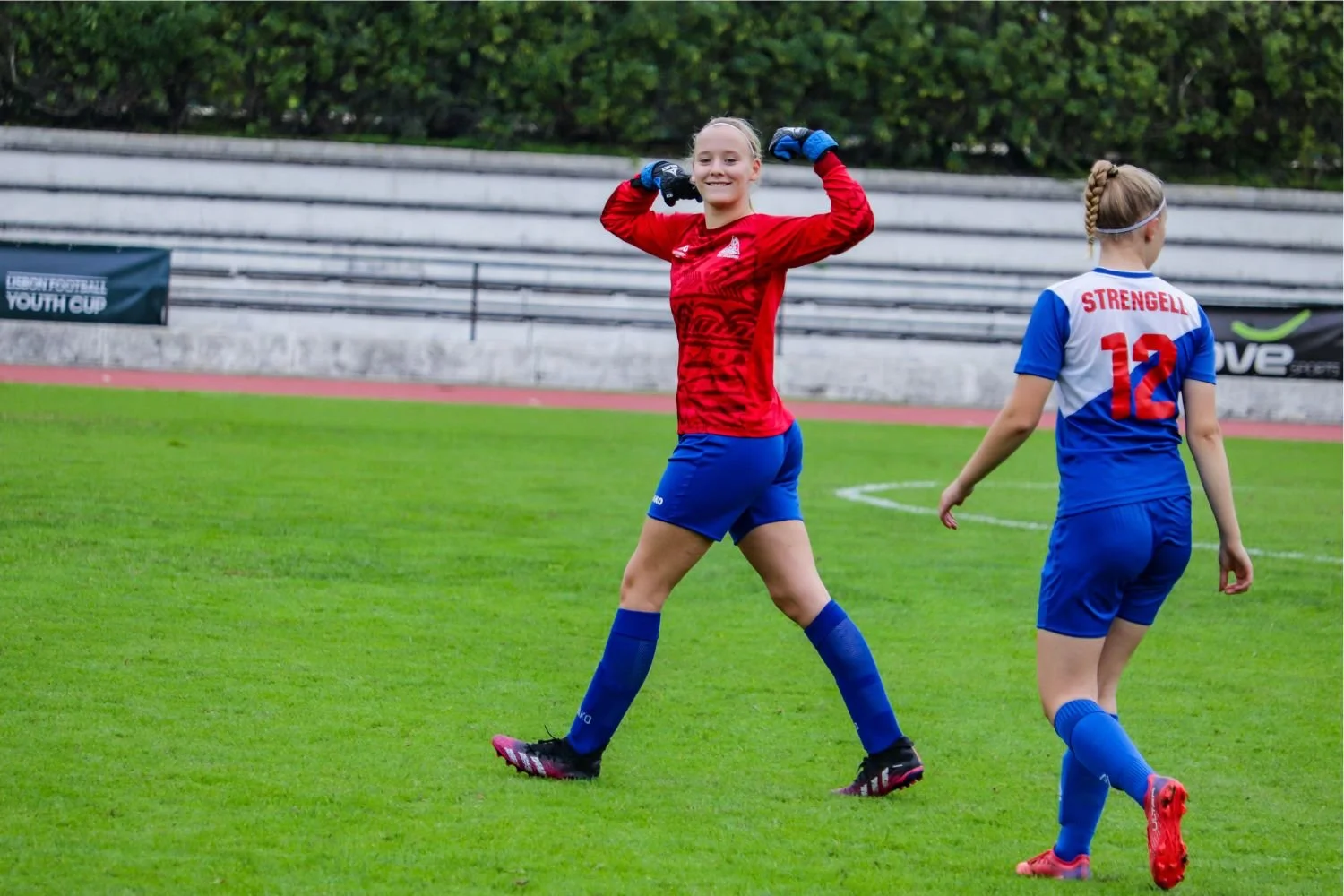
When people talk about successful teams, the conversation usually focuses on talent.
Technical quality. Physical preparation. Tactical organisation. Mentality. Leadership.
All of these matter. Yet there is another quality that often separates good teams from great ones, and it rarely receives the same attention.
Adaptability.
The ability to adjust, learn and perform in unfamiliar situations is becoming increasingly important in modern sport. In a world where athletes compete against opponents from different regions, countries and cultures, adaptability is no longer simply a useful trait. It is one of the most valuable skills an athlete can develop.
And unlike technical skills, adaptability is often learned through experience rather than training alone.
Sport Is Constantly Changing
One of the reasons adaptability matters so much is that sport rarely stays the same.
Opponents evolve. Tactics evolve. Competitions evolve.
Even within a single season, athletes are asked to perform in different environments, against different playing styles and under different circumstances.
The players who thrive are not always the strongest or fastest. Often, they are the ones who can process new information quickly and adjust their behaviour accordingly.
A defender who can adapt to different attacking profiles. A rugby player who quickly understands a referee’s interpretation of the game. A coach who modifies a game plan based on an unexpected challenge.
Adaptability allows talent to remain effective when circumstances change.
Why Familiarity Can Sometimes Limit Growth
There is comfort in routine.
Training with the same teammates, facing familiar opponents and competing within the same environment creates stability. Stability is important, particularly during athlete development.
However, growth often happens when athletes are exposed to something different.
New opponents force players to think differently. New environments require them to communicate differently. New challenges encourage them to find solutions they may never have needed before.
This is one reason why coaches often value experiences outside regular competition structures.
The unfamiliar creates opportunities for learning.
Learning Through Different Styles of Play
One of the most fascinating aspects of international sport is the variety it brings.
Different countries often develop different sporting identities. The way a football team approaches possession, the tempo at which a rugby side plays or the tactical priorities of a basketball programme can vary considerably from one place to another.
When athletes are exposed to these differences, they learn to read the game in broader ways.
Instead of relying solely on familiar patterns, they begin to recognise that there are multiple solutions to the same sporting problem.
This flexibility can make athletes more intelligent, more creative and ultimately more effective competitors.
Adaptability Beyond the Pitch
What makes adaptability particularly valuable is that it extends far beyond sport itself.
Athletes who learn to adapt in sporting environments often develop skills that help them elsewhere in life.
They become more comfortable with uncertainty. More confident when facing new situations. More capable of communicating with different people and operating outside their comfort zones.
In many respects, adaptability is not just a sporting skill.
It is a life skill.
And sport provides an unusually powerful environment in which to develop it.
Why International Experiences Accelerate Adaptability
Few environments encourage adaptability more effectively than international tournaments and sports tours.
Unlike regular domestic competition, international experiences place athletes in situations that feel both exciting and unfamiliar.
They meet teams from different countries.
They encounter new styles of play.
They experience different sporting cultures.
They interact with people whose backgrounds and perspectives may be very different from their own.
Rather than being obstacles, these differences become opportunities.
Athletes learn how to adjust, communicate and perform in environments that are constantly presenting new experiences.
At events organised by Move Sports, this process is visible time and time again. Teams arrive focused on competition, but often leave with something more. They return home having experienced different cultures, built friendships across borders and developed a greater understanding of the sport they play.
The matches matter. The results matter.
But the ability to adapt to new situations, new people and new challenges is often one of the most valuable things athletes take away from the experience.
The Teams That Grow the Most
The strongest teams are not always the ones with the most talent.
They are often the ones who continue learning.
Teams that remain curious. Teams that embrace new experiences. Teams that see unfamiliar situations not as problems to solve, but as opportunities to improve.
Adaptability creates resilience. It encourages learning. It builds confidence.
Most importantly, it prepares athletes for a sporting world that is becoming increasingly connected and international.
Because in modern team sport, success is not only about performing well when everything feels familiar.
It is about continuing to perform when the environment changes, the challenge is different, and the opportunity to learn is right in front of you.
And that may be the most underrated skill of all.