
The Hidden Role of Parents in Youth Sport
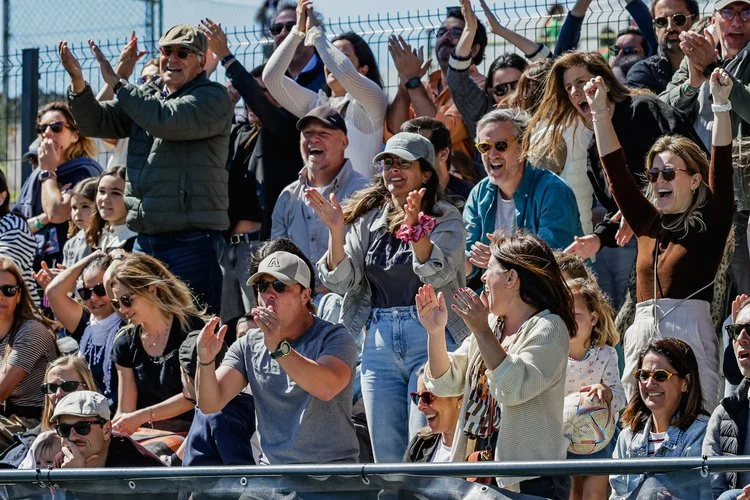
Youth sport is often discussed through the lens of athletes, coaches and competitions.
We analyse performances, training methods, tactical systems and development pathways. We talk about confidence, pressure, mentality and progression. Yet behind almost every young athlete, there is another figure quietly shaping the experience from the background.
The parent.
In many cases, parents are the invisible structure holding youth sport together. They organise schedules, drive long distances, adjust family routines, manage costs, provide emotional support and remain present through victories, defeats, injuries and uncertainty.
Their influence is enormous.
And yet, it is also one of the most delicate balances in modern youth sport.
Between Support and Pressure
Few roles in sport are more emotionally complex than being the parent of a young athlete.
Parents naturally want the best for their children. They want them to enjoy the experience, improve, feel confident and succeed. But because sport is emotional by nature, support can sometimes unintentionally become pressure.
The line between encouragement and expectation is often very thin.
A simple post-match conversation can shape how a young athlete processes performance. Questions intended as support can sometimes feel like evaluation. Reactions from the sidelines can influence confidence more than parents realise.
This does not usually come from bad intentions. In fact, it often comes from deep emotional investment.
Parents experience the journey alongside their children. They celebrate victories, absorb disappointments and dedicate significant time and energy to helping make the experience possible.
That emotional closeness is part of what makes youth sport so powerful, but it is also what makes balance so important.
The Emotional Weight Parents Carry
What is sometimes overlooked is how emotionally demanding youth sport can also be for parents themselves.
Parents frequently invest years into supporting a sporting journey without any guarantees. They dedicate weekends, holidays and finances to an activity where outcomes are uncertain, and progression is never linear.
They learn to navigate injuries, frustration, selection decisions and moments where confidence disappears. They also carry the challenge of knowing when to intervene and when to step back.
In many ways, parents develop alongside the athlete.
The experience requires patience, emotional intelligence and adaptability, especially during adolescence, when identity, confidence and performance often fluctuate simultaneously.
When Parents Help Teams Thrive
The healthiest sporting environments are rarely built only by coaches and athletes.
Strong parental culture matters enormously.
When parents create supportive, respectful and balanced environments, teams tend to function better collectively. Coaches communicate more effectively. Athletes feel safer emotionally. Pressure becomes more manageable.
This does not mean removing ambition or competitiveness. Young athletes are capable of handling challenges and high standards. But they generally perform best when they feel supported rather than constantly evaluated.
The most positive parental presence in youth sport is often the least performative one. Quiet consistency. Emotional availability. Perspective after difficult moments.
Sometimes, the most valuable thing a parent can offer after a match is not analysis, but calmness.
The Parent Experience at International Environments
This dynamic becomes even more visible during international tournaments and sports tours.
At events organised by Move Sports, it is common to welcome teams travelling from different countries, many accompanied by parents and family members. And we’ve seen that for young athletes, especially those travelling abroad for the first time, the presence of family often provides reassurance, stability and emotional security in an unfamiliar environment.
For many parents, these events represent something more than simply watching matches.
They become shared family experiences.
Parents support their children throughout the competition, but they also experience the destination itself alongside them. Between matches, many families explore the host city, discover local culture, enjoy restaurants, beaches or sightseeing activities and turn the sporting trip into something broader than the tournament alone.
This dual experience is one of the reasons international youth tournaments and sports tours often become so memorable. For young players, the event is associated not only with sport, but also with travel, discovery and shared family moments.
Sport Becomes a Family Memory
One of the reasons youth sport leaves such a lasting impact is that it is rarely experienced individually.
Long after results are forgotten, families often remember the journeys themselves:
early morning departures
hotel breakfasts before matches
conversations during long bus rides
walking through unfamiliar cities together
watching young athletes grow in confidence year after year
International tournaments and sports tours amplify these memories because they combine sport with shared experience.
For many parents, watching their child compete abroad is not only a proud moment but also a reminder of how quickly these years pass.
Finding the Right Balance
There is no perfect formula for parenting in sport.
Every athlete is different. Every family dynamic is different. Every stage of development brings new challenges.
But perhaps the healthiest environments are those where sport remains something that adds to a young person’s life rather than consuming it entirely.
Where ambition exists alongside enjoyment.
Where support matters more than pressure.
Where development matters as much as results.
And where families are allowed to experience the journey together, not only the outcome.
Because behind almost every young athlete stepping onto an international pitch, court or field, there is usually someone in the stands who helped make that moment possible long before the match even began.