
The Hidden Impact of Sports Events on Local Communities and Tourism
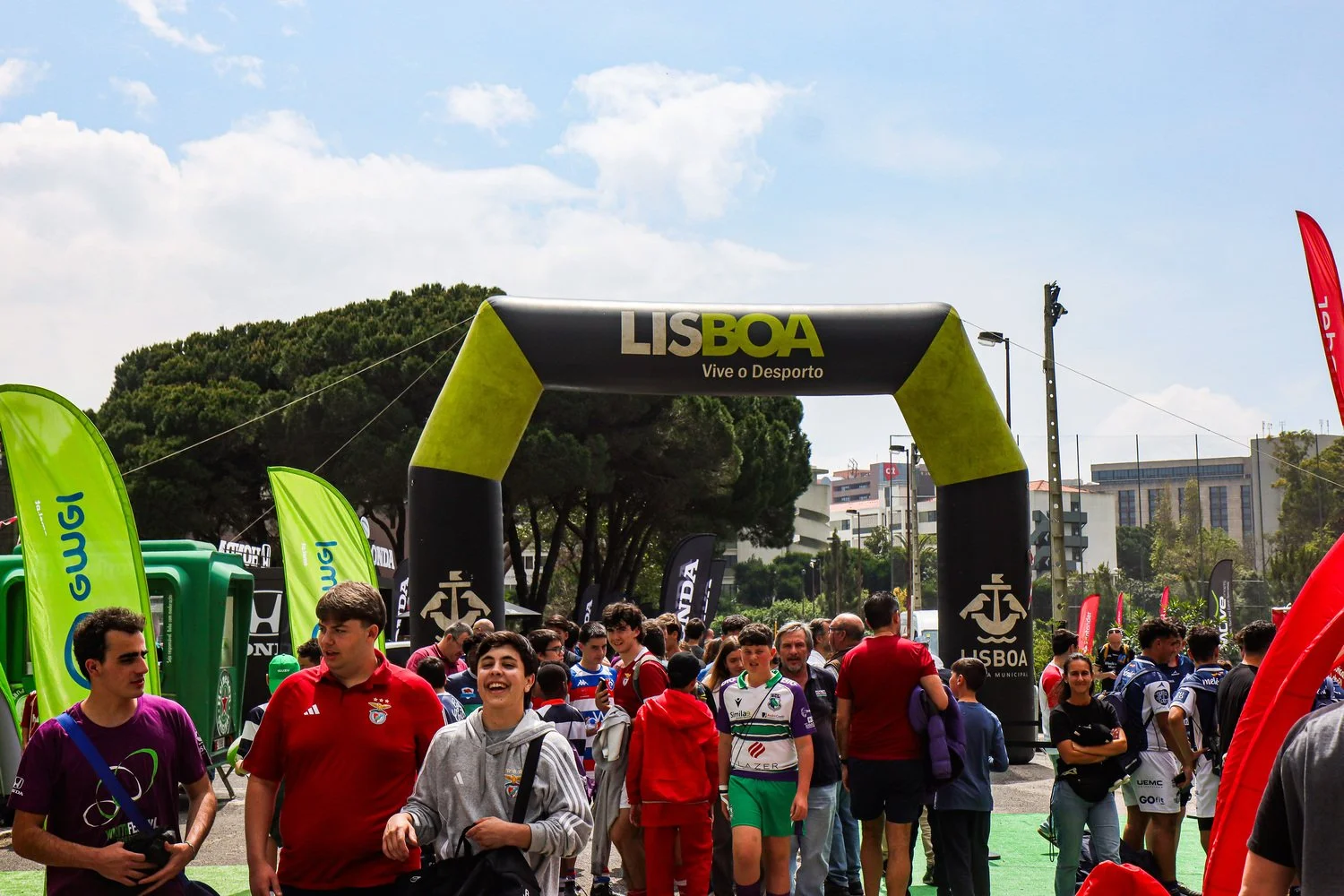
When people think about sports events, they usually picture the action on the field: the matches, the scores, the celebrations. What often goes unnoticed is the broader impact these events have on the communities that host them.
From youth tournaments to international competitions, sports events play an increasingly important role in local tourism, economic activity and cultural exchange. Far beyond the final whistle, their influence can shape how cities grow, connect and present themselves to the world.
How Sports Events Drive Local Tourism
One of the most immediate effects of a sports event is increased visitor flow. Teams rarely travel alone. Players are often accompanied by coaches, staff, family members and supporters, all of whom require accommodation, meals and local services.
This creates a direct boost for hotels, restaurants, transport providers and local businesses. For many destinations, especially those outside peak tourist seasons, sports events help fill hotels and maintain economic activity during quieter periods.
Youth sports tournaments and team-based competitions are particularly significant in this regard. Unlike single-athlete events, they bring groups that stay several days, generating consistent and predictable demand within the tourism ecosystem.
Economic Impact Beyond the Stadium
The economic effect of sports events extends beyond hospitality. Local suppliers, event staff, transport companies, and service providers all benefit from the organisational needs that operate behind the scenes.
Temporary employment opportunities often increase during event periods, from venue staff and medical teams to security and logistics support. In some cases, events also encourage investment in sports facilities and infrastructure that continue to serve the community long after the competition ends.
For smaller cities and regions, hosting sports tournaments can be a strategic tool for economic diversification, reducing dependence on traditional seasonal tourism.
Cultural Exchange Through Sport
Sports events also act as meeting points between cultures. When teams travel internationally, they bring different languages, traditions and ways of experiencing sport.
Local communities are exposed to new cultures, while visiting teams gain insight into the host country’s customs, food and way of life. These exchanges often happen informally, in restaurants, public spaces and local venues, creating human connections that go far beyond the competition schedule.
For young athletes in particular, these interactions can be formative experiences, encouraging openness, respect and global awareness.
Long-Term Benefits for Host Destinations
A well-organised sports event can enhance a destination’s reputation. Positive experiences encourage teams to return in future years and recommend the location to others. Word of mouth among clubs, federations and sports organisations plays a powerful role in shaping future travel decisions.
Over time, destinations known for hosting high-quality sports events can position themselves as reliable hubs for sports tourism. This attracts not only competitions, but also training camps, corporate events and sports-related travel throughout the year.
In this way, individual events become part of a broader strategy that links sport, tourism and local development.
Why Sports Tourism Continues to Grow
The global growth of sports tourism reflects a shift in how people travel. More teams and organisations are looking for travel experiences that combine purpose with participation. Sport provides structure, motivation and shared goals, making travel more meaningful.
At the same time, destinations increasingly recognise sport as a driver of sustainable tourism. Well-planned and responsibly managed events can distribute visitor flows, support local businesses, and create long-term value rather than short-term pressure.
Companies such as Move Sports, which work at the intersection of sport, travel and event organisation, contribute to this ecosystem by designing experiences that connect teams with host communities in structured and positive ways.
Beyond the Final Whistle
The true value of sports events is not measured only in medals or match results. It lies in the people they bring together, the places they support and the connections they create.
When planned with care, sports events become platforms for economic activity, cultural understanding and community pride. They strengthen destinations, enrich participants and demonstrate that sport, when combined with thoughtful organisation, can leave a legacy that lasts well beyond the final whistle.