
The Hidden Value of Sports Tours: What Happens Between the Sessions
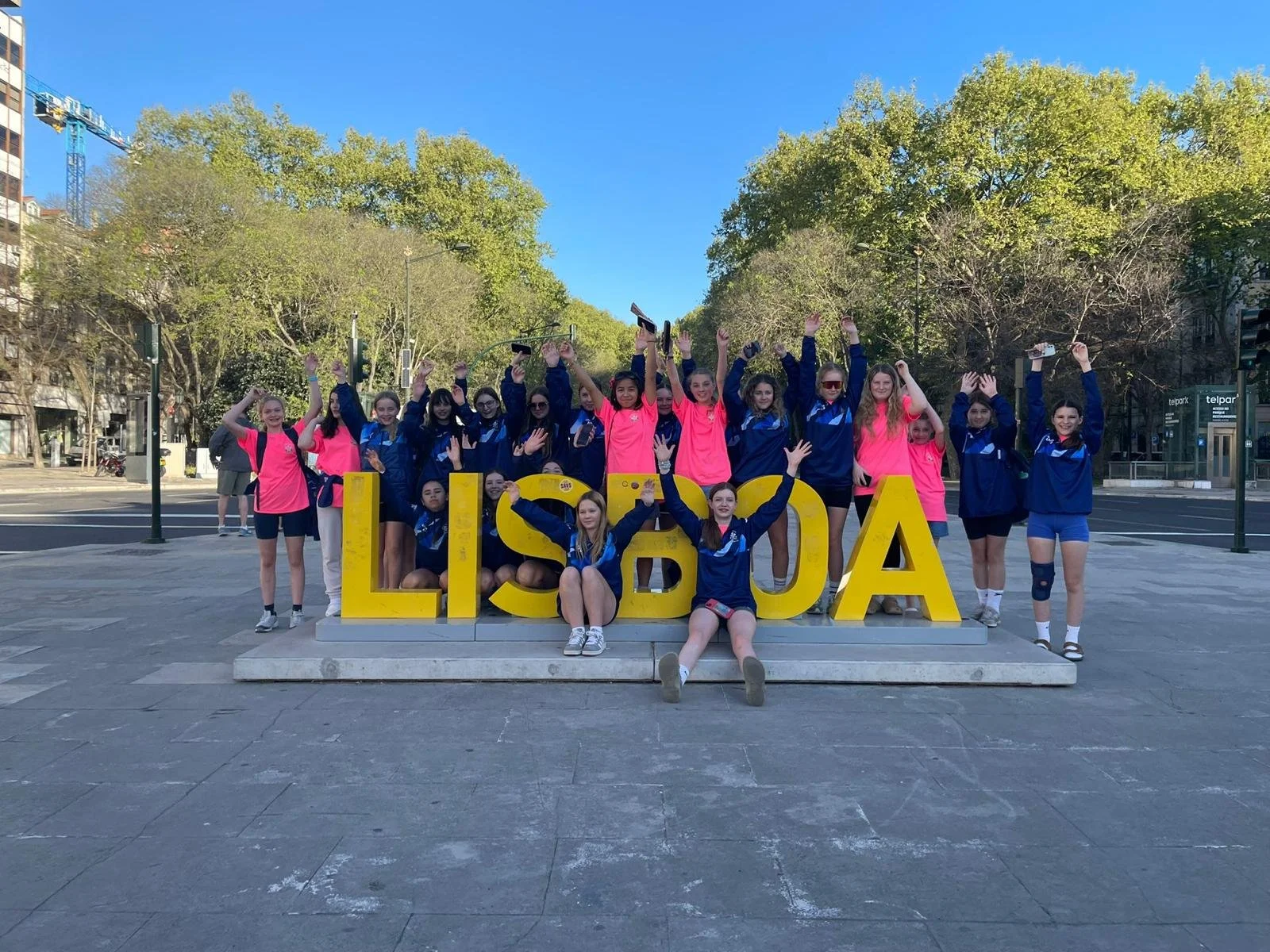
When teams think about a sports tour, the focus naturally falls on what happens on the pitch.
Training sessions, friendly matches, tactical work and performance goals tend to shape the way a tour is planned and evaluated. These are, after all, the visible parts of the experience. They are measurable, structured and easy to define.
But ask players a few months later what they remember most, and the answers are often different.
They talk about the moments between sessions.
The shared meals, the bus journeys, the unfamiliar surroundings, the conversations that would never happen in a regular training week. The small experiences that are not part of the official schedule, but end up shaping how the group feels, connects and performs.
It is in these spaces, often overlooked at the planning stage, that the hidden value of sports tours begins to emerge: what happens around the sport often shapes what happens within it.
A Different Environment Changes Behaviour
One of the simplest but most powerful aspects of a sports tour is the distance from routine.
Being away from home removes familiar distractions and habits. Players are no longer balancing school, work or everyday commitments in the same way. Their attention shifts naturally toward the group and the experience itself.
This change in environment often leads to a different kind of focus. Conversations become more frequent, interactions more spontaneous and relationships more visible. Coaches often notice that players who are quieter at home begin to open up, while team dynamics start to evolve in subtle but meaningful ways.
It is not that the training becomes better in isolation. It is that the context around the training changes how players engage with it.
Time Together Builds What Training Alone Cannot
In a regular weekly schedule, teams train for a few hours and then disperse. On a sports tour, that pattern disappears.
Players spend entire days together. They travel, eat, explore and recover as a group. This continuity creates opportunities for connection that simply do not exist in normal conditions.
Trust builds more quickly. Communication becomes more natural. Leadership emerges in different forms, not only through captains or coaches, but through everyday interactions.
These changes are not always visible during the sessions themselves, but they often translate into better understanding on the pitch. Players begin to anticipate each other more easily, support each other more instinctively and respond to challenges with a stronger sense of unity.
Experiences Outside the Pitch Shape the Tour – The Example of a Sports Tour in Portugal
A well-designed sports tour is not only a sequence of training sessions and matches. It is also an opportunity to experience a different place, culture and rhythm.
That is why activities outside the pitch play such an important role.
Let’s delve into the example of a Sports Tour in Portugal.
Surf clinics along the Portuguese coast offer something entirely different from structured team sport. Players are placed in a new environment where balance, patience and adaptation matter more than tactics. It is a shared challenge, often unfamiliar, that brings the group together in a different way.
Cultural visits to Lisbon, Sintra, Ericeira, Nazaré or Arrábida introduce players to the identity of the destination. Walking through historic streets, experiencing local landscapes or simply seeing a different way of life adds depth to the trip. It helps players understand that the tour is not only about sport, but also about discovery.
Other activities create lighter, more relaxed moments that are equally important. Indoor mini-golf, paintball or go-karting introduce friendly competition in a different format, where roles shift, and the pressure is lower. These moments often reveal different personalities within the group and create memories that stay long after the tour ends.
More immersive experiences, such as jeep tours, kayaking or boat trips, allow teams to step outside the structure of sport entirely, reinforcing the idea that shared experience is just as important as shared performance.
Connecting with the Game in a Different Way
Some of the most meaningful moments on a sports tour come from reconnecting with the sport itself from a different perspective.
While sports tours can involve a wide range of disciplines such as rugby, basketball, volleyball or swimming, certain experiences are particularly popular among football groups, especially in destinations with strong football culture such as Portugal.
Visits to major stadiums such as Estádio da Luz or Estádio José Alvalade, combined with museum tours, allow players to step into the history of the game. They see how clubs are built over time, how identity is shaped and how sport becomes part of a city’s culture.
Sessions such as Benfica Pro Coaching, Footlab or other specialised training environments offer a different type of learning. Players are exposed to new methodologies, technologies and approaches, which can challenge their assumptions and expand their understanding of the game.
These moments are not just educational. They are often inspirational. They help players see their own development within a broader context.
The Role of Unstructured Time
Not every valuable moment needs to be planned in detail.
Some of the most important parts of a sports tour emerge naturally from the time teams spend together outside structured sessions. Moments such as sitting together after dinner, talking in hotel corridors, sharing music or reflecting on matches tend to happen organically, but they are often made possible by the environment created through shared activities and experiences.
Well-planned moments of leisure, whether through cultural visits, group activities or simply time spent exploring a destination, create the conditions for these more informal interactions to take place. It is within this space that players begin to connect more freely, away from the structure of training and competition.
These are the moments where bonds are strengthened in a natural way. They are not driven by objectives or outcomes, but by presence and proximity.
In many cases, this is where teams become something more than a group of players.
Performance Is Still There, but It Feels Different
None of this replaces the importance of training and competition.
Matches still matter. Sessions still need to be well-structured. Coaches still aim to improve performance.
But what often changes during a sports tour is how performance is supported. Players are more connected, more engaged and more aware of each other. The environment encourages a different kind of focus, one that is less fragmented and more collective.
As a result, performance becomes not only a product of preparation, but also of shared experience.
More Than a Schedule
At first glance, a sports tour can look like a schedule: sessions, matches, activities, transfers.
In reality, it is something more fluid.
It is a space where sport, culture and human connection overlap. Where players develop not only technically, but also socially and emotionally. Where teams begin to understand themselves in a different way.
That is why, when the tour ends, what stays is rarely just the results.
It is the feeling of having experienced something together.
And more often than not, that feeling is built in the moments between the sessions.
Thinking About Your Next Sports Tour in Portugal?
If you are considering organising a sports tour for your team, the experience goes far beyond training sessions and matches. The right balance between sport, environment and shared moments can make a lasting difference in how players develop and connect.
Portugal offers a unique combination of high-quality sports infrastructure, favourable climate, accessibility and cultural richness, making it an increasingly attractive destination for international teams.
At Move Sports, we design sports tours in Portugal that combine high-quality training and competition with carefully selected activities and experiences, helping teams make the most of their time both on and off the pitch.