
Haka: What It Is, Where It Comes From and Why It Matters
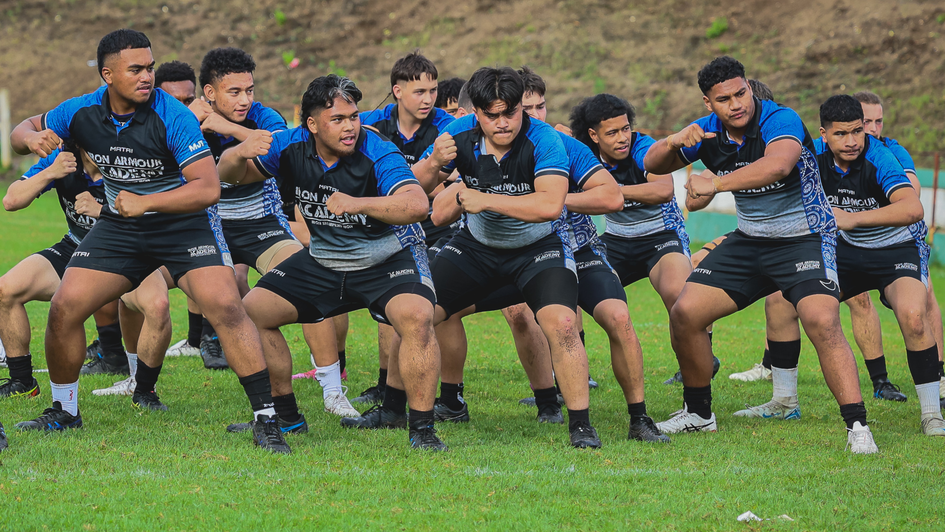
For many people around the world, the haka is first encountered through rugby.
The image is familiar: the New Zealand team stands in formation before kick-off, players stomp their feet, slap their bodies, widen their eyes and chant in unison while facing their opponents. The atmosphere changes immediately. What might have felt like an ordinary sporting event suddenly feels more serious, more symbolic and more emotionally charged.
Yet the haka is far older and far more meaningful than a pre-match ritual in rugby.
The haka is one of the best-known expressions of Māori culture in Aotearoa/New Zealand. It is a traditional group performance that combines movement, rhythm, posture, chanting and facial expression. While many people outside New Zealand still describe it simply as a “war dance”, that definition is incomplete.
In reality, haka can be used to welcome visitors, celebrate important events, honour achievements, farewell loved ones, express grief, show solidarity or prepare for competition. It is an expression of identity, unity, strength and emotion.
What Does the Word “Haka” Mean?
The word “haka” is often translated simply as “dance” in Māori, although it refers more specifically to a posture dance performed by a group. Haka involve strong rhythmic movements, chanting, foot stamping, body slapping and expressive facial gestures such as widening the eyes or sticking out the tongue. These movements are not random. They are part of the storytelling and symbolism behind each haka.
Different haka can carry different meanings depending on the occasion. Some are welcoming and ceremonial, others are celebratory, and some are intended to challenge or energise a group before a contest.
Where Does the Haka Come From?
The haka originates from Māori culture and has existed for centuries. According to Māori tradition, the haka is linked to the story of Tāne-rore, the son of the sun god Tama-nui-te-rā and Hine-raumati, the summer maiden. Tāne-rore is said to be represented by the shimmering movement of the air on a hot day, which Māori mythology interprets as his dance.
Over time, haka became an important part of Māori social and cultural life. They were used before battle to prepare warriors mentally and physically, but they were also performed during ceremonies, celebrations and gatherings between tribes. Haka were a way of showing pride, power, ancestry and collective identity.
This is why Māori communities often emphasise that haka should not be seen only as an intimidating war dance. It is also a way of telling stories, connecting with ancestors and expressing values that matter to the group performing it.
How Is a Haka Performed?
A haka is usually performed by a group standing in formation. The performers chant together while combining a series of physical movements that can include:
Foot stamping
Slapping the chest, thighs or arms
Strong arm gestures
Swaying movements
Widening the eyes
Sticking out the tongue
Shouting or chanting in rhythm
These actions are designed to project energy, unity and presence. They are also meant to communicate the meaning of the words being spoken. The power of the haka comes not only from the physicality of the movements, but from the fact that every member of the group performs them together.
The Most Famous Haka: Ka Mate
The best-known haka in the world is probably “Ka Mate”, the haka traditionally associated with the All Blacks.
“Ka Mate” was composed in the early nineteenth century by the Māori chief Te Rauparaha of the Ngāti Toa tribe. According to tradition, he created it after escaping from enemies who were trying to kill him. Because of this, the words of the haka are often interpreted as celebrating the triumph of life over death. One of its best-known lines translates roughly as “It is death, it is death. It is life, it is life.”
The All Blacks have been performing haka before international matches for more than a century. “Ka Mate” became closely associated with the team, although in 2005 they introduced another haka, “Kapa O Pango”, written specifically for them by Māori cultural expert Derek Lardelli. Unlike “Ka Mate”, which has a broader Māori history, “Kapa O Pango” was created to represent the identity of the All Blacks themselves, celebrating New Zealand, the silver fern and the team’s connection to Māori culture.
When Is the Haka Performed?
Although rugby has made the haka famous internationally, it is performed in many different contexts across New Zealand life.
Haka can be seen:
Before sports matches
At weddings
At funerals and memorials
During graduations
At official ceremonies
At political protests
To welcome guests
To honour important people or achievements
In recent years, haka have been performed to honour people who have died, to celebrate sporting victories, and even in New Zealand’s Parliament during political protests. Following the Christchurch Mosque attacks in 2019, haka were performed around the country as expressions of mourning and solidarity. In 2024, Māori politicians performed a haka in Parliament in protest against proposed changes to the interpretation of the Treaty of Waitangi.
These examples show that the haka is not fixed to one meaning or one setting. It is a living cultural practice that continues to evolve while remaining deeply rooted in Māori identity.
Why the Haka Matters
Part of the reason the haka remains so powerful is that it combines so many things at once. It is performance, tradition, storytelling, emotion and identity. It connects the people performing it to each other and to something larger than themselves.
For New Zealanders, and especially for Māori communities, the haka is not simply something dramatic to watch. It is a way of expressing who they are.
That is also why debates around the haka can sometimes become sensitive. Māori leaders and cultural experts have occasionally criticised inaccurate or inappropriate versions performed by people who do not understand its meaning. The haka is open to being shared and appreciated, but it is also something that deserves respect and cultural understanding.
Today, the haka is recognised around the world, largely because of rugby, but its significance goes far beyond sport. It remains one of the clearest examples of how a traditional cultural practice can survive, adapt and continue to hold meaning in modern life.
And perhaps that is why it still has such impact.
Even when people do not fully understand the words, they understand the feeling.
Sources:
https://ncheteach.org/resource/maori-pride-haka-as-cultural-resistance-and-identity/
https://www.ebsco.com/research-starters/dance/haka
https://www.britannica.com/art/haka
https://brasil.elpais.com/brasil/2017/10/19/cultura/1508405168_363160.html
https://www.allblacks.com/the-haka
https://en.wikipedia.org/wiki/Haka