
The Psychology of Rivalries: Why We Need Sporting “Enemies”
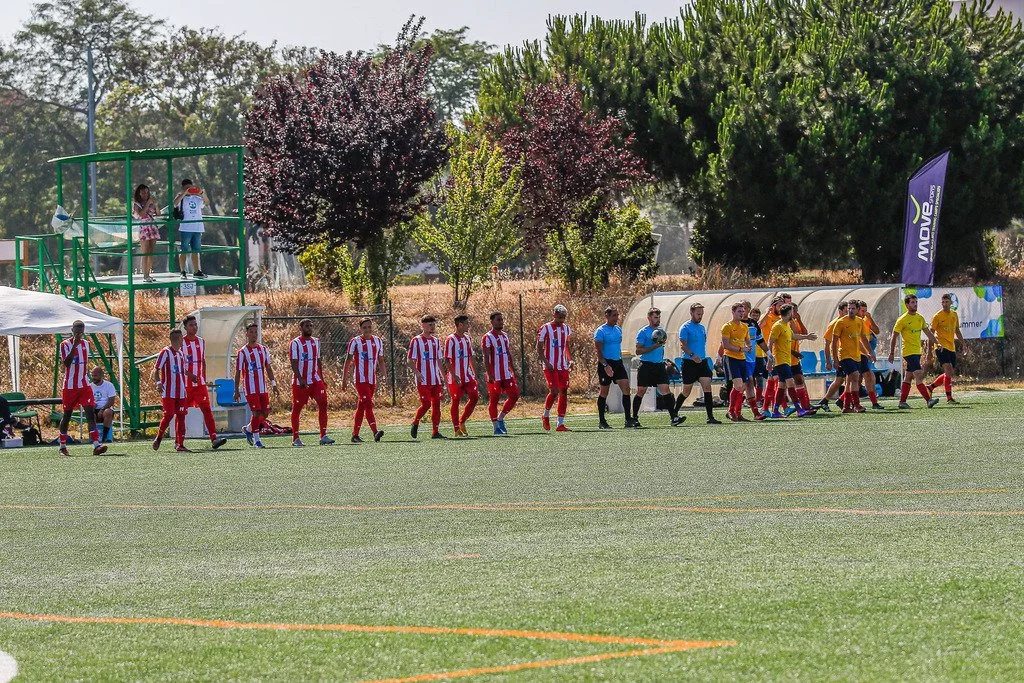
There is a moment just before kick-off, when the atmosphere feels different.
The warm-up is sharper. The noise is louder. Every touch of the ball carries a little more weight. Players are more alert, supporters more engaged. Even those watching from a distance sense that this is not just another game.
It is a rivalry.
In sport, rivalries occupy a unique space. They are not defined only by results or standings, but by history, identity and emotion. They transform ordinary fixtures into meaningful encounters. They create narratives that extend far beyond the pitch.
But why do rivalries matter so much? And why do athletes, teams and supporters seem to need them?
More Than Competition
At its most basic level, sport is competition. Two sides aiming to outperform each other within a set of rules.
Yet rivalry adds another layer.
When teams meet regularly, when results are shared over time, and when moments of tension, success or controversy accumulate, something deeper begins to form. The opponent is no longer just another team. They become a reference point.
A benchmark. A challenge. Sometimes, even an obsession.
This shift changes how athletes prepare, how coaches approach the game and how supporters experience it. Rivalries create context, and context gives meaning to performance.
Identity and Belonging
One of the strongest psychological drivers behind rivalries is identity.
Supporting a team is rarely just about the team itself. It is about belonging to a group. A club, a community, a region or even a country.
Rivalries reinforce that sense of belonging by creating contrast.
We understand who we are more clearly when we know who we are not.
This “us versus them” dynamic is deeply rooted in human psychology. It helps individuals feel part of something larger than themselves. In sport, it is expressed through colours, chants, traditions and shared experiences.
Importantly, this does not need to be negative. At its best, rivalry creates connection within a group, while still allowing respect for the opponent.
Motivation and Performance
From a performance perspective, rivalries can act as powerful motivators.
Athletes often speak about the extra intensity they feel when facing a familiar opponent. The desire to win is sharpened not only by the importance of the result, but by what it represents.
Pride. History. Reputation.
This heightened emotional state can lead to improved focus, faster decision-making and greater physical commitment. Matches played within a rivalry context often feel faster, more intense and more demanding.
At the same time, this intensity needs to be managed. Without control, it can lead to mistakes, indiscipline or emotional burnout.
The most successful athletes and teams are those who can harness the energy of rivalry without being overwhelmed by it.
The Role of Memory and Story
Rivalries are built over time, and memory plays a central role.
A last-minute goal. A controversial decision. A decisive victory. A painful defeat.
These moments are remembered, retold and passed on. They become part of the collective identity of both teams and their supporters.
Even young athletes entering a rivalry for the first time often feel its weight, not because of personal experience, but because of the stories that surround it.
In this way, rivalries connect generations. They create continuity in sport, linking past and present through shared narrative.
Rivalries in Youth Sport
Rivalries are not limited to professional or elite sport. They exist at the youth level as well, often in more subtle forms.
Teams that meet regularly in tournaments or regional competitions begin to recognise each other. Familiarity grows. Matches become more meaningful.
Handled correctly, these rivalries can be incredibly positive.
They can:
Encourage healthy competition
Increase motivation
Improve performance standards
Create memorable experiences
However, the role of coaches and organisers becomes especially important at this level.
The emphasis should remain on respect, development and enjoyment. Rivalry should enhance the experience, not create unnecessary pressure or negative behaviour.
The Fine Line Between Rivalry and Hostility
While rivalries can enrich sport, there is a fine line between intensity and hostility.
When respect disappears, the positive aspects of rivalry can quickly be lost. What should be a motivating force can become a source of tension or conflict.
This is why values such as sportsmanship, respect and fair play remain essential.
The most meaningful rivalries are not those defined by hostility, but by mutual recognition. Two teams pushing each other to higher standards, understanding the significance of the contest without losing perspective.
Why Rivalries Matter
In the end, rivalries matter because they make sport feel alive.
They create anticipation before the match, intensity during it and reflection long after it ends.
They give athletes something to measure themselves against. They give supporters stories to follow. They give competitions a sense of continuity and identity.
Perhaps most importantly, they remind us that sport is not only about isolated results. It is about relationships, emotions and shared experiences.
We do not need “enemies” in the literal sense.
But in the context of sport, we do seem to need opponents who mean something more. Opponents who challenge us, define us and push us to improve.
Because sometimes, the presence of a rival is what turns a game into a story.
And stories are what we remember.