
The History of Athletics: From Ancient Origins to Modern Global Sport
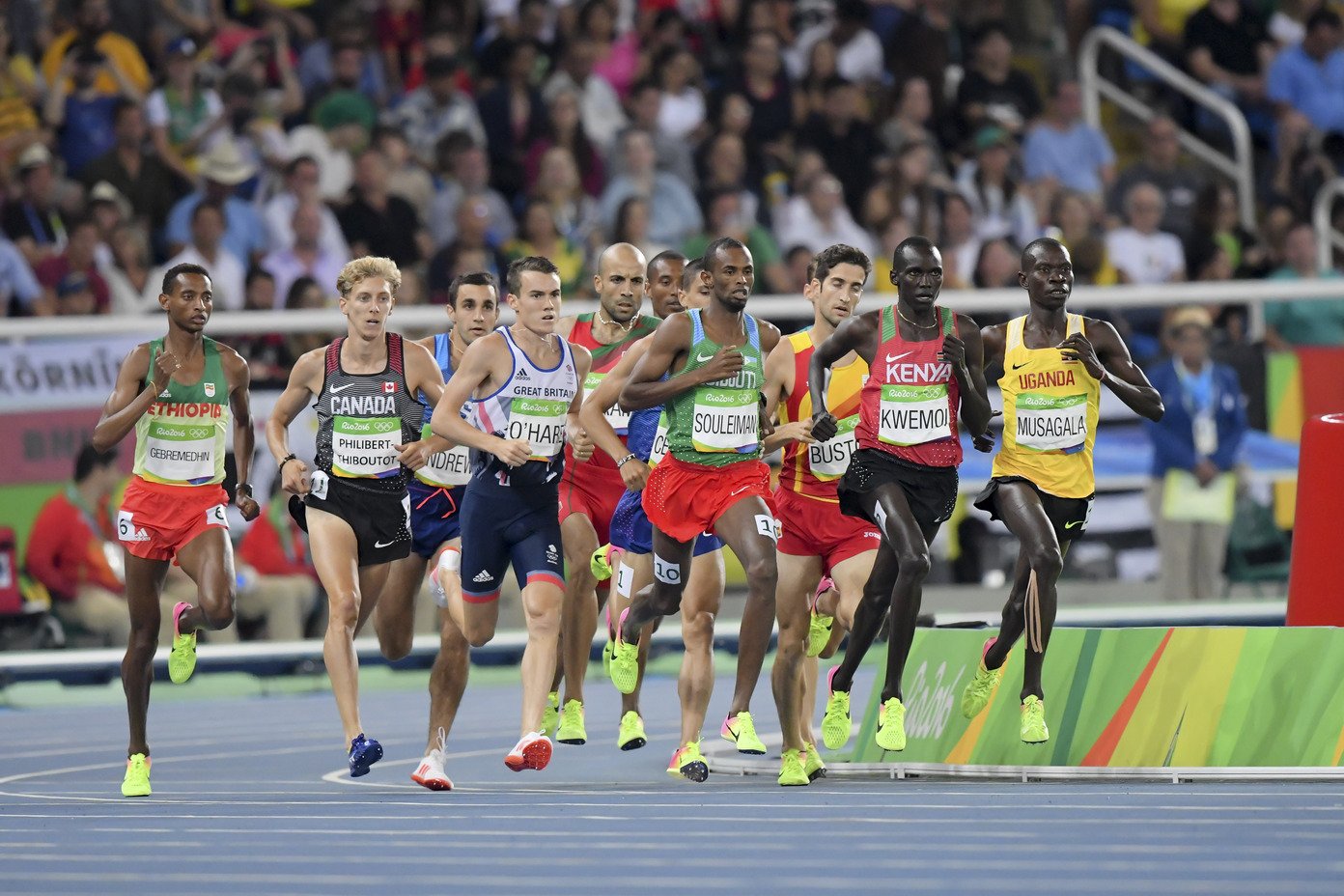
The History of Athletics: From Ancient Origins to Modern Global Sport
Athletics, often referred to as track and field, is widely regarded as one of the oldest organised forms of sport in human history. Its roots stretch back thousands of years, evolving from basic physical tasks necessary for survival, such as running, jumping, throwing and walking, into a structured global sporting tradition enjoyed by millions today.
What Is Athletics?
Athletics is a collection of competitive sports events that take place on a track and in a field, encompassing disciplines such as sprints, middle and long-distance running, hurdles, jumps, throws and combined events such as the decathlon and heptathlon.
It is one of the most universally practised sports worldwide, with men’s and women’s competitions played at local, national and international levels, including the Olympics and World Athletics Championships.
Ancient Beginnings: Athletics in Antiquity
The story of athletics begins in ancient civilisations, where physical contests formed part of religious, cultural and communal life.
Ancient Greece and the Olympic Games
The earliest well-documented athletic competitions occurred in Ancient Greece, where running, jumping and throwing were integral to the original Olympic Games.
The first historic Olympic festival took place in 776 BC in Olympia, where a short footrace known as the stadion was the only event contested. The winner of this race, Koroebus from the city of Elis, is remembered as one of the first ‘champions’ in recorded athletic history.
As the centuries unfolded, additional events such as long jump, discus throw, javelin and wrestling were added to the competition programmes of the Panhellenic Games, which included the Olympic, Pythian, Nemean and Isthmian festivals.
Spread and Evolution Through History
Although ancient Olympic athletics faded after the Roman Empire abolished the games in 393 AD, the idea of staged athletic contests endured in various forms across Europe and beyond.
Middle Ages to Pre-Modern Era
During the Middle Ages and Renaissance, competitive running, stone-throwing and weight-lifting events appeared in local festivals across Europe, particularly in Celtic regions such as Ireland and Scotland, where stone put and weight-throw competitions foreshadowed modern field events.
The Birth of Modern Athletics
Athletics as we recognise it today began to formalise in the 19th century, particularly in Britain and North America.
The 19th-Century Revival
The first purpose-built athletics track was laid in 1837 at Lord’s Cricket Ground in London, and schools like Shrewsbury in England began organising races and field contests that mirrored modern track and field formats.
In 1840, the first documented athletics meeting took place at Shrewsbury, featuring organised running, jumping and throwing events, and in the 1850s, competitions like the Much Wenlock Olympian Games further cemented athletics’ transition into organised sport.
Formal Competition and Codification
By the late 1800s, athletics competitions were being held in the United States and Europe under the governance of clubs and amateur associations. The USA Outdoor Track and Field Championships were first contested in 1876, while organisations such as the Amateur Athletic Union (AAU) helped standardise rules worldwide.
Athletics on the Global Stage
The modern revival of the Olympic Games in 1896 brought athletics back to international prominence. Track and field was one of the core sports at the first modern Olympics in Athens, featuring men’s running events at that stage primarily.
Women’s athletics events were first included at the 1928 Amsterdam Olympics, marking a major milestone in the sport’s development.
Since then, athletics has remained central to the Olympic movement and has grown to include world championships, continental competitions and a range of global circuits governed by World Athletics (formerly the IAAF).
Para-Athletics and Inclusivity
Athletics has also been a cornerstone of disability sport. After the first major competition for athletes with physical disabilities was organised in 1952 for veterans of World War II, the sport became integral to the Paralympic Games from their inception in 1960 onwards.
Athletics Today
Today, athletics remains one of the most widely practised sports globally and is often described as the “king of sports” due to its foundational nature. Running, jumping and throwing reflect the most basic physical expressions of human ability.
Competitions range from local track meets to major international events such as the Olympic Games and World Athletics Championships, showcasing the sport’s evolution from ancient footraces to highly technical and professional global contests.
Legacy and Cultural Impact
Athletics has had an enduring influence on sport and society. It has shaped how competitions are organised, informed the development of other sports, and provided a universal platform for human achievement.
From the stadion races of ancient Olympia to the modern synthetic tracks of today, athletics continues to embody the spirit of human physical endeavour and global competition.
🔗 KEY SOURCES
Ancient roots of athletics and the Olympic origins: Wikipedia – Sport of Athletics
Track and field pre-modern history and evolution: Wikipedia – Track and Field
Basic definition and global reach of athletics: Britannica – Athletics
First organised athletics competitions in the 19th century: World Athletics Heritage
Modern Olympic adoption and inclusion of women: Olympics.com history