
The New Meaning of Fitness: Why Being Active Is No Longer Just About Looking Fit
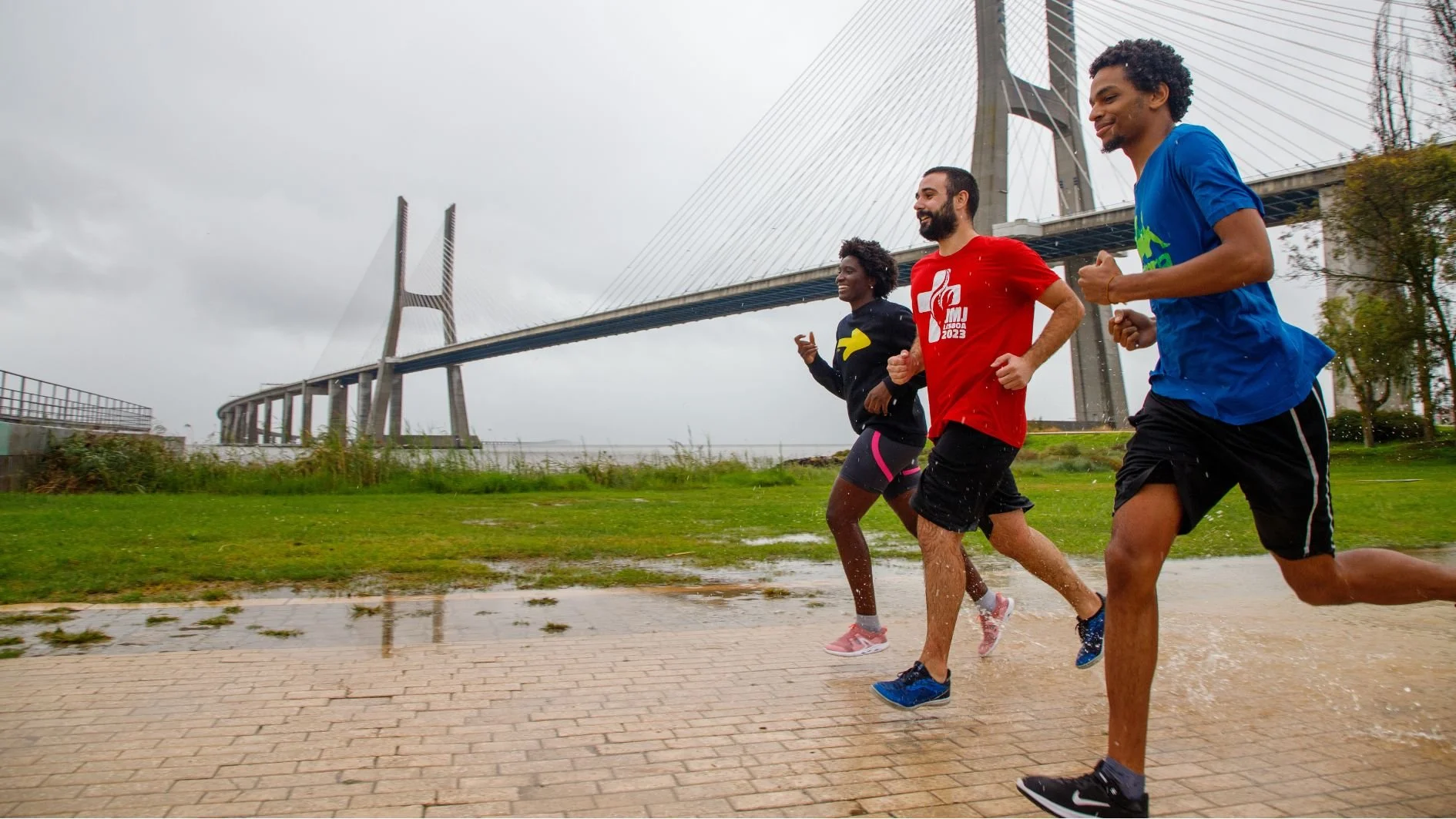
For a long time, fitness was often presented through a narrow lens: appearance, weight loss, muscle definition or visible performance.
That view has not disappeared, and physical goals still matter to many people. But the way we talk about being active is changing. Fitness is becoming less about how the body looks from the outside and more about how it supports everyday life.
Energy. Mobility. Mental wellbeing. Sleep. Stress management. Longevity. Confidence.
These are now part of the conversation.
This shift matters because it makes physical activity feel more accessible. Movement is no longer only for athletes, gym enthusiasts or people chasing a specific body shape. It is for anyone who wants to feel better, move more comfortably and build a healthier relationship with their own body.
From Changing the Body to Supporting the Body
One of the clearest changes in modern fitness culture is the move from transformation to support.
For many people, the question is no longer only “how do I look?” but also “how do I feel?”, “do I have enough energy?” and “can my body handle the life I want to live?”
This changes the purpose of exercise.
A walk, a swim, a weekly football match, a gym session or a mobility class are not just ways to burn calories or improve appearance. They can help people feel more capable in daily life, reduce stiffness, manage stress, maintain strength and stay socially connected.
In this sense, fitness becomes less about chasing an ideal and more about protecting long-term wellbeing.
That is a more sustainable way to think about movement.
Consistency Matters More Than Extremes
Older fitness culture often celebrated intensity: harder sessions, stricter routines, dramatic progress and visible results.
But for many people, the most difficult part of being active is not effort. It is continuity.
Life changes. Work gets busy. Energy fluctuates. Motivation is not always reliable. A routine that only works under perfect conditions usually does not last.
That is why consistency has become such an important part of the new fitness conversation.
The World Health Organization recommends that adults do at least 150 to 300 minutes of moderate-intensity aerobic physical activity per week, or 75 to 150 minutes of vigorous-intensity activity, plus muscle-strengthening activities on at least two days per week. But the same guidance also reinforces a simple and important idea: some physical activity is better than none.
That message is powerful because it removes the all-or-nothing mindset. A shorter session still counts. A walk still counts. Recreational sport still counts. Starting again after a break still counts.
For most people, the best routine is not the hardest one. It is the one they can return to.
Movement as Mental Support
Another reason fitness is being redefined is the growing awareness of the link between physical activity and mental wellbeing.
Exercise can create structure in a stressful week, help people disconnect from screens, improve mood and provide a sense of control. In team sports or group activities, it can also become a social space, offering regular contact with others through shared effort rather than forced conversation.
This does not mean physical activity should be treated as a solution to every mental health challenge. It should not. But it can be an important support.
The World Health Organization notes that regular physical activity can reduce symptoms of depression and anxiety, support brain health and improve overall wellbeing.
That helps explain why many people now see movement less as punishment and more as care.
Longevity Has Changed the Conversation
The interest in fitness is also being shaped by a wider concern with ageing well.
People are thinking not only about living longer, but about staying independent, mobile and able to enjoy everyday life. Strength, balance, cardiovascular health and mobility are no longer seen only as sporting qualities. They are part of quality of life.
This makes fitness relevant far beyond performance.
Research led by the University of Cambridge found that around 11 minutes a day of moderate-intensity physical activity, such as a brisk walk, was associated with a lower risk of premature death and several major diseases.
That kind of finding matters because it makes movement feel achievable. It shows that the starting point does not need to be extreme for physical activity to have value.
Small, repeated actions can be meaningful.
A More Human Definition of Fitness
The new meaning of fitness is not about lowering ambition. It is about broadening the definition.
For some people, being active will still be about competition, performance or physical goals. For others, it will be about managing stress, staying mobile, sleeping better, feeling stronger, reconnecting with sport or simply having more energy.
All of those reasons are valid.
Fitness today is becoming less about comparison and more about usefulness. Less about punishment and more about support. Less about short-term appearance and more about long-term wellbeing.
Being active is no longer just about looking fit.
It is about building a body and mind that help people live better, for longer, and with more confidence in everyday life.
Sources
World Health Organization – Physical Activity
https://www.who.int/europe/news-room/fact-sheets/item/physical-activity
World Health Organization – Physical Activity: Great for Your Body, Great for Your Mind
https://www.who.int/news-room/feature-stories/detail/physical-activity---great-for-your-body--great-for-your-mind
University of Cambridge – Daily 11 Minute Brisk Walk Enough to Reduce Risk of Early Death
https://www.cam.ac.uk/research/news/daily-11-minute-brisk-walk-enough-to-reduce-risk-of-early-death