
Balancing Academics and Athletics: Tips for Supporting Student-Athletes
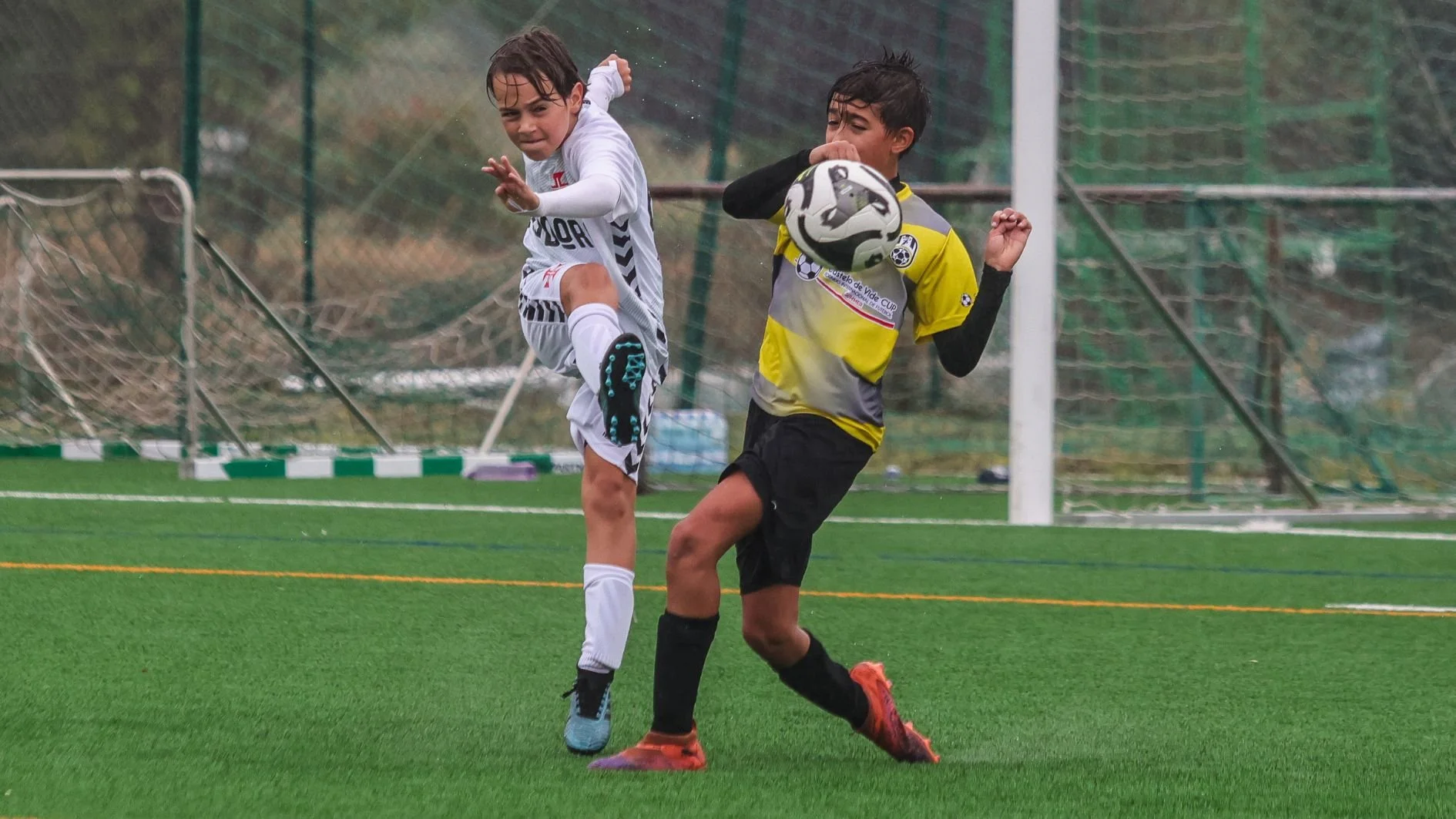
For student-athletes, balancing the demands of both academics and athletics can be challenging. Coaches and team managers play a crucial role in helping these young athletes manage their dual responsibilities. When well-supported, student-athletes can excel both in the classroom and on the field, gaining valuable skills that prepare them for success in all areas of life. Here’s how coaches and managers can help student-athletes thrive by fostering a balance between academics and athletics.
1. Emphasise Time Management Skills
Time management is essential for student-athletes. With a schedule full of classes, homework, practices, and competitions, learning to manage their time effectively is critical for success. Coaches can support this skill by offering guidance on how to structure their days and prioritise tasks (KU SOE).
Use planners and digital tools: Encourage athletes to use planners or digital calendars to keep track of assignments, exams, training sessions, and other commitments. Apps like Google Calendar or Trello can help them stay organised and set reminders for key tasks.
Teach prioritisation: Help athletes learn how to rank their tasks based on urgency and importance. Breaking down large assignments or training goals into smaller, manageable tasks can make everything feel more achievable.
Additionally, holding workshops or brief sessions on effective time management can equip student-athletes with tools to navigate their schedules independently.
2. Encourage a Study-First Mentality
While athletic success is important, academic achievement should remain a top priority. Coaches can foster a “study-first” mentality by reminding athletes that academics come first and that excelling in both areas can open doors for future opportunities (Cactusware).
Set academic benchmarks: Many teams set academic standards for participation, such as a minimum exam pass rate. Reinforcing this approach encourages athletes to take their studies seriously and helps ensure they remain eligible to compete.
Create structured study times: Consider scheduling dedicated study periods before or after practice. This way, athletes know they have a set time to focus on academics, reducing stress about fitting in study time around training.
3. Foster Open Communication Between Coaches, Teachers, and Parents
Supporting a student-athlete’s development requires a team effort that includes coaches, teachers, and parents. Encouraging open lines of communication ensures everyone is aware of the student’s commitments and can work together to support their success (Cactusware).
Set up regular check-ins: Establish a system where athletes, coaches, teachers, and parents can discuss the athlete’s progress and address any concerns. Regular updates help to keep everyone aligned and allow early intervention if issues arise.
Use digital communication tools: Platforms like Google Classroom or school-specific portals can streamline communication between teachers and coaches, providing timely updates on academic performance or upcoming assignments.
4. Teach Self-Discipline and Goal Setting
Balancing academics and athletics requires strong self-discipline and a clear understanding of one’s goals. Coaches can help athletes set both academic and athletic goals to keep them motivated and focused.
Use SMART goals: Encourage student-athletes to set Specific, Measurable, Achievable, Relevant, and Time-bound (SMART) goals. This framework can be applied to both their academic and athletic pursuits, helping them build self-discipline through structured goal-setting (Strong Athletic).
Incorporate goals into regular reviews: During one-on-one sessions, take time to review both academic and athletic goals with the athlete. Reflect on what they’ve accomplished and adjust goals as necessary.
5. Provide Academic Support Resources
Ensuring that athletes have access to resources that can support their academic needs is crucial. Whether it’s providing access to tutoring or creating study groups within the team, these resources can make a significant difference in the academic success of student-athletes.
Offer tutoring options: If possible, connect student-athletes with tutoring services, either within the school or through external providers. Many schools have academic support programs specifically for athletes, which can help address academic weaknesses or improve overall performance (Career Sidekick).
Promote peer study groups: Encouraging athletes to form study groups can foster accountability and make learning more enjoyable. Group sessions can also be structured around the team’s training schedule, making it easier for everyone to participate.
6. Use Athletic Success to Build Academic Skills
Athletics and academics can reinforce one another. Skills learned on the field—such as perseverance, teamwork, and problem-solving—are also invaluable in the classroom. Coaches can help athletes recognise these transferable skills and apply them to their studies (Strong Athletic).
Highlight the parallels: Remind athletes that the dedication and effort they put into training can be mirrored in their academic work. Drawing these connections helps athletes see the value in both areas of their lives.
Encourage reflection: After a competition or a challenging training session, encourage athletes to reflect on what they’ve learned and how it applies to their studies. This reflection can reinforce the importance of their dual roles and help them stay motivated.
By nurturing the link between academics and athletics, coaches help athletes develop a well-rounded skill set that benefits them in multiple areas of life.
7. Encourage Recovery and Downtime
Balancing two demanding areas requires intentional recovery. Without adequate rest, student-athletes may experience burnout, which can negatively impact both their academic and athletic performance. Coaches can help by promoting a healthy balance between work and recovery (Career Sidekick).
Promote sleep and nutrition: Emphasise the importance of good sleep and balanced nutrition. These are foundational to both academic focus and athletic performance.
Encourage downtime: Make sure athletes have time for hobbies, relaxation, and socialising. This helps them recharge and return to both studies and training with renewed energy.
Conclusion
Supporting student-athletes in balancing academics and athletics requires a holistic approach. By promoting time management, open communication, goal setting, and recovery, coaches can help these young athletes excel in both areas. With the right strategies and support, student-athletes can find success on the field and in the classroom, preparing them for a bright future ahead.