
Team Dynamics and Success: Building Cohesion in Sports Teams
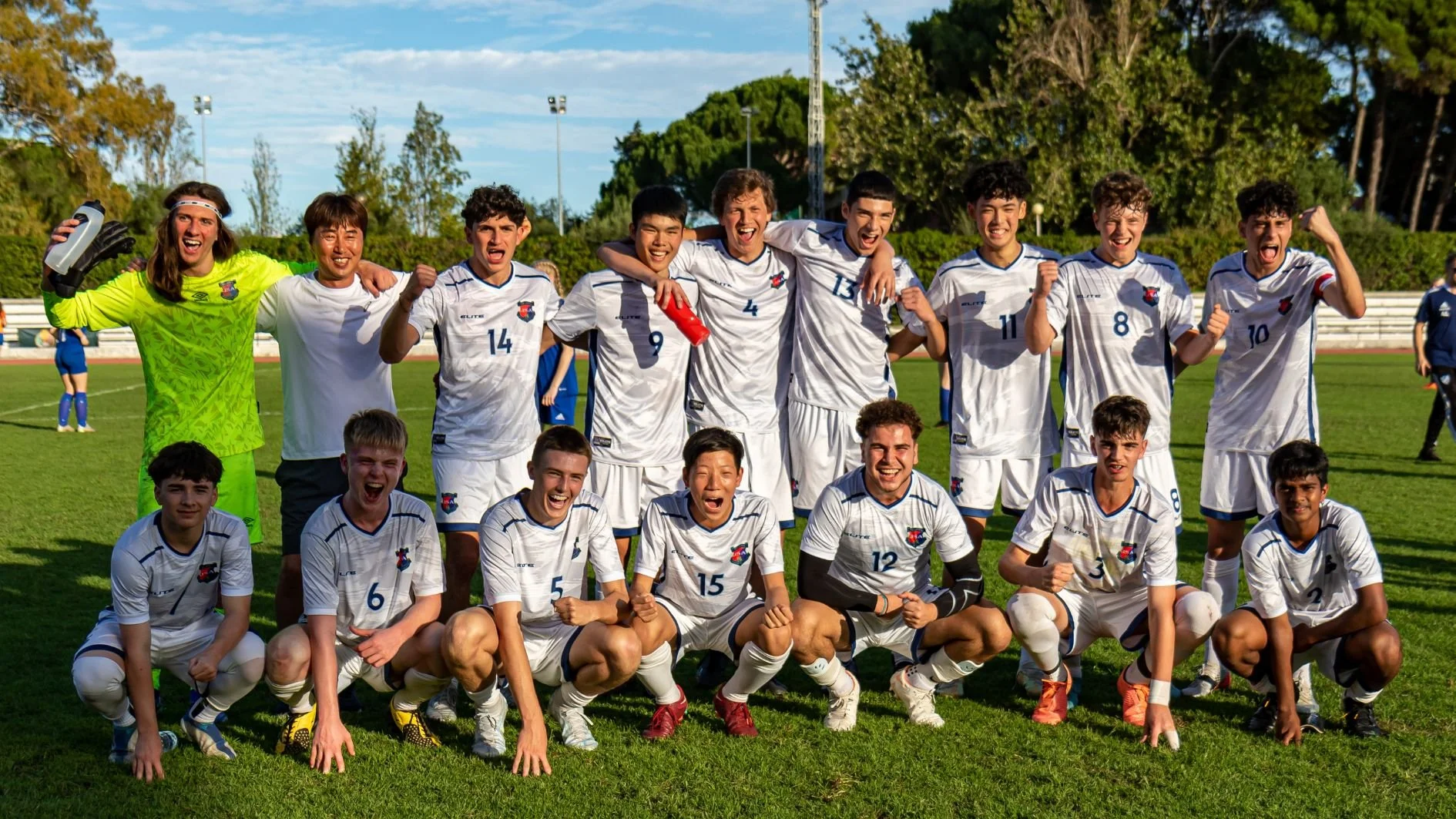
Talent can win moments, but team dynamics often decide what happens over time.
In every sport, there are teams that look strong on paper but never quite function as a unit. The players may be technically gifted, physically prepared and tactically well-drilled, yet something is missing. Communication breaks down under pressure. Small frustrations become visible. Individuals start solving problems alone instead of trusting the group.
Then there are teams that feel different.
They may not always have the best individual players, but they understand each other. They react together. They recover from mistakes more quickly. They know when to challenge, when to support and when to stay calm. Their strength is not only in what each player can do, but in how the group works as a whole.
That is the power of team cohesion.
Cohesion Is Built, Not Assumed
A strong team dynamic does not appear automatically because players train together or wear the same shirt.
Cohesion is built through repeated interactions, shared standards and a clear understanding of what the group is trying to achieve. It develops in training sessions, matches, team meetings, travel days, difficult results and small everyday moments that shape how people relate to one another.
At its core, cohesion means that players feel connected to the team’s purpose and to each other. They understand their roles, trust the people around them and believe that their contribution matters.
This does not mean everyone needs to be best friends. In fact, strong teams often include different personalities, communication styles and ways of dealing with pressure. What matters is not sameness, but alignment.
A cohesive team knows how to move in the same direction even when individuals are different.
Shared Purpose Gives the Team Direction
One of the most important elements of team dynamics is a shared purpose.
Every team wants to win, but winning alone is not always enough to create unity. A group needs to understand what it is building, how it wants to play and what kind of standards it expects from everyone involved.
A clear purpose helps players make better decisions. It gives meaning to difficult sessions, demanding matches and moments when individual preferences need to be placed behind the needs of the group.
For youth teams, this purpose may be linked to development, learning and confidence. For senior teams, it may involve performance, consistency and collective ambition. For recreational or adult teams, it may include enjoyment, commitment and belonging alongside competition.
Whatever the level, teams function better when players understand why they are there and what they are working towards together.
Roles Matter More Than Status
In successful teams, not every player has the same role, but every player needs to feel that their role has value.
One of the most damaging dynamics in sport appears when players believe that only starters, captains or top scorers matter. This can create frustration, disengagement and hidden divisions within the group.
Strong team cultures recognise different forms of contribution.
Some players lead vocally. Others set the standard through consistency. Some bring energy from the bench. Some calm the group during stressful moments. Some may not play the most minutes, but they help maintain the emotional balance of the team.
When players understand their roles, they are more likely to commit to the group. When they feel ignored or unclear about their place, cohesion becomes harder to sustain.
This is where coaches play an important role. Clear communication around expectations, playing time, development goals and team needs can prevent uncertainty from turning into resentment.
Communication Shapes the Environment
Every team communicates, but not every team communicates well.
Good communication is not only about speaking often. It is about creating an environment where information is useful, feedback is understood, and players feel able to express themselves without damaging the group.
On the field or court, communication helps organise movement, solve problems and maintain focus. Off the field, it helps prevent misunderstandings and strengthens relationships.
Poor communication often appears in subtle ways: players stop giving each other information, frustrations are expressed through body language, mistakes are met with blame rather than solutions, or younger and quieter players withdraw from the group.
Healthy communication does not mean avoiding difficult conversations. It means handling them with clarity and respect.
The best teams are not free from tension. They simply know how to deal with it before it becomes division.
Trust Is Built Through Reliability
Trust is one of the most important ingredients in team cohesion, but it cannot be forced.
Players build trust by repeatedly seeing that others are reliable. A teammate makes the recovery run. A defender covers space when someone is beaten. A player accepts feedback. Someone takes responsibility after a mistake. The group continues to work even when the score is against them.
Over time, these actions create belief.
Trust also allows teams to take more intelligent risks. Players are more willing to make runs, pass under pressure, press aggressively or attempt creative solutions when they believe the group will support them.
Without trust, teams often become cautious. Players protect themselves. They avoid responsibility. They hesitate.
With trust, players act more freely because they know they are not alone.
Conflict Is Not Always a Problem
Many people assume that a cohesive team is one without conflict. In reality, some level of disagreement is normal in competitive environments.
Players care about results. Coaches make difficult decisions. Emotions rise during matches. Different personalities respond to pressure in different ways.
The issue is not whether conflict appears, but how the team handles it.
In healthy teams, conflict can lead to growth because it brings important conversations to the surface. Players can challenge standards, clarify expectations and solve problems together. In unhealthy teams, conflict becomes personal, hidden or destructive.
Strong team dynamics depend on the ability to separate disagreement from disrespect.
A team can be demanding without being negative. It can be honest without being harsh. It can hold people accountable without creating fear.
That balance is difficult, but it is often what separates mature teams from fragile ones.
Leadership Exists Across the Group
Leadership in sport is often associated with captains and coaches, but the strongest teams usually have leadership spread across the group.
A captain may set the tone, but other players influence the environment in different ways. Senior players can guide younger teammates. Quiet players can lead by example. Substitutes can keep energy high. Injured players can remain connected and supportive.
When leadership depends on only one person, the team becomes vulnerable. When responsibility is shared, the group becomes more resilient.
This is especially important during difficult moments. A team with strong internal leadership does not wait for the coach to solve everything. Players take ownership of standards, reactions and energy.
They understand that the culture of the team belongs to everyone.
Cohesion Becomes Visible Under Pressure
It is easy for a team to feel united when results are positive.
The real test comes when things become difficult: a run of losses, a poor performance, a mistake in an important match, limited playing time, travel fatigue or pressure from outside the group.
These moments reveal the strength of the team dynamic.
Cohesive teams are not immune to frustration, but they recover faster. They communicate more clearly, protect each other from unnecessary blame and return to shared behaviours rather than reacting only through emotion.
Less cohesive teams often fragment when pressure rises. Individuals start focusing on their own disappointment, trust weakens, and the group loses its collective rhythm.
This is why cohesion is not just a pleasant extra. It is a performance factor.
A connected team can stay functional when the game becomes uncomfortable.
Building Cohesion Takes Time
There is no single exercise, meeting or team-building activity that creates lasting cohesion by itself.
It takes time.
It is built through consistency, shared experiences, honest communication and the daily habits that shape how people behave together. A social activity can help. A tour or tournament can accelerate connection. A strong result can bring energy. But the deeper work happens in how the team treats each other every week.
Do players listen?
Do they take responsibility?
Do they support each other when things go wrong?
Do they understand the team’s standards?
Do they feel their role matters?
These questions often reveal more about team dynamics than the quality of a training session alone.
Success Is a Collective Habit
Team success is never only technical.
It is emotional, social and behavioural. It depends on how people communicate, how they respond to pressure, how they manage differences and how strongly they believe in the group they are part of.
Cohesion does not guarantee victory. Sport is too unpredictable for that. But it gives teams a better chance of performing consistently, learning from difficult moments and staying connected through the natural highs and lows of competition.
The strongest teams are not simply groups of talented individuals.
They are groups that have learned how to trust, adapt, communicate and compete together.
And in the end, that may be one of the clearest signs of a team built for lasting success.