
The Rise of the Everyday Athlete: Why Everyone Is Tracking Everything
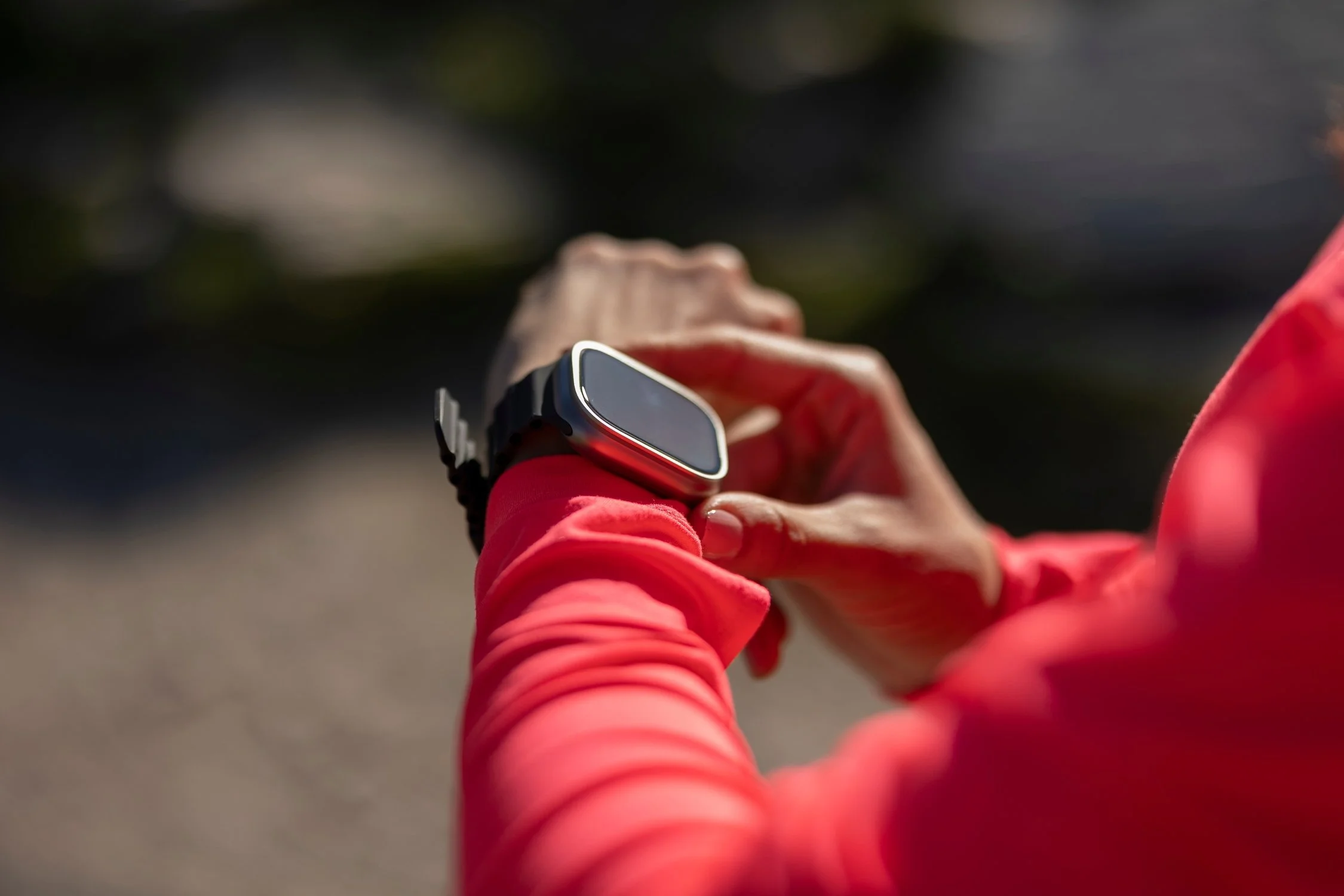
Sports performance data used to belong mostly to elite environments.
Professional teams measured workload, monitored recovery and analysed physical output with specialised equipment and dedicated staff. Detailed performance tracking was something associated with Olympic athletes, elite football clubs or high-performance training centres.
Today, that world looks very different.
A recreational runner checks their sleep score before deciding how hard to train. Someone going to the gym tracks heart rate variability and recovery levels through a smartwatch. Amateur cyclists compare power output and training load through apps once reserved for professionals. Even people who would never describe themselves as athletes now monitor steps, stress levels, calories, sleep quality and daily movement almost automatically.
The athlete, in some ways, has become everyone.
And with that, a growing obsession with data has come.
Sport Is No Longer Separate from Everyday Life
Part of this shift comes from the way sport and lifestyle have gradually merged.
Exercise is no longer viewed only through the lens of competition or performance. Increasingly, it is connected to energy, mental health, productivity, longevity and general wellbeing. Physical activity has become integrated into everyday routines in a much broader way than before.
As a result, people are approaching their bodies differently. They want to understand how they sleep, recover, perform and respond to stress. Technology has made that information accessible in real time, often through devices worn continuously throughout the day.
The important change is not only technological. It is cultural.
Tracking physical activity has become normalised.
The Everyday Athlete
What makes this moment particularly interesting is that many people using performance technology are not traditional athletes at all.
They are office workers training before work. Parents fitting runs into busy schedules. Casual gym-goers. People trying to improve energy levels, consistency or general health.
Yet many now interact with their physical activity in ways that resemble professional training environments.
They monitor recovery scores before deciding whether to train intensely. They compare sessions through platforms such as Garmin Connect, TrainingPeaks or Nike Run Club. They analyse pace trends, sleep cycles and heart rate data with surprising precision.
In previous generations, this level of monitoring would have seemed excessive outside elite sport. Today, it feels increasingly ordinary.
Why Data Feels Reassuring
Part of the appeal lies in clarity.
Modern life can feel unpredictable and mentally fragmented. Data offers structure. Numbers create the impression that progress can be measured, controlled and understood.
If sleep improves, the watch confirms it. If fitness increases, the app visualises it. If recovery is poor, the athlete receives a warning before even stepping outside.
This feedback loop can be highly motivating. It transforms invisible processes into visible ones. Consistency becomes easier when people can track patterns over time.
In many cases, wearable technology genuinely helps people become more aware of their habits and health.
The Fine Line Between Awareness and Obsession
At the same time, the rise of self-tracking has introduced new tensions into sport and wellbeing culture.
Not everything valuable can be measured.
A run can feel mentally restorative even if the performance metrics are average. A training session can be enjoyable despite low output. Recovery scores are useful indicators, but they do not always capture motivation, mood or emotional state.
For some people, constant monitoring creates pressure rather than balance. Exercise risks becoming less intuitive and more transactional, where every session must justify itself through data.
This is one of the paradoxes of modern fitness culture: technology designed to improve wellbeing can sometimes increase anxiety around performance and optimisation.
The challenge is no longer access to information. It is learning how to interpret it without becoming controlled by it.
Social Media Has Accelerated the Trend
The growth of digital training and fitness platforms has also changed the psychology of sport participation.
Physical activity is no longer experienced privately. Runs, rides and workouts are increasingly shared, compared and validated socially.
This can be positive. Shared progress often motivates people to remain active and connected. Communities form around common goals, routines and interests.
But it also changes the nature of participation. A training session can begin to feel incomplete unless it is uploaded, analysed or publicly acknowledged.
In this environment, performance data becomes part of personal identity.
Recovery Has Become Part of Performance Culture
One of the clearest signs of this shift is the growing attention given to recovery.
A decade ago, many recreational athletes focused almost entirely on training itself. Today, sleep quality, stress management, hydration and recovery metrics are discussed almost as much as workouts.
Wearables increasingly encourage users to think holistically:
How well did you sleep?
Are you recovered enough to train?
Is your stress level elevated?
Are you overreaching physically?
This reflects a broader evolution in sports culture. Performance is no longer understood only as effort. It is understood as the relationship between effort and recovery.
Interestingly, this mindset has spread far beyond elite sport into everyday life.
Technology Is Changing How We Understand Ourselves
Perhaps the biggest transformation is psychological.
People now relate to their bodies through continuous streams of feedback. Instead of relying purely on feeling, they increasingly rely on metrics.
Sometimes this creates healthier habits. Sometimes it creates dependency on validation through numbers.
Either way, the relationship between humans and physical activity is changing. Exercise is becoming more quantified, more personalised and more integrated into daily identity than ever before.
More Human, Not Less
It would be easy to frame this trend as purely technological, but at its core, it remains deeply human.
People track themselves because they want to feel better, live longer, improve, connect or regain a sense of control over increasingly busy lives.
The devices may be modern, but the motivations behind them are not.
Humans have always searched for ways to understand their limits, measure progress and find meaning in physical effort. What has changed is that the tools once reserved for elite athletes now exist on millions of wrists around the world.
Sport, in that sense, no longer belongs only to athletes.
Increasingly, everyday life itself has become athletic.