
The Role of Sport in Bringing People Together Across Cultures
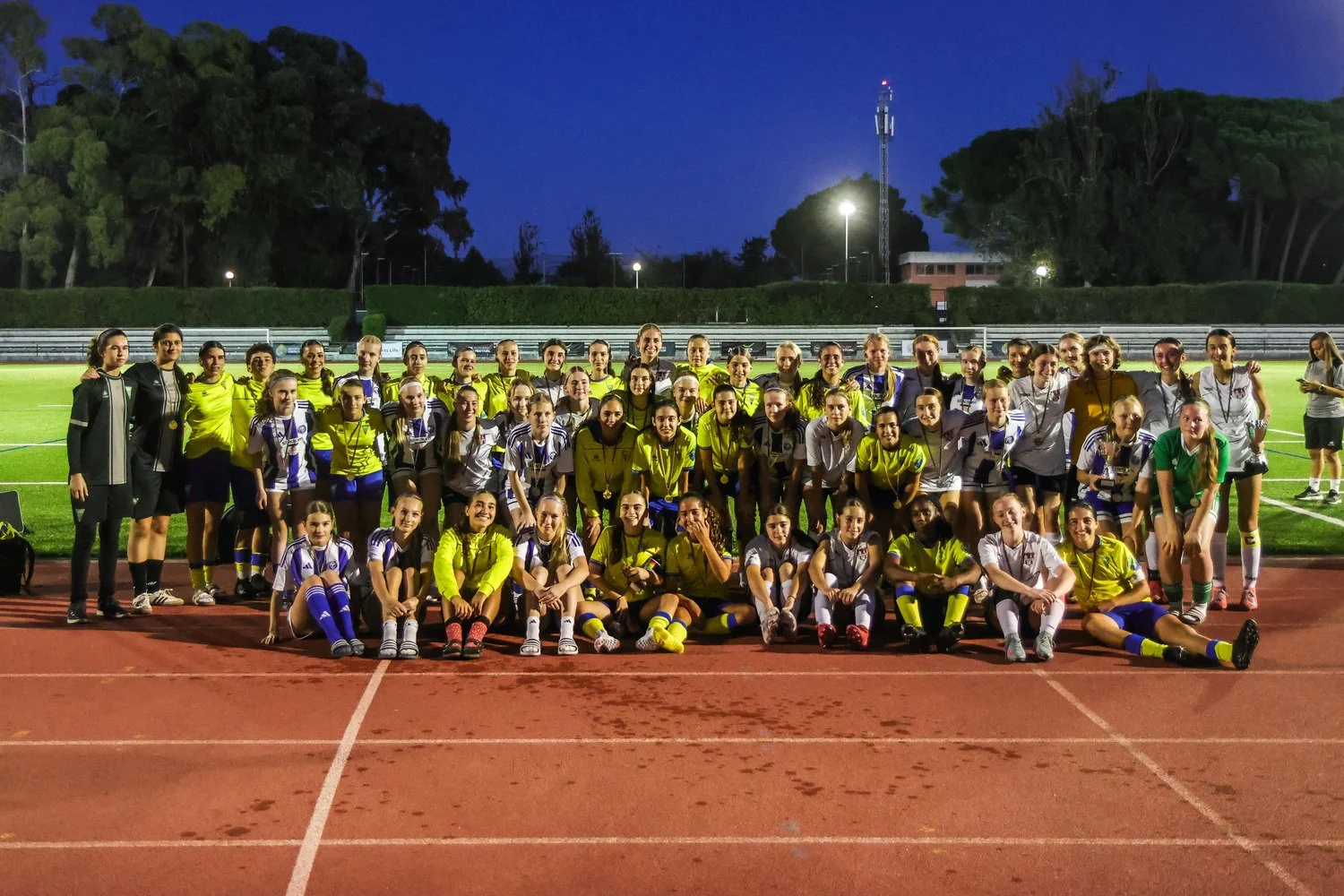
In a world shaped by different languages, traditions and ways of living, finding common ground is not always easy. Cultural differences can feel vast, especially when people meet for the first time in unfamiliar environments. Yet, time and again, sport proves to be one of the most natural bridges between them.
Long before conversations flow easily or friendships take shape, a shared game creates understanding. A pass, a tackle, a rally or a sprint needs no translation. Across continents and cultures, sport offers a universal language, one that brings people together not by ignoring differences, but by allowing them to coexist within a shared experience.
A Common Language Without Words
Sport communicates through movement, intention and emotion. When players step onto a pitch or court, they immediately share the same objectives, rules and rhythm. This common framework removes barriers that might otherwise exist.
Young athletes quickly learn that teamwork does not depend on accent or background. It depends on trust, timing and awareness. A well-timed run or a supportive gesture after a mistake carries the same meaning anywhere in the world. In these moments, understanding is instinctive rather than learned.
Respect Grows Through Competition
Competing against teams from different cultures encourages a deeper level of respect. Different playing styles, tactical approaches and attitudes towards the game reflect the environments in which players are raised and coached.
Rather than creating division, these contrasts often spark curiosity. Athletes begin to appreciate alternative ways of thinking and playing. They adapt, learn and respond. Through competition, they discover that difference is not a weakness, but a source of growth.
This exposure fosters humility and openness, qualities that extend beyond sport and into everyday life.
Shared Experiences Build Real Connections
Some of the strongest bonds in sport are formed away from the field. Travelling together, sharing meals, navigating new cities and celebrating moments collectively create a sense of unity that transcends nationality.
When teams from different countries interact, informal exchanges happen naturally. Stories are shared. Laughter fills the gaps where words fall short. Cultural habits are observed, questioned and understood, not through explanation, but through experience.
These moments leave a lasting impression, especially on young athletes, who often return home with a broader perspective of the world and their place within it.
Learning Empathy Through Team Environments
Sport places individuals in situations that demand cooperation. Success relies on recognising others’ strengths, supporting their weaknesses and adjusting to different personalities and behaviours.
When cultural differences are part of this mix, empathy grows organically. Players learn patience, adaptability and emotional awareness. They begin to understand that effective communication is not only verbal and that leadership can look different depending on context.
These lessons are subtle, but powerful. They shape how young people interact with others long after the final whistle.
Sport as a Gateway to Cultural Exchange
International sport does more than bring people together temporarily. It opens the door to curiosity about the world beyond the game. Athletes become more receptive to new environments, traditions and perspectives.
Exposure to different cultures through sport often encourages respect, tolerance and a sense of global citizenship. It reinforces the idea that, despite differences, shared values such as commitment, effort and fair play remain universal.
This awareness is especially important in formative years, when experiences strongly influence attitudes and worldviews.
Beyond Results and Trophies
While results matter, the deeper impact of sport lies elsewhere. Matches are remembered not only for scores, but for moments of connection: a conversation with an opponent, a shared warm-up, a post-match handshake that turns into laughter.
These interactions remind us that sport is not just about winning. It is about belonging, learning and understanding others through a common passion.
A Powerful Force for Connection
In an increasingly interconnected yet divided world, sport continues to offer something rare: a space where people meet as equals, guided by shared rules and mutual respect.
Whether on a local pitch or an international stage, sport brings people together by creating experiences that transcend culture, language and background. It teaches that differences do not separate us. They enrich the game and, ultimately, the connections we form through it.