
Looking Back to Move Forward: Why Reflection Matters in Sport
The start of a new year often brings a strong urge to look ahead. New goals, new plans, new energy. In sport, this forward focus is almost instinctive. What’s next? What can be improved? What needs to change?
Yet one of the most valuable tools for progress is often overlooked: reflection.
Before moving forward, teams, athletes and coaches benefit greatly from pausing to look back. Not to dwell on mistakes or celebrate endlessly, but to understand what truly shaped the journey. Reflection gives meaning to experience. Without it, seasons pass quickly, lessons remain unspoken, and growth becomes accidental rather than intentional.
As a new year begins, this moment of transition offers a rare opportunity to reflect with clarity.
Reflection Turns Experience Into Learning
Sport generates experience in abundance. Matches played, training sessions completed, tours travelled, moments of pressure, moments of connection. But experience alone does not guarantee improvement.
Reflection is what transforms these moments into learning. It allows athletes and teams to ask deeper questions. What worked, and why? Where did we struggle, and under what conditions? How did we respond when plans changed or pressure increased?
When reflection is missing, teams often repeat the same patterns, both positive and negative. When it is present, progress becomes more deliberate. Athletes start to recognise their responses to challenge. Coaches refine decisions based on understanding rather than instinct alone. Teams become more aware of their identity.
Looking Back Builds Stronger Team Awareness
For teams, reflection is not just an individual process. It is collective.
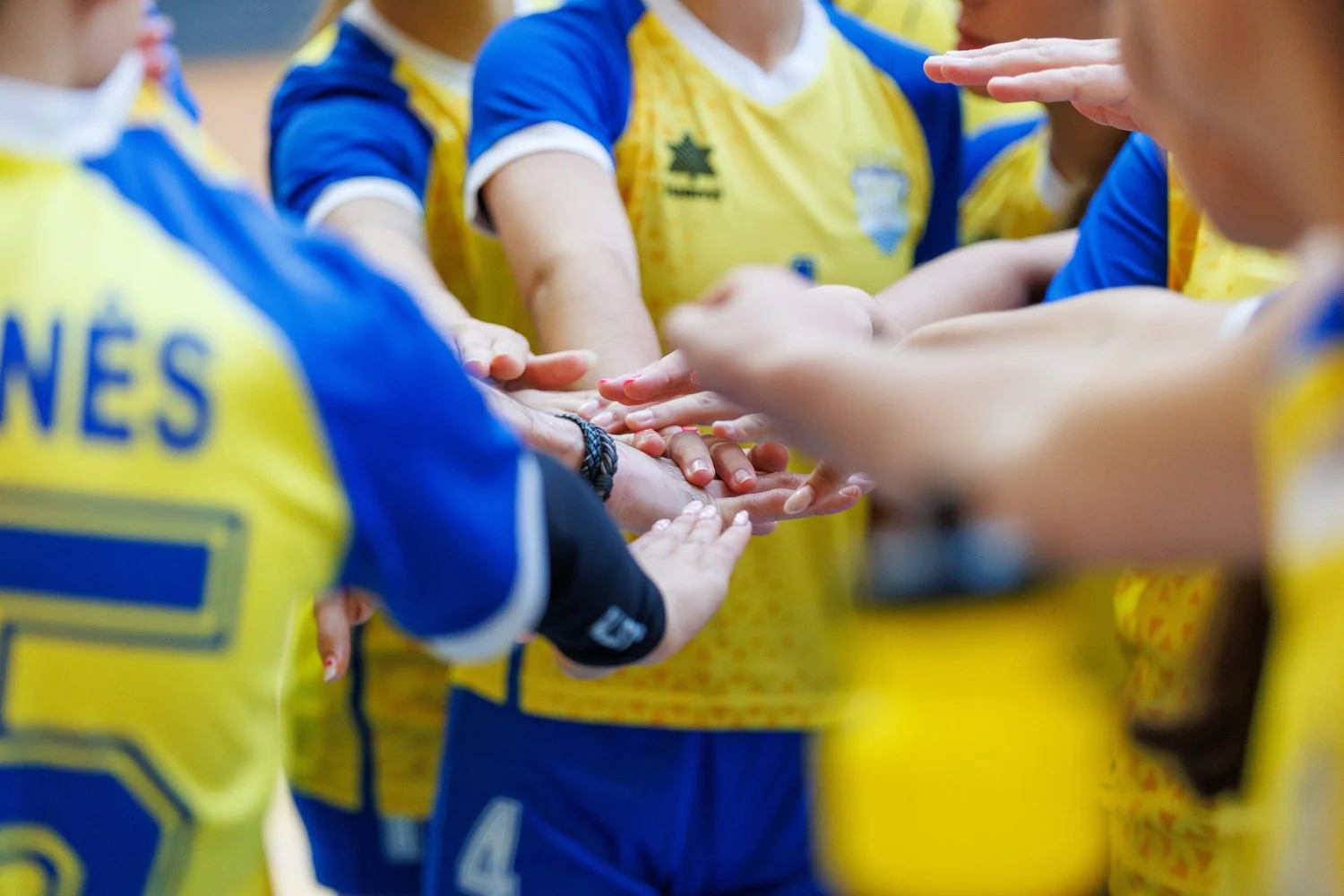
Taking time to reflect together helps squads understand how they function as a group. How communication held up under stress. How leadership emerged, or failed to emerge, at key moments. How players supported one another when things didn’t go as planned.
These conversations strengthen trust. They also create a shared language around improvement. When teams reflect openly, they reduce blame and increase responsibility. The focus shifts from who made mistakes to what the group can learn.
This kind of awareness becomes especially important when teams travel, compete internationally or face unfamiliar environments. Reflection helps them carry lessons forward rather than leaving them behind.
Reflection Encourages Emotional Growth, Not Just Performance Gains
Sport is often measured in results, yet its deepest impact is emotional. Confidence gained after a difficult match. Resilience built through disappointment. Belonging formed during shared experiences away from home.
Reflection gives space to acknowledge these elements. It allows athletes to recognise growth that does not appear on a scoreboard. For younger players in particular, this process supports emotional intelligence, self-awareness and long-term engagement with sport.
By naming what was challenging and what was meaningful, athletes learn to understand themselves better. They become more equipped to handle pressure, uncertainty and change in future situations.
Why Reflection Matters at the Turn of the Year
The beginning of January carries a different kind of clarity. The pace slows briefly, routines reset, and perspective widens. This makes it an ideal time to reflect without the noise of immediate competition.
Rather than rushing straight into new objectives, teams benefit from first asking what the past year revealed. Which habits supported progress? Which demands proved unrealistic? What moments brought the group together? What experiences challenged comfort zones in useful ways?
Reflection at this stage doesn’t delay progress. It strengthens it. Goals set without reflection are often based on assumption. Goals shaped by reflection are grounded in reality.
From Reflection to Direction
Reflection is not about staying in the past. Its purpose is direction.
When teams reflect well, the future becomes clearer. Training plans align more closely with actual needs. Travel and competition choices feel more intentional. Communication improves because it is based on understanding rather than reaction.
This process also helps teams recognise what they want more of, and what they may need less of, in the year ahead. More challenge. More balance. More connection. Or perhaps more simplicity.
A Practice Worth Keeping All Year
While the start of a new year is a natural moment to pause, reflection should not be confined to a single date on the calendar. The most successful teams build it into their culture. Short conversations after tournaments. Honest reviews after tours. Space for feedback after intense periods.
When reflection becomes habitual, learning accelerates. Growth feels continuous rather than seasonal.
Moving Forward With Intention
Looking back is not a sign of hesitation. It is a sign of maturity.
As teams and athletes step into a new year, the most meaningful progress often begins with understanding the journey already travelled. Reflection brings clarity, connection and purpose. It ensures that what comes next is not just new, but better informed.
In sport, moving forward starts with knowing where you’ve been.