
What Team Managers Should Ask Before Booking a Sports Tour Abroad
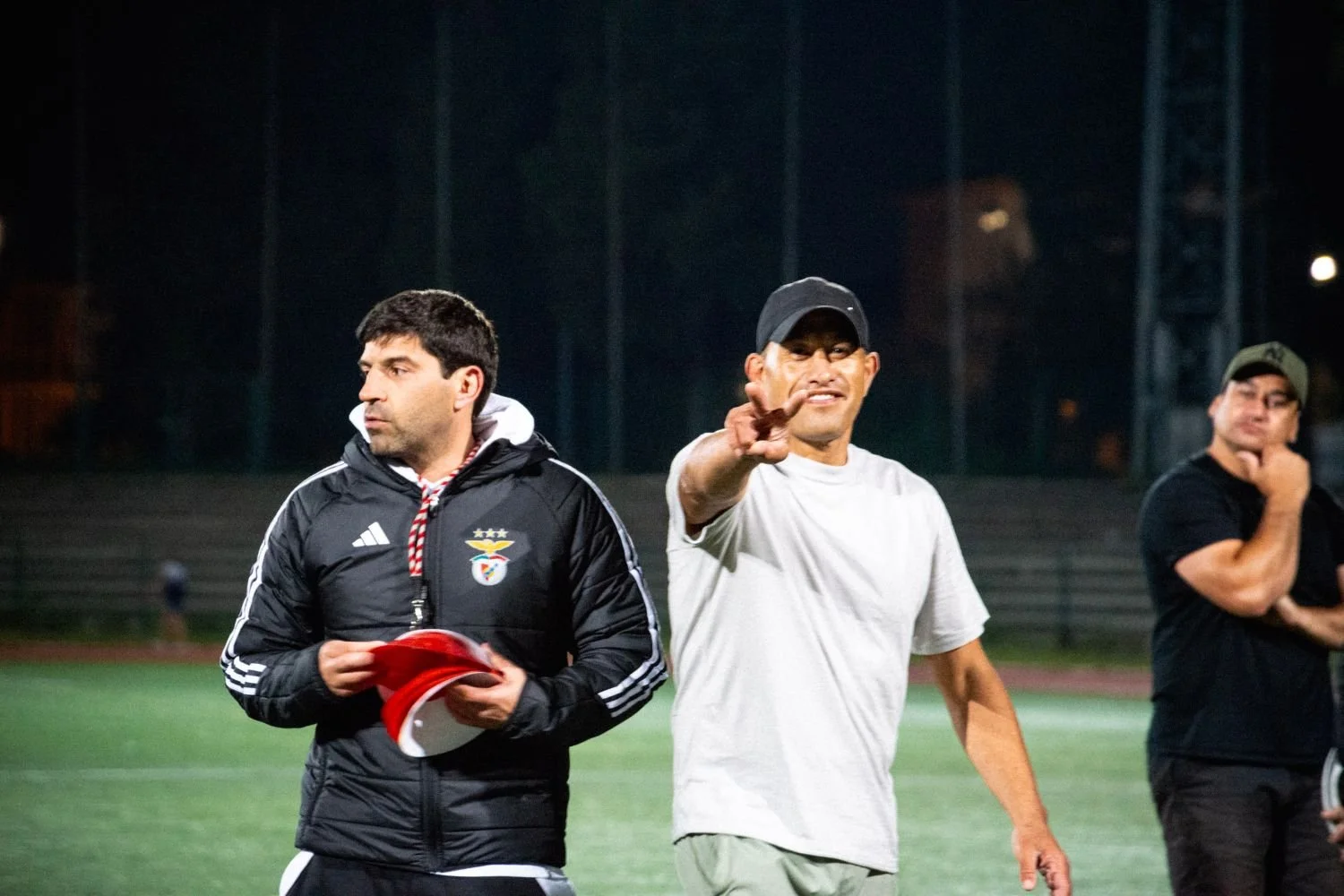
Booking a sports tour abroad is an exciting opportunity for any team, but for the team manager, it also comes with a long list of responsibilities.
A sports tour is not only about choosing a destination and confirming travel dates. It involves players, coaches, families, club expectations, documents, schedules, transport, accommodation, meals, training facilities, friendly matches, safety, communication and the overall experience of the group.
For players, the tour should feel smooth, enjoyable and well organised.
For coaches, it should provide the right environment to train, compete and strengthen the group.
For the team manager, it should not become a constant exercise in solving problems in an unfamiliar country.
That is why asking the right questions before booking a sports tour abroad matters. But questions alone are not enough. What matters is whether there are clear answers, reliable solutions and experienced people on the ground who can turn those answers into a well-structured programme.
The Role of the Team Manager
The team manager is often the person who holds the tour together before it even begins.
Their role can include coordinating information between the club, coaches, players and families; checking travel documents; managing payments or rooming details; sharing schedules; confirming equipment needs; supporting safeguarding procedures; keeping emergency contacts available; helping with communication during the trip; and making sure the group understands what is happening and when.
In youth teams, this role can become even more demanding because parents and guardians naturally need clear information and reassurance. In adult or senior teams, the team manager may also need to coordinate with club directors, coaching staff, sponsors or other stakeholders.
In other words, the team manager already has enough to manage.
A good local specialist sports travel Provider should reduce the operational burden, not add to it. Their role is to take care of the destination-specific logistics, provide trusted local knowledge and make the practical side of the tour feel manageable.
This allows the team manager to focus on what only they can do: support the group, communicate with their own club community and help the coaches and players make the most of the experience.
What Is the Main Purpose of the Tour?
The first question should always be: what do we want this tour to achieve?
Some teams travel because they want a focused training camp. Others want friendly matches against international opposition. Some are looking for a broader sports tour that combines competition, team bonding and cultural experiences. Many teams want a balance between all of these.
This matters because the purpose of the tour should shape the entire programme.
A senior team preparing for a season may need high-quality facilities, structured training time and competitive matches. A youth team travelling abroad for the first time may need a more balanced schedule, with sport, supervision, cultural visits and enough rest. A school or academy group may also value educational experiences and activities outside the sporting programme.
This is where a trusted partner in the destination can help turn a general idea into a realistic itinerary. At Move Sports, for example, the process starts by understanding the group: the sport, age group, level, travel dates, objectives, preferred rhythm and expectations. From there, the programme can be built around the team’s real needs rather than forcing every group into the same format.
Are the Facilities Suitable for the Team?
Training facilities are one of the most important parts of any sports tour abroad.
A venue may look good online, but team managers need more than photos. They need to know whether the facilities are suitable for the sport, age group, level and purpose of the trip.
For football and rugby teams, this may involve pitch quality, surface type, dimensions, changing rooms, equipment and distance from the hotel. For basketball and volleyball teams, court conditions, flooring, lighting and availability are essential. For swimming or athletics groups, access times, lane availability, track conditions and technical requirements can define the quality of the training experience.
The question is not simply whether a facility exists. The question is whether it makes sense for that specific team.
This is one of the advantages of working with specialists based in the destination. Local organisers know which venues are reliable, which ones work better for certain sports, how long transfers really take and whether the facility is appropriate for the group’s expectations.
For the team manager, that means fewer unknowns and fewer last-minute surprises.
How Are Friendly Matches Selected?
Friendly matches are often one of the highlights of a sports tour, but they only work well when the level is properly matched.
A match that is too easy offers little value. A match that is too difficult can become frustrating, especially for younger teams. The best fixtures are those that challenge the travelling team while still creating a positive and meaningful experience.
This is why team managers should ask how opposition is selected. What information is used to assess the team’s level? Does the organiser consider age group, competitive background, physical profile, season timing and the purpose of the match? Is the aim to test tactics, provide international exposure, prepare for competition or simply give players the experience of facing a different style?
A local experienced sports tour operator should not just “find an opponent”. They should find the right type of opponent.
Move Sports’ role in this process is to use local knowledge and sporting contacts to identify teams that fit the group’s profile. That does not mean every match will be predictable, because sport never is. But it does mean the fixture is planned with the team’s objectives in mind.
For coaches, that creates better sporting value.
For team managers, it reduces uncertainty.
Is the Schedule Realistic?
A sports tour can quickly become too full.
It is easy to add training sessions, matches, cultural visits, stadium tours, group meals and activities until the programme looks impressive on paper but exhausting in practice.
A realistic schedule is one of the most important signs of a well-planned tour.
Teams need time to train, compete, recover, eat properly, travel between locations and enjoy the destination. Young athletes also need structure and rest. Coaches need space to brief the group, adjust plans and manage energy levels. Team managers need enough clarity to keep everyone informed without constantly rushing.
This is where experience makes a difference.
A local sports tour specialist understands distances, traffic patterns, venue timings, restaurant logistics and how long activities actually take with a group. That practical knowledge helps build a schedule that feels complete without overwhelming the team.
The best sports tours are not the ones where every minute is filled. They are the ones where the rhythm makes sense.
What Support Will Be Available on the Ground?
When a team travels abroad, local support is essential.
Even with careful planning, small adjustments happen. A transfer time may need to change. A player may feel unwell. A training session may need confirmation. A restaurant may need to adapt a meal time. A coach may ask for an extra detail about the venue.
These situations do not need to become stressful if there is someone local managing the operational side.
Team managers should ask who will support the group during the tour, how communication will work and what happens if something changes. Is there a local contact? Will someone meet the group on arrival? Who coordinates with venues, suppliers, transport providers and activity partners?
This is one of the areas where working with a local sports travel partner can make the biggest difference. The team manager should not have to spend the tour chasing suppliers, translating details or trying to solve local issues alone.
Their focus should remain on the group.
Is Accommodation Suitable for a Sports Group?
Accommodation affects the entire experience of a tour.
A hotel may be attractive for regular tourists but inconvenient for a team if it is too far from the venues, unsuitable for group meals or not prepared for sports equipment, early departures or rooming requirements.
Team managers should ask about location, room types, meal arrangements, supervision needs, meeting spaces and transfer times. For youth teams, safeguarding and rooming structures are especially important. For senior teams, comfort, recovery and convenience may carry more weight.
A good local partner should propose accommodation that fits the group’s profile, not just accommodation that is available.
In practice, this means considering how the hotel works with the full programme: training times, match days, activities, meals, transport and rest periods. When accommodation is chosen well, the whole tour feels easier.
Are Meals Planned Around the Programme?
Meals are sometimes treated as a detail, but they have a direct impact on the rhythm of a sports tour.
Teams need reliable meals at the right times, with options that suit athletes and accommodate dietary requirements where possible. Meal timing should work around training sessions, matches, transfers and activities.
For team managers, this is another area where local support is valuable. Instead of having to find suitable restaurants, negotiate group menus or solve timing issues during the trip, these details can be planned in advance.
A sports tour does not need to become overly complicated from a nutrition perspective, but meals should be practical, appropriate and dependable.
When this works well, nobody talks about it.
That is usually a good sign.
What Experiences Beyond Sport Add Value?
A sports tour abroad should keep sport at the centre, but the experience outside training and matches often becomes one of the most memorable parts of the trip.
The right activities help teams discover the destination, spend time together and build stronger group connections. Depending on the team, this could include cultural visits, stadium tours, surf clinics, boat trips, local experiences or other group activities.
The important point is that these activities should fit the group. A youth team, a senior squad, a school group and an adult amateur team may all want different types of experiences.
A local organiser can recommend activities that make sense for the age, schedule, location and energy levels of the group. This helps avoid random extras and creates a programme where the moments off the pitch support the overall purpose of the tour.
What Is Included in the Proposal?
Clarity is essential before any sports tour is confirmed.
Team managers should understand exactly what is included in the proposal and what is not. Accommodation, meals, transfers, training sessions, friendly matches, venue hire, activities, local support, taxes and additional services should be clearly identified.
This avoids confusion later, especially when clubs need to communicate costs to families, players or internal decision-makers.
A transparent proposal also helps the team manager compare options properly. A lower price may not always represent better value if important services are missing or unclear.
Good organisation starts before the team arrives.
It starts with clear expectations.
Why Local Expertise Matters
The main benefit of working with a specialist partner based in the destination is not simply convenience.
It is confidence.
Team managers still retain their essential role within the group. They remain the point of connection between the club, coaches, players and families. They continue to manage internal communication, expectations, behaviour, documents and the team’s own routines.
But they do not need to manage the destination alone.
Local expertise helps with the parts that are difficult to control from abroad: venue selection, friendly matches, transport, supplier coordination, activity planning, realistic schedules and on-the-ground support.
For a team travelling to Portugal, this can make the difference between a tour that feels improvised and a tour that feels professionally managed.
At Move Sports, the goal is to create sports tours that allow teams to focus on the experience itself. Coaches can focus on the players. Athletes can focus on training, competing and enjoying the trip. Team managers can focus on supporting their group, knowing that the local operational details are being handled.
A Sports Tour Should Feel Well Organised
A sports tour abroad can become one of the most valuable experiences a team shares.
It can strengthen relationships, expose players to different styles of play, create memorable moments and give the group the chance to experience sport in a different country.
But for that to happen, the structure behind the tour needs to be right.
The questions a team manager asks before booking are important because they reveal whether the programme has been properly thought through. Facilities, matches, accommodation, meals, transport, activities and support all shape the final experience.
When those elements are well planned, the tour feels smoother, calmer and more enjoyable for everyone involved.
And that is what a good sports tour organiser should provide.
Not just a destination.
A well-managed experience that allows the team to travel, train, compete and enjoy the journey with confidence.