
Why Sport Is Becoming One of the Most Powerful Soft Power Tools in the World
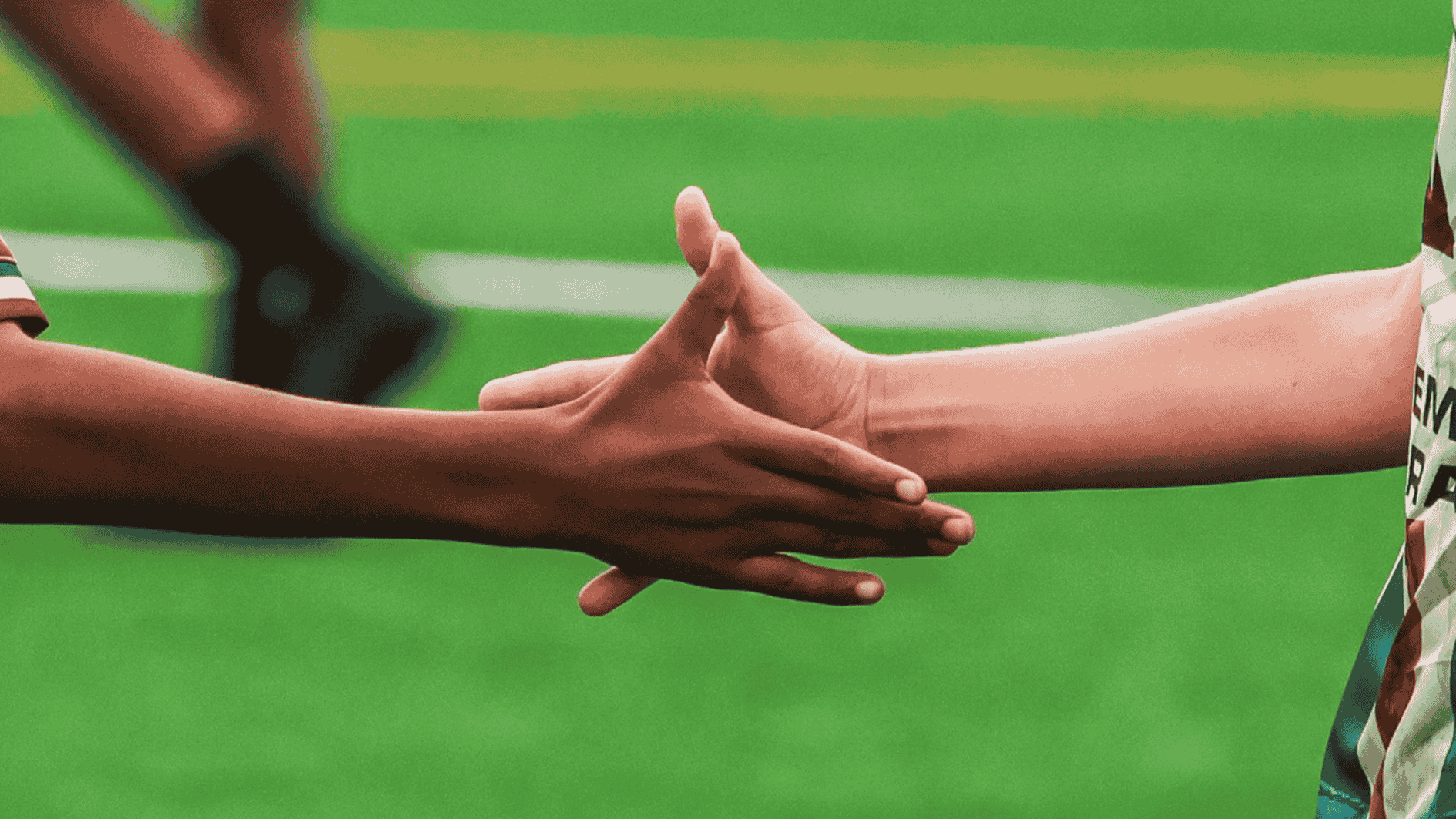
In recent decades, sport has moved far beyond stadiums and scoreboards. It has become a strategic instrument of influence, diplomacy and national positioning. Governments increasingly recognise that sport is not only a cultural activity or economic sector, but a form of soft power capable of shaping international perception and strengthening global relationships.
From Olympic bids to grassroots exchanges, sport is now firmly embedded in the diplomatic playbook of modern nations.
What Is Soft Power, and Why Does Sport Fit So Naturally?
The concept of “soft power”, popularised by political scientist Joseph Nye, refers to the ability of a country to influence others through attraction rather than coercion. Culture, values, education and diplomacy all contribute to this form of influence.
Sport fits naturally into this framework. It transcends language barriers, generates emotional connection and creates shared experiences between nations. Unlike political discourse, sport often provides a neutral platform where countries can interact without ideological confrontation.
When national teams compete abroad, when cities host international tournaments, or when athletes become global icons, they carry with them a representation of their country’s culture, professionalism and values.
Mega Events as Diplomatic Platforms
Major international sporting events have become powerful stages for national branding.
Hosting tournaments such as the Olympic Games, FIFA World Cup, or continental championships allows countries to project an image of organisation, hospitality, infrastructure and modernity. The opening ceremonies alone often function as carefully designed narratives about history, culture and national identity.
These events attract global media attention, tourism flows and international investment interest. For emerging economies, sport can serve as a fast-track mechanism to gain visibility on the world stage.
At the same time, established nations use sport to reinforce their leadership in innovation, sustainability and event management.
Beyond Mega Events: Everyday Sports Diplomacy
Soft power through sport is not limited to large-scale events.
International youth tournaments, training camps and exchange programmes often have a quieter but equally meaningful diplomatic effect. When young athletes travel abroad, they build cross-cultural understanding at an early age. Clubs and federations establish relationships that may last decades.
These interactions contribute to people-to-people diplomacy, one of the most stable forms of international connection. While political alliances may shift, shared sporting experiences often create long-term networks of trust and collaboration.
In this sense, even mid-scale or grassroots events can carry diplomatic significance.
Athletes as Global Ambassadors
Elite athletes frequently become unofficial ambassadors for their countries.
Through media exposure, social platforms and international competition, athletes shape how nations are perceived. Their conduct, achievements and narratives influence global audiences in ways traditional diplomatic channels cannot replicate.
Consider how national teams can redefine global perception. Sporting success can generate pride domestically while reshaping external narratives about a country’s resilience, unity or progress.
Athletes also increasingly engage in social causes, further expanding the diplomatic dimension of sport.
The Economic and Strategic Layer
Sport-driven soft power is not purely symbolic. It often has tangible economic and strategic outcomes.
Countries that position themselves as reliable hosts for international sport strengthen their sports tourism sector, attract training camps and increase year-round visitor flows. Well-managed events enhance investor confidence and demonstrate organisational capacity.
Sport also contributes to internal cohesion. National pride built around shared sporting moments can strengthen collective identity, which in turn supports broader social stability.
In this way, sport operates simultaneously on emotional, economic and political levels.
Risks and Complexities
However, the use of sport as a diplomatic tool is not without challenges.
Mega events can attract scrutiny regarding sustainability, labour practices or human rights. Political tensions can spill into sporting arenas. Boycotts and controversies remind us that sport is never entirely detached from geopolitics.
For sport to function as positive soft power, it must be aligned with credible values, transparency and responsible governance.
A New Era of Sporting Influence
As global competition for attention intensifies, countries increasingly seek platforms that combine visibility with emotional resonance. Sport offers both.
In an interconnected world, images from stadiums travel instantly across continents. A well-executed event, a respectful exchange between teams, or a moment of sporting excellence can influence perception more effectively than formal diplomacy.
This explains why governments invest heavily in sport infrastructure, event hosting strategies and international partnerships.
Why This Matters for the Future of International Sport
The growing role of sport as soft power reshapes how events are designed and delivered. Organisers are no longer managing competition alone; they are curating national narratives and international experiences.
For participants, whether elite professionals or youth athletes, international sport increasingly represents more than competition. It becomes part of a wider story about identity, connection and global engagement.
As sport continues to bridge cultures and communities, its influence beyond the field is likely to grow. In a world often divided by politics and ideology, sport remains one of the few arenas where rivalry and respect can coexist, and where influence is built not through force, but through shared experience.