
Corporate Sports Events in Action: Inside the 2026 P&G World Cup in Morocco
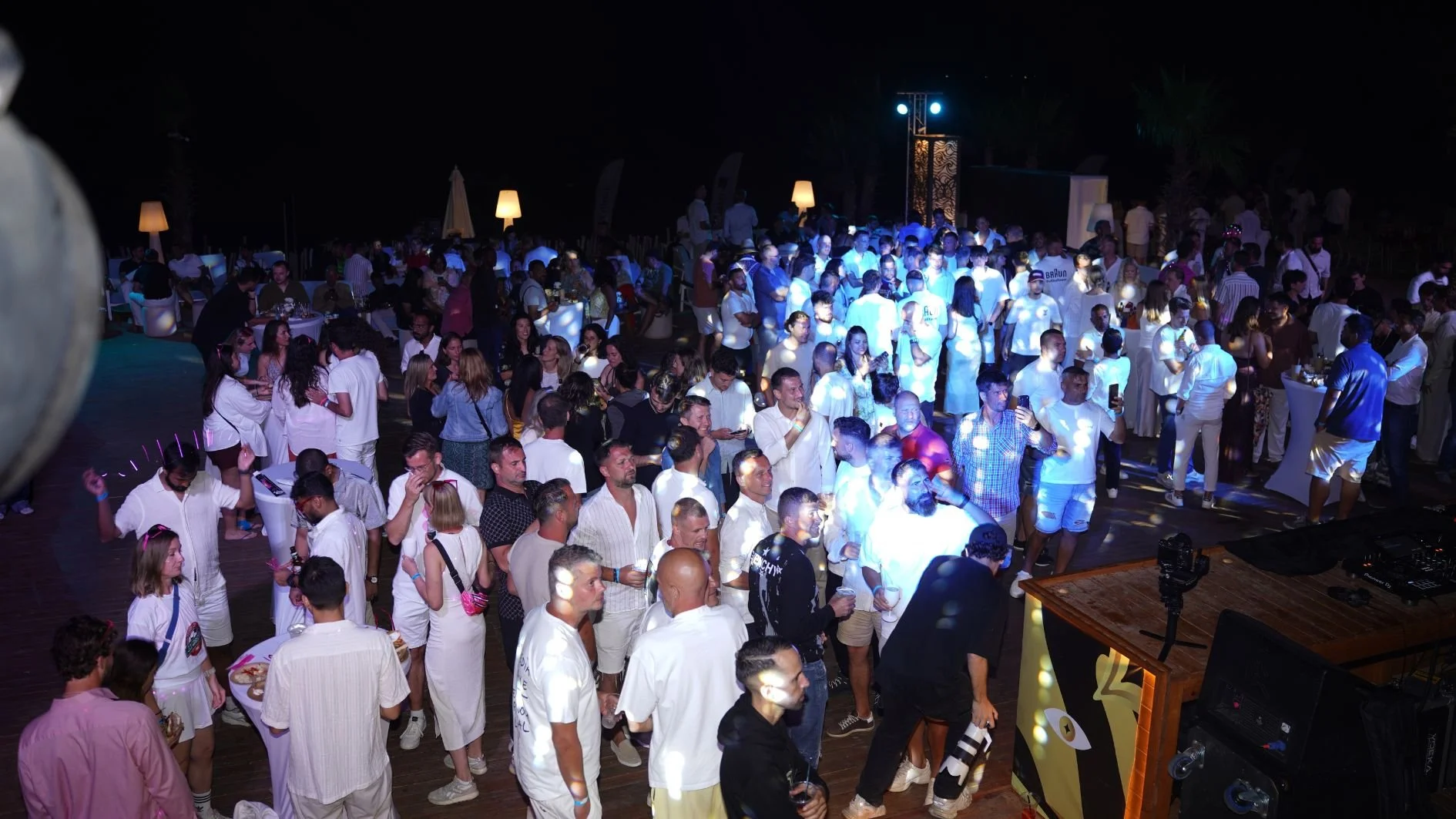
Bringing around 700 people from 16 countries to the same destination is already a considerable logistical operation. Adding 39 football teams, two days of competition, accommodation, ceremonies, entertainment, social events and a solidarity initiative turns it into something much larger than a company gathering.
From 17 to 20 September 2026, Morocco’s Atlantic coast welcomed the P&G World Cup, Procter & Gamble’s global football tournament, organised by Move Sports.
Twenty-five men’s teams and 14 women’s teams travelled from Canada, Brazil, Costa Rica, Russia, France, Switzerland, Germany, Poland, Greece, Spain, Hungary, the United Kingdom, the United States, Sweden, Romania and Belgium.
For four days, colleagues who normally work thousands of kilometres apart shared the same hotel, football pitches and social programme.
Football provided the structure. The wider experience gave the event its character.
When a corporate event becomes an international meeting point
Corporate events can serve very different purposes. Some are designed around meetings and presentations, others around recognition, team building, networking or celebration.
Large international corporate events add another element: they bring together people who may belong to the same organisation but rarely occupy the same physical space.
That changes the role of the event itself.
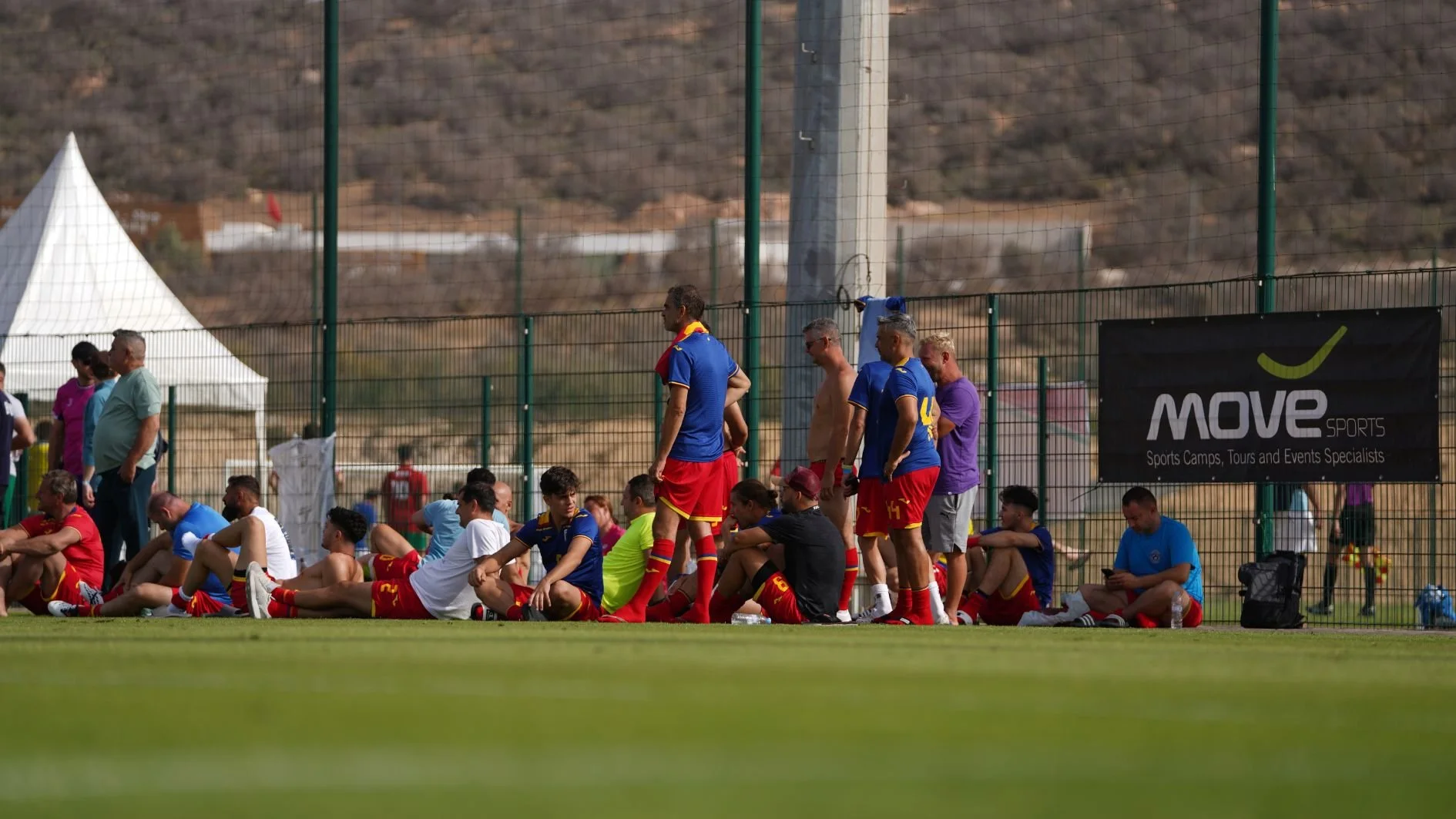
The P&G World Cup brought employees from 16 countries together around a common activity that needed little introduction. Different languages, offices and professional roles became less relevant once teams stepped onto the pitch.
For companies with an international workforce, sport can provide a particularly effective format for this type of interaction. Competition gives the programme energy and structure, but it also creates plenty of informal moments around it: conversations before matches, support from the sidelines, celebrations after a goal and discussions that continue long after the final whistle.
Move Sports already works with this principle across its corporate event activity, creating bespoke sports experiences centred on team spirit, participation and meaningful interaction. With more than 20 years of experience, the company has organised over 50 corporate events for national and international organisations.
The scale of the P&G World Cup provided a particularly clear example of how that approach works when the group becomes global.
Choosing a destination that is part of the experience
For an international corporate event, the destination influences much more than the backdrop for photographs.
Accessibility, hotel capacity, sports infrastructure, climate, hospitality, cultural identity and the possibilities for social events all affect the experience participants have once they arrive.
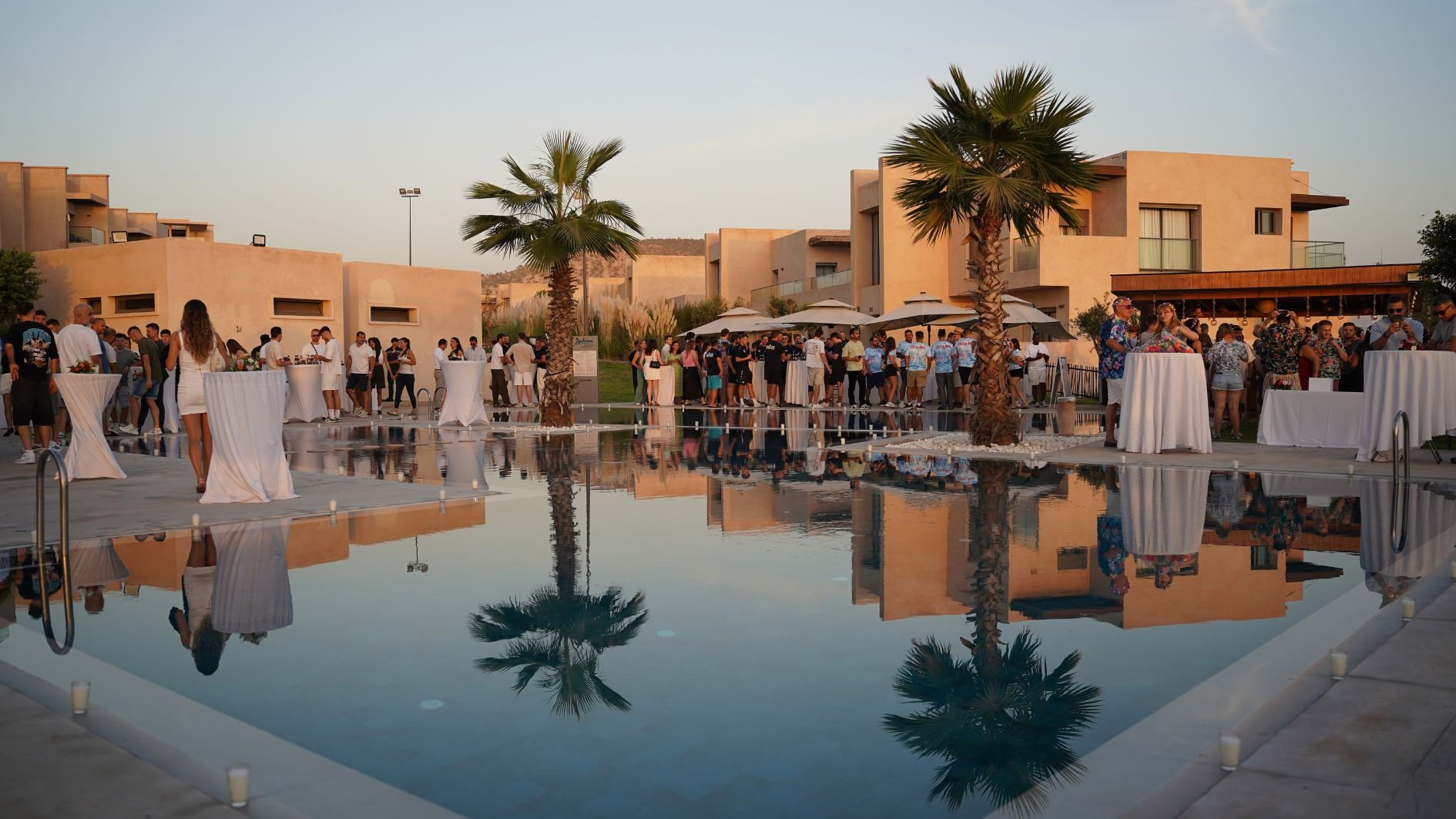
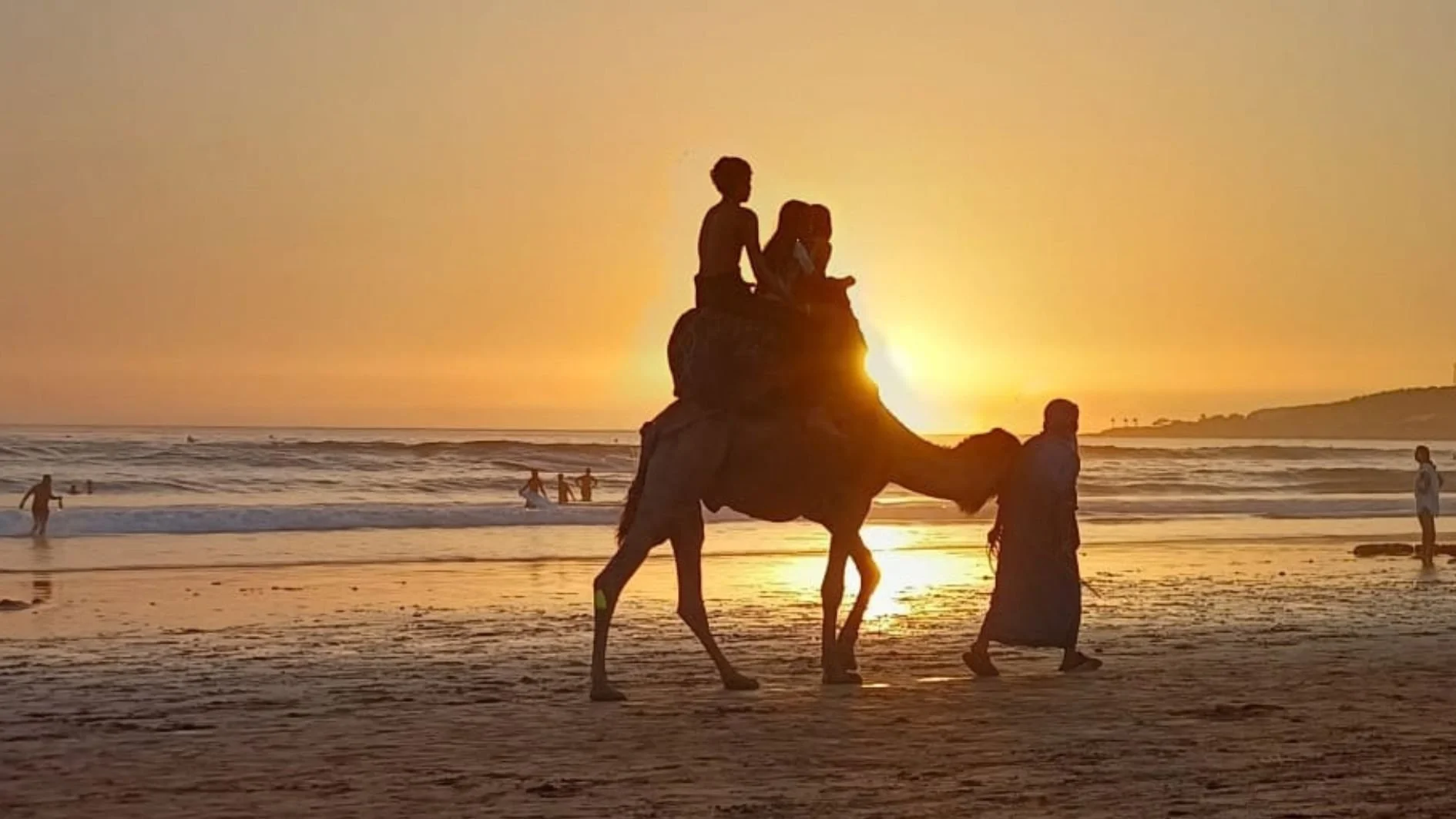
Morocco offered a setting that allowed the tournament and the social programme to exist within the same overall atmosphere.
The participants stayed at a four-star superior beachfront resort, allowing accommodation and the surrounding coastal environment to become part of the event rather than simply a place to sleep between matches.
That environment suited an event where competition needed to sit alongside relaxation, celebration and time for participants to interact away from the football pitches.
It also gave the P&G World Cup a strong local identity.
Starting with Morocco before starting with football
The tournament officially began on 17 September, but the first experience was not a match.
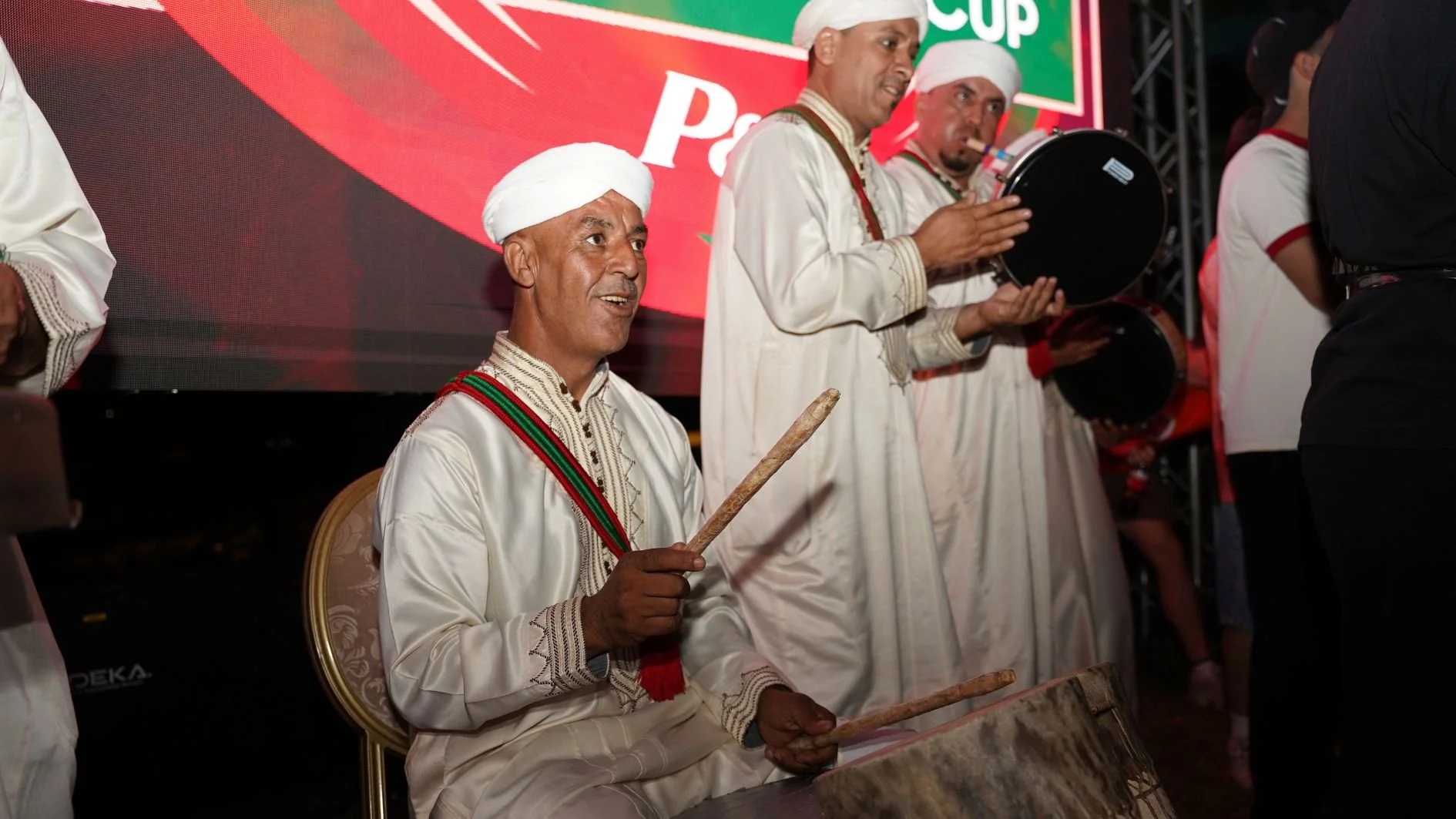
Participants were welcomed with an Opening Cocktail, creating the first opportunity for teams from different countries to meet before competition began the following morning.
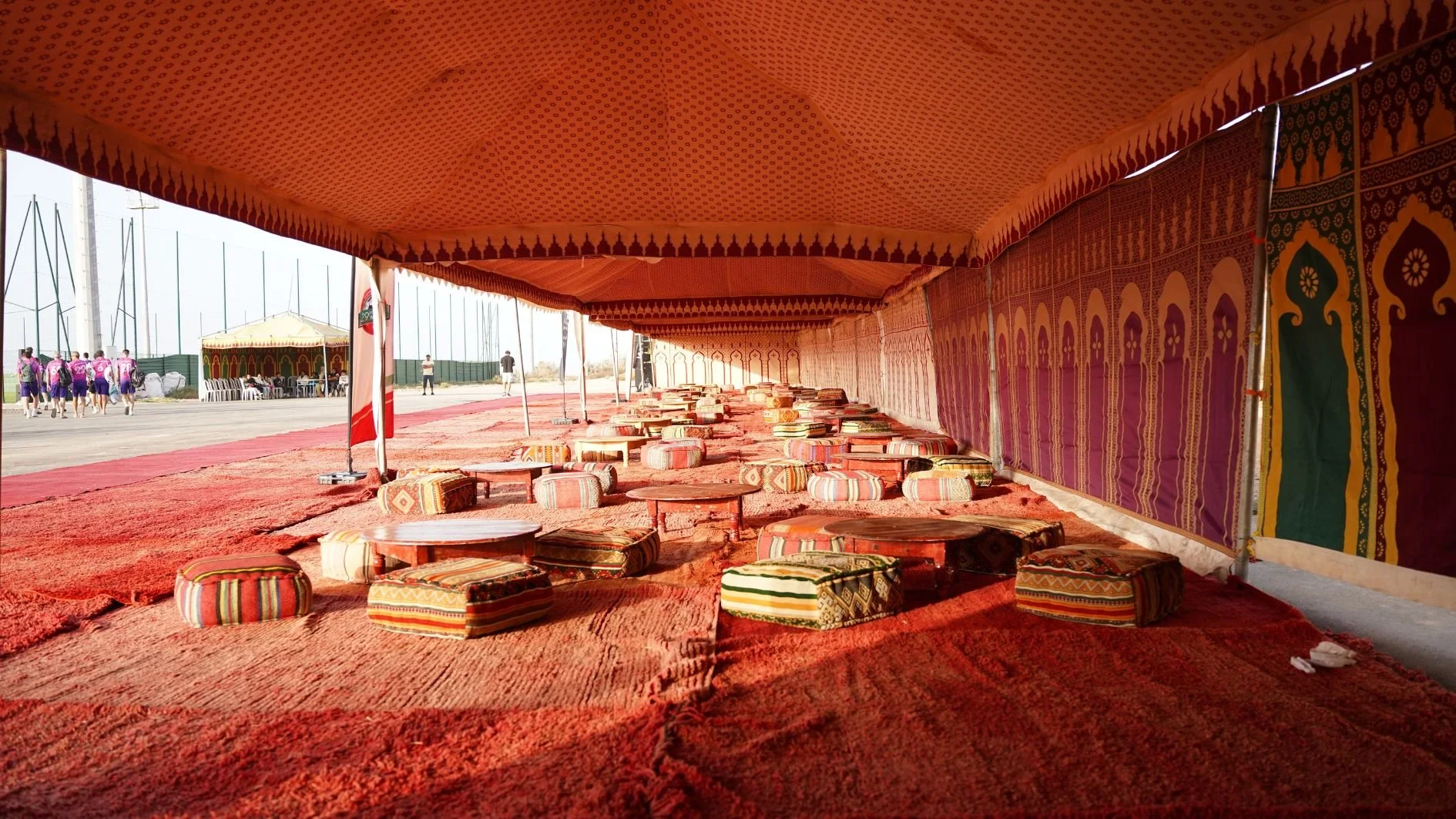
Traditional Moroccan folklore formed part of the evening, introducing the destination into the programme from the outset.
When hundreds of people travel internationally for a corporate event, it can be tempting to reproduce the same format regardless of destination. Yet one of the advantages of taking an event abroad is precisely the opportunity to allow the location to influence the experience.
Moroccan culture was not confined to a decorative theme. Traditional performances, hospitality and the atmosphere of the destination appeared at key moments throughout the programme.
The result was an opening evening that served a practical purpose, welcoming and bringing the group together, while already giving participants a sense that this edition would belong specifically to Morocco.
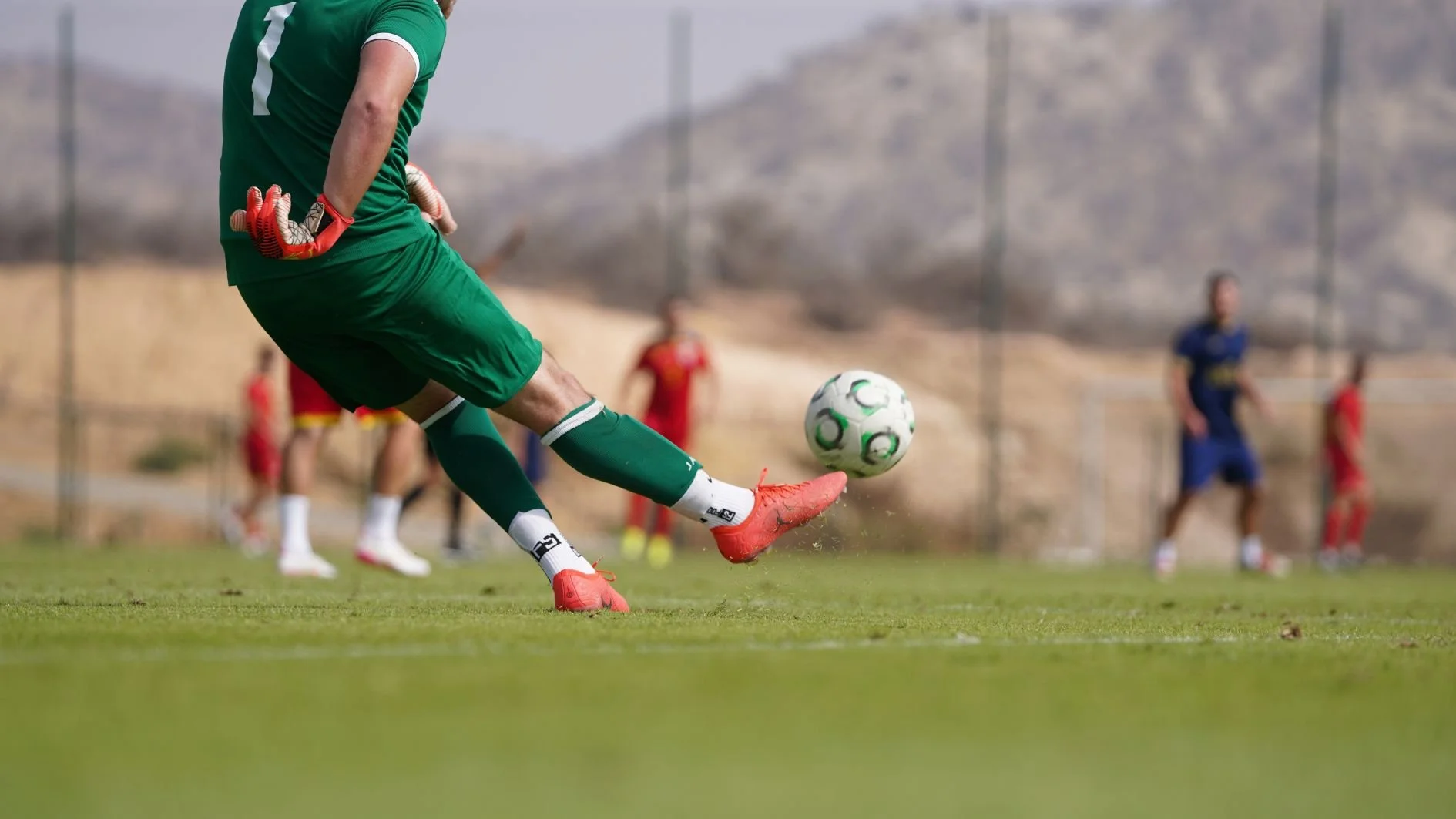
Two days, 39 teams and one global football tournament
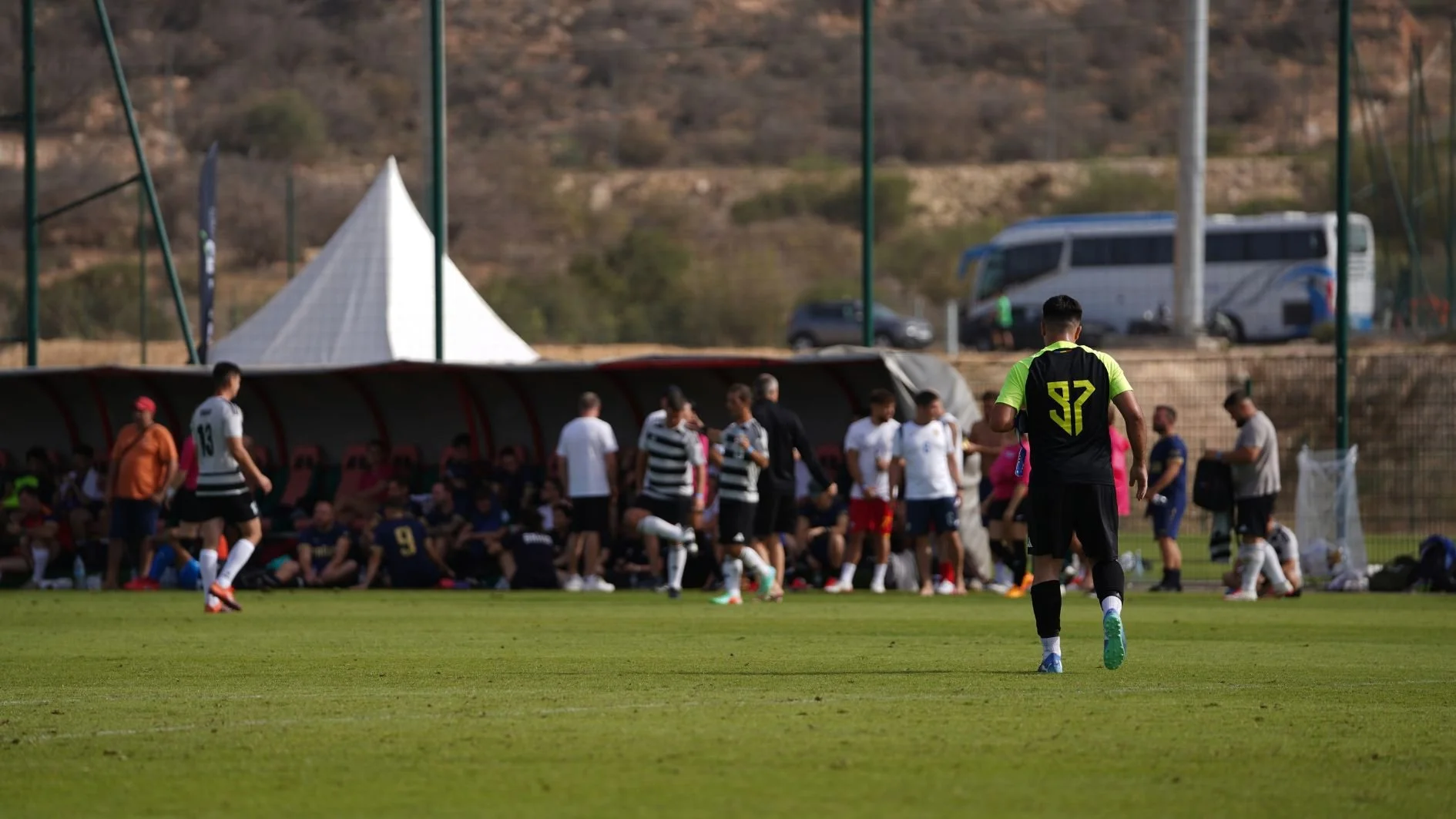
On 18 September, attention moved to the football pitches.
With 25 men’s teams and 14 women’s teams, managing the competition required much more than preparing a fixture list.
A corporate football tournament on this scale depends on multiple operational elements working together: match scheduling, team movement, pitch management, refereeing, participant communication, results, timings, staffing and the ability to respond quickly when adjustments are required.
Those elements are rarely what participants remember afterwards, which is generally a good sign.
When event operations work properly, teams can focus on playing, supporting their colleagues and enjoying the tournament rather than thinking about the organisation behind it.
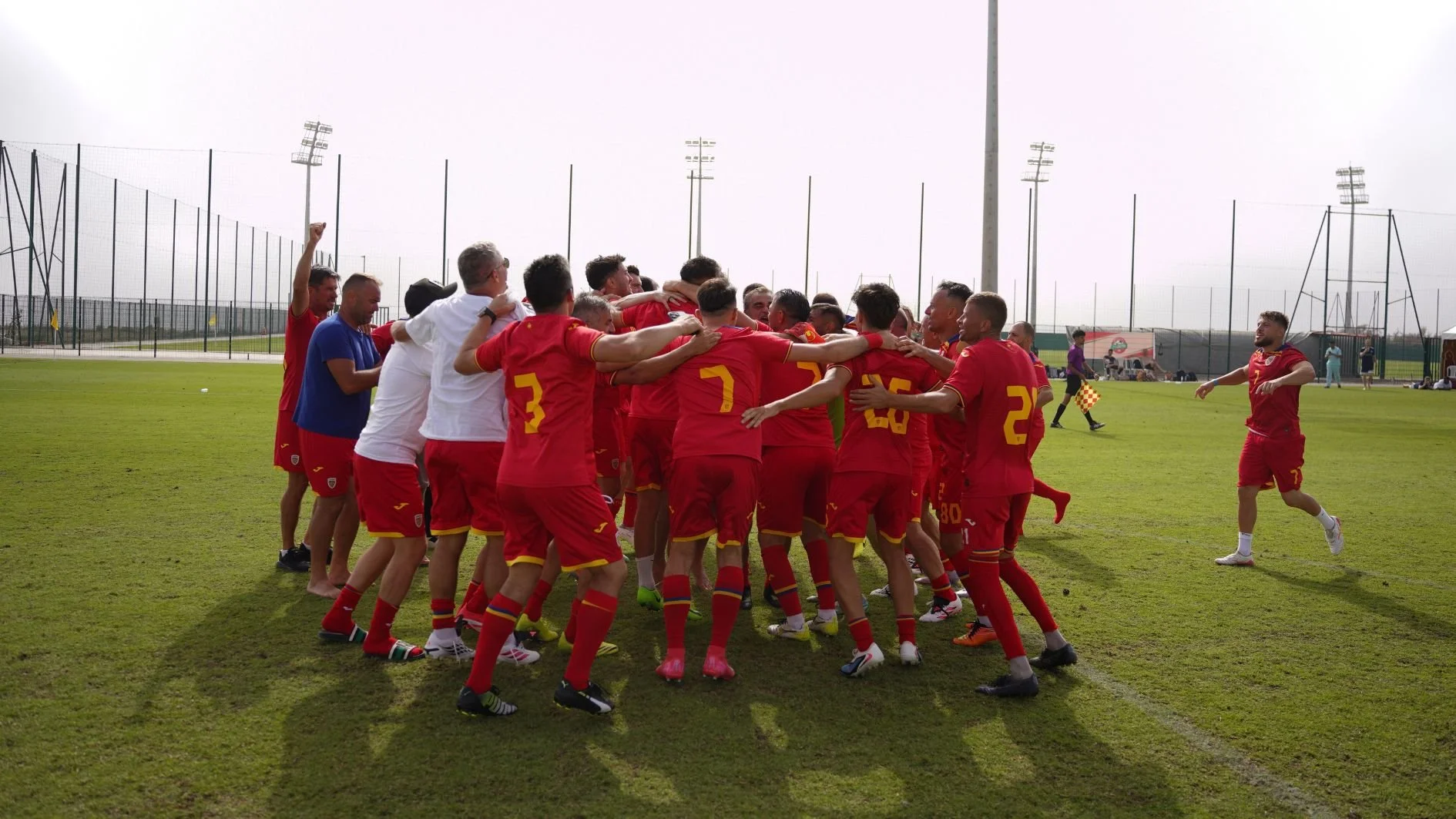
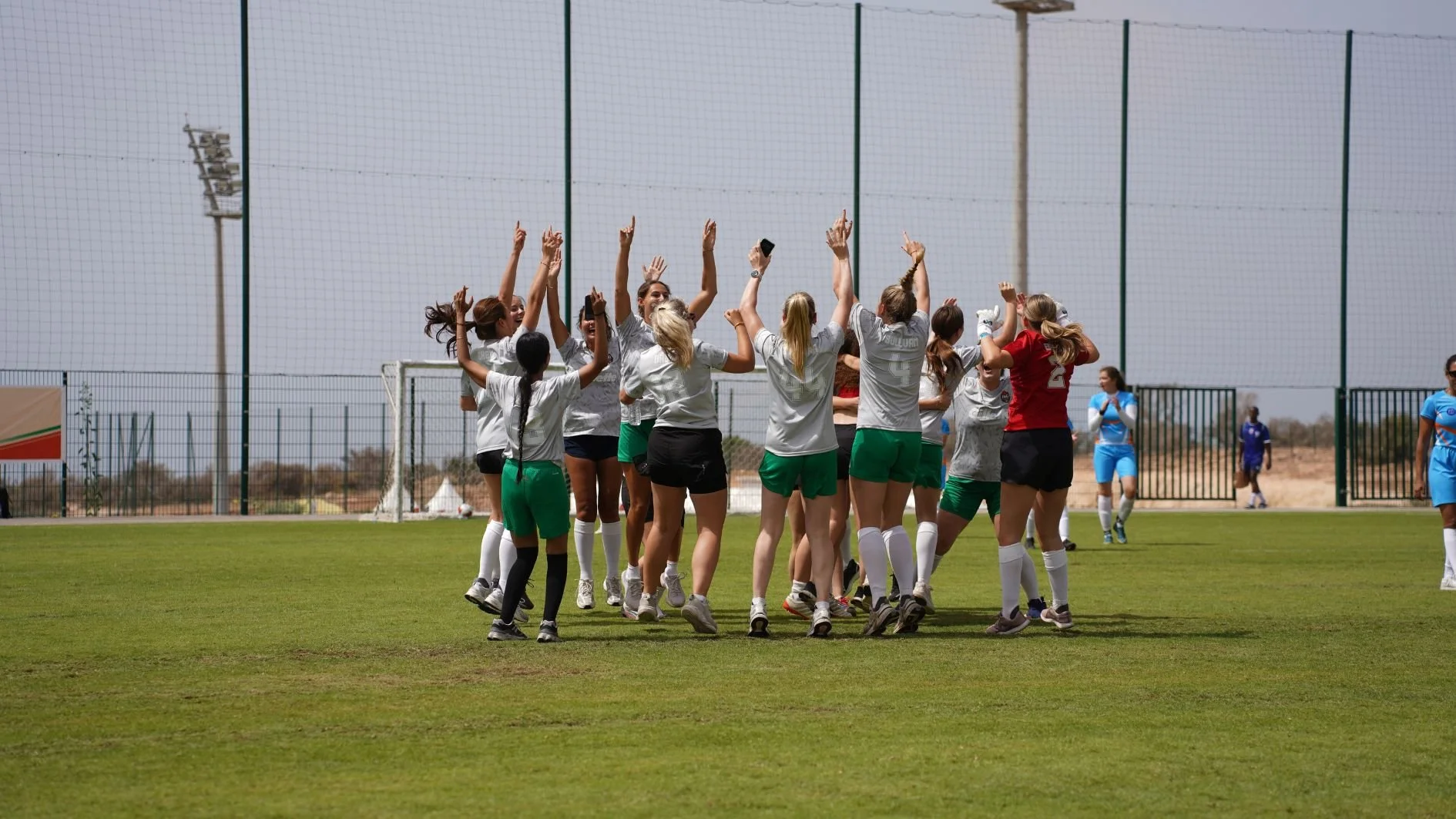
Competition continued on 19 September, bringing two days of football to a close and deciding the 2026 P&G World Cup champions. A team from Romania took the title in the men’s tournament, while a team from Spain emerged as the winner of the women’s competition. Both were later recognised during the awards ceremony at the beachside closing party.
The number of women’s teams was also an important part of the event. Fourteen teams participated in the women’s competition, giving women’s football a substantial presence within the overall P&G World Cup programme.
One participant highlighted this specifically in the feedback shared after the event:
“A big shoutout to all the women’s teams for keeping the love for the game alive and continuing to grow women’s football.”
In a corporate tournament involving colleagues from different countries and backgrounds, participation itself becomes part of the event’s value. The football is competitive, but it also gives employees the opportunity to represent their teams and countries within the company in a very different environment from their everyday professional lives.
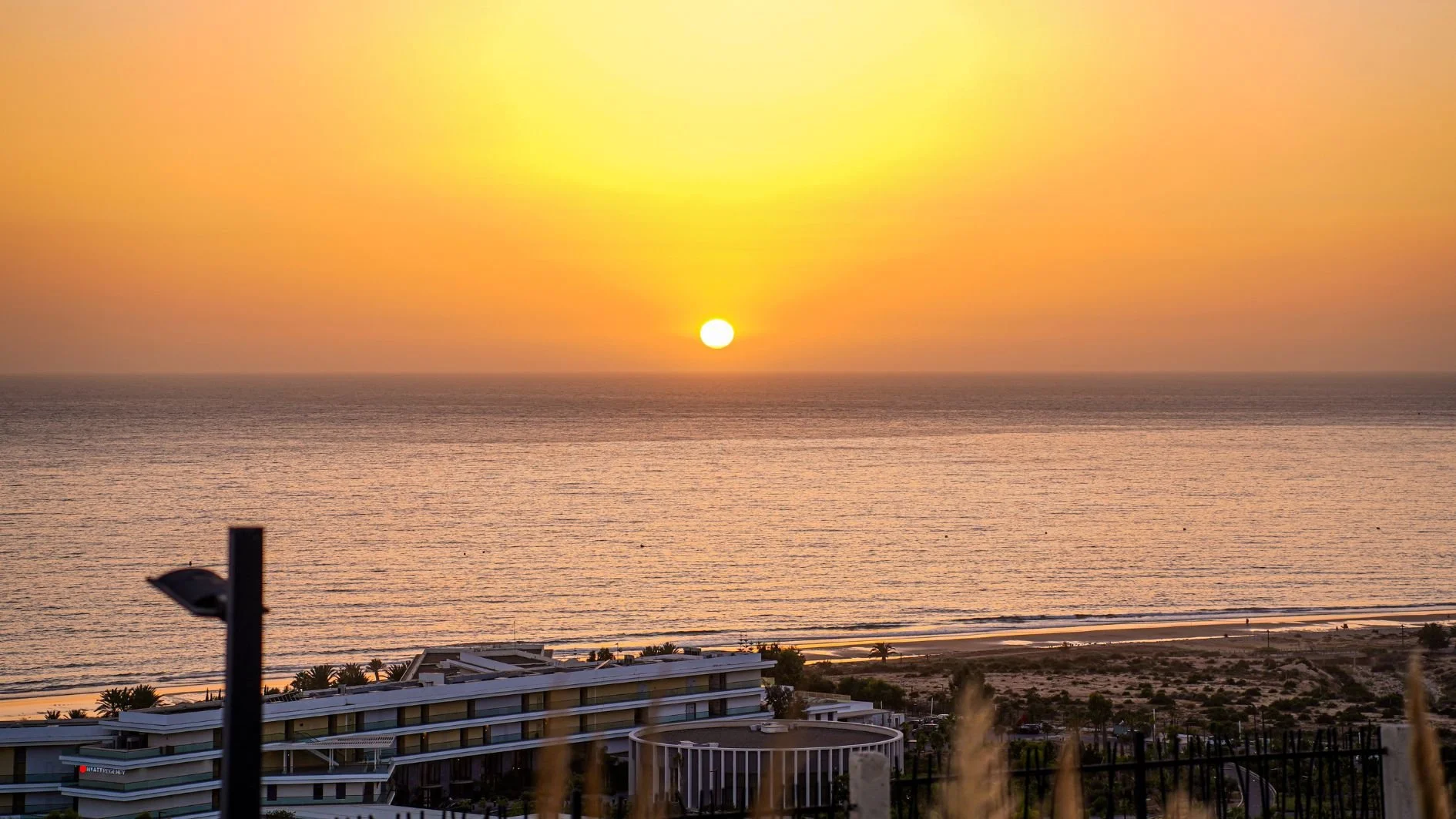
Finishing the tournament beside the Atlantic
Once the final matches had been played, the event changed pace again.
The closing celebration took the form of a beachside party, bringing participants together away from the competitive setting of the previous two days.
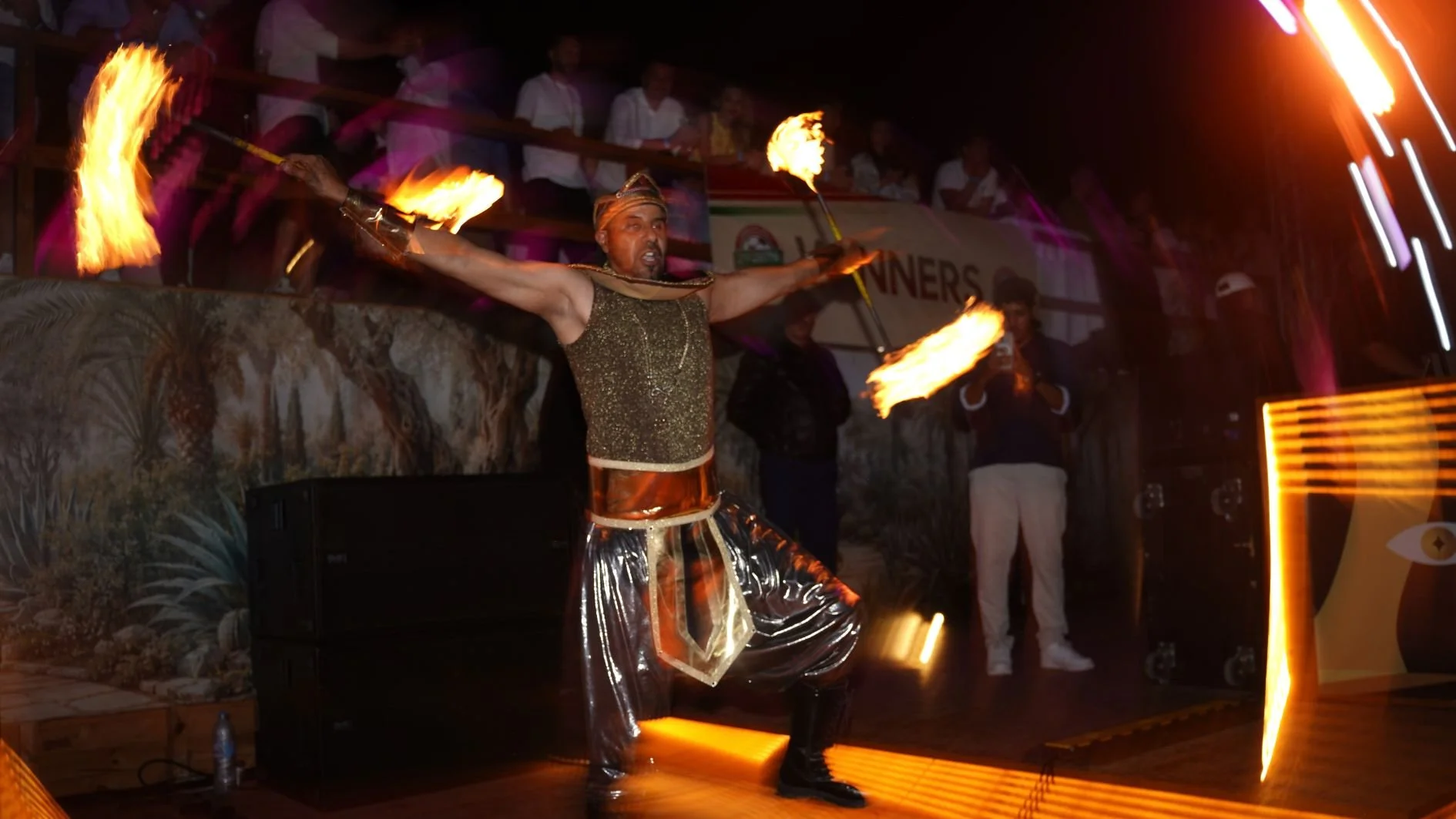
The evening included the awards ceremony, recognising the tournament winners, before moving into a programme combining a DJ, a fire show and another traditional Moroccan folklore performance.
Here again, the destination remained visible.
Rather than ending with an awards presentation in isolation, the ceremony became part of a wider social evening shaped around the beachfront setting and a distinctly Moroccan atmosphere.
This type of transition is important in corporate event design. Competition creates intensity and naturally divides people into teams. A closing event creates the opportunity to bring everyone back together.
Players who had spent the day competing against one another could now share the same celebration.
Adding a solidarity dimension to the event
The P&G World Cup also included an initiative extending beyond the tournament and its participants.
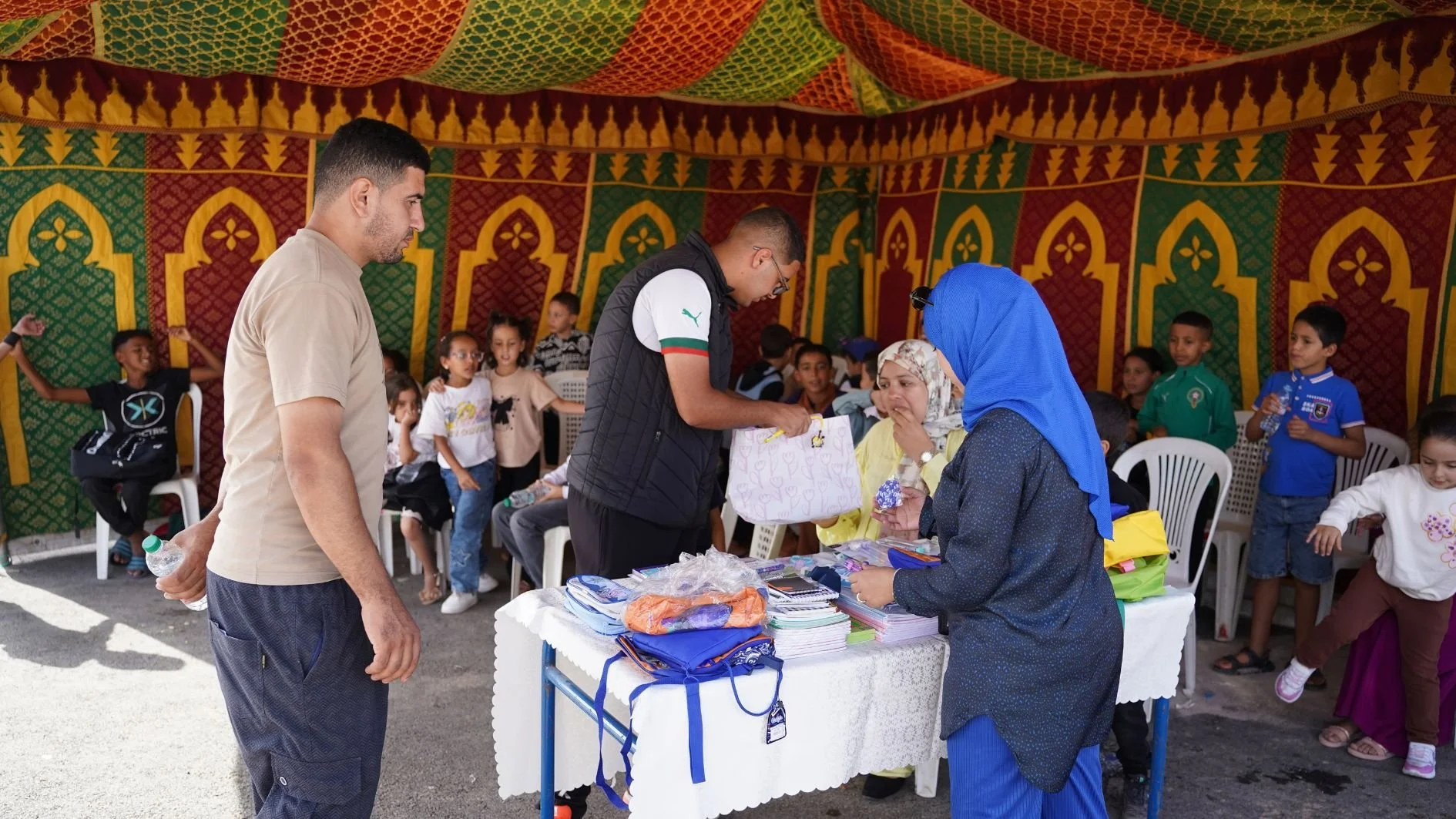
Those attending were invited to bring school supplies, which were collected for donation to a local NGO working with disadvantaged children.
It was a relatively simple action within a much larger event, but one that connected the international group with the community hosting it.
Corporate events increasingly have the opportunity to include this type of local contribution, particularly when employees are travelling to another destination. The format does not need to distract from the main purpose of the event. When properly integrated, it can simply become another part of the experience.
In Morocco, hundreds of participants arrived to play football and spend time together, while also contributing practical materials that could continue to be useful locally after the tournament had ended.
What participants remember after the schedules disappear
Event organisers spend months thinking about logistics that participants may never see.
Hotel arrangements, transport, pitch preparation, suppliers, timings, entertainment, competition management, contingency plans and communication all need to connect. Yet the feedback after an event is rarely about the spreadsheet behind it.
People remember whether everything felt easy.
They remember the place, the people, the atmosphere and whether they enjoyed being there.
Some of the feedback received after the P&G World Cup reflected exactly that:
“Huge thanks to Move Sports! Amazing pitches, great organisation, wonderful hotel and beautiful location! We enjoyed every moment!”
Another participant wrote:
“Thank you so much to Move Sports for organising this amazing event. The hotel, the pitch and the parties were absolutely wonderful. We had once again a great time, and we're looking forward to next year already.”
And another summary was particularly concise:
“Congratulations on making this tournament happen and a brilliant execution. The result was excellent.”
For an event involving around 700 people travelling internationally, those comments speak to several different layers of the organisation at once.
The football mattered. So did the hotel. So did the destination and the parties.
That combination is precisely what distinguishes a complete corporate event from an isolated activity.
Corporate sports events require more than sports expertise
A football tournament may sit at the centre of an event like the P&G World Cup, but delivering it successfully requires knowledge that reaches far beyond football.
An international corporate event organiser must think simultaneously about participants, competition, accommodation, destination management, hospitality, entertainment and logistics.
A match running ten minutes late can influence a transport schedule. A hotel arrangement can affect how teams arrive at the pitches. An awards ceremony needs to work with the final competition timetable. Entertainment suppliers need to fit into the wider production plan. Communication needs to reach hundreds of people arriving from different countries.
Every individual element is connected to another.
This is where Move Sports’ background in both sports event management and international group logistics becomes particularly relevant.
Its wider activity includes tournaments, sports tours, training camps and corporate events, with participants from more than 130 countries having taken part in programmes organised by the company.
The P&G World Cup required those different areas of experience to come together within the same project.
Why sport continues to work for corporate events
There is a reason companies repeatedly return to sport as a format for bringing people together.
A football tournament creates interaction without needing to manufacture it.
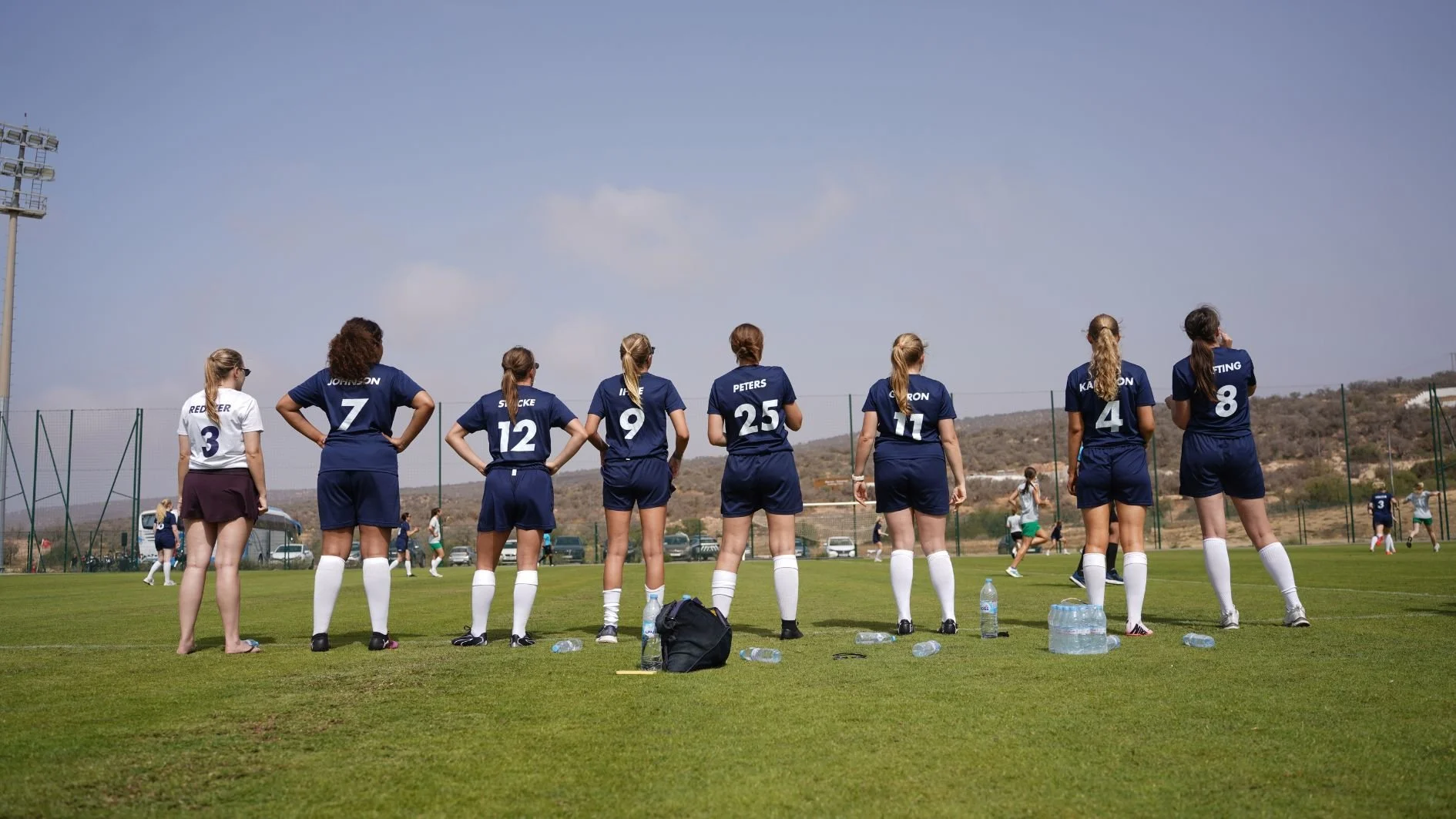
Teammates communicate because the game requires them to. Colleagues support each other because there is a match happening in front of them. People from different offices have an immediate subject to talk about. Results give everyone shared stories that continue into dinner and the evening programme.
There is also space for different types of involvement.
Some participants are highly competitive. Others simply enjoy playing. Some support from the sidelines. Others value the social programme as much as the tournament.
A well-designed corporate sports event can accommodate those differences while still giving the entire group a common reference point.
For global companies, that can be particularly valuable.
Employees may share an employer while working within different markets, languages and cultures. An international tournament creates a temporary community where those distinctions remain visible, but no longer prevent people from interacting naturally.
From Morocco to the next corporate event
By 20 September, teams were beginning their journeys home.
The pitches were empty again, the awards had been distributed, and the beachside closing party had finished. What remained were the photographs, conversations, results and experiences shared by approximately 700 people who had travelled from 16 countries to take part.
For Move Sports, the 2026 P&G World Cup was also another example of what international corporate event management can involve when sport, travel, hospitality, culture and entertainment are treated as parts of the same project.
Corporate events can take many forms. They may involve a football tournament, a team-building programme, a company celebration, an incentive trip, an off-site meeting or several of these elements combined.
The format changes.
The need for careful planning does not.
When hundreds of participants can concentrate on the match, the conversation, the celebration and the destination, without needing to think about everything happening behind the scenes, the organisation has done its job.